AIO Kitchen
  • Home
  • Recipes
  • Guides
  • Reviews
  • About AIO Kitchen
  • Contact
  • Cuisines
    • Vietnamese
    • Thai
    • Korean
    • Japanese
    • Chinese
  • English
    • Français
    • Deutsch
    • 日本語
    • 한국어
    • Español
    • Tiếng Việt
AIO Kitchen
Tested recipes · smart guides · honest reviews
Home - Recipes
Category:

Recipes

Tested, step-by-step recipes from around the world — from quick weeknight dinners to authentic regional classics, each one cooked and verified in our own kitchen.
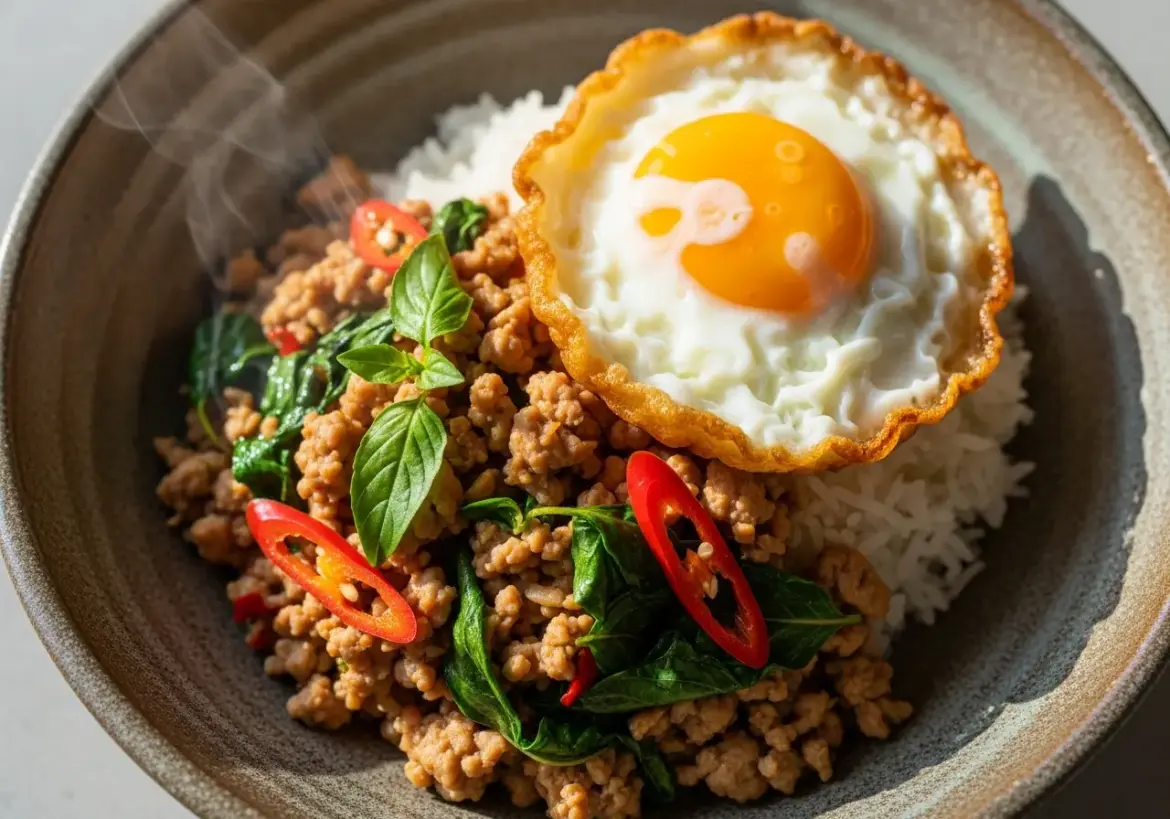
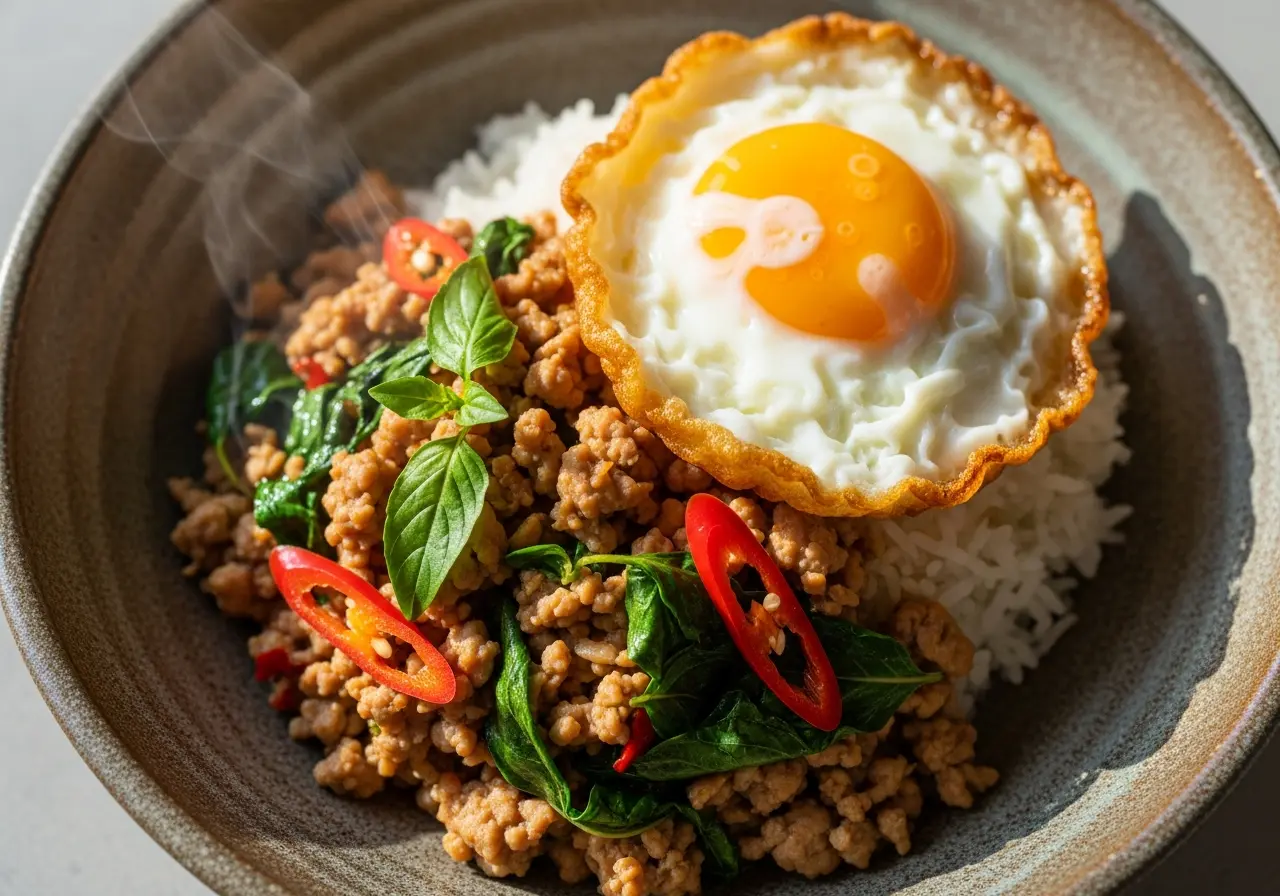
Thai Basil Chicken (Pad Krapow Gai)
RecipesThai

Thai Basil Chicken (Pad Krapow Gai)

by D L May 25, 2026
written by D L

Watch how to make it

Pad krapow gai is the dish Thai people actually eat — fast, fiery, and built around the peppery hit of holy basil. Forget the sweet, saucy takeout version: the street-stall original is barely sauced, seared in a screaming-hot pan, and finished with a runny-yolk fried egg. This is our 15-minute weeknight version that still tastes like a Bangkok food cart.

Why this recipe works

  • Sear, don’t stew — cook the chicken over the highest heat so it browns and stays loose instead of stewing in liquid.
  • Holy basil is the soul — its clove-pepper aroma is what makes it pad krapow; Thai sweet basil is a fallback, not a substitute.
  • Finish fast — fold the basil in off the heat so it wilts but keeps its punch.

Key ingredients

Minced chicken (thigh beats breast for juiciness), holy basil, garlic, Thai bird’s eye chilies, oyster sauce, light and dark soy, a pinch of sugar, and fish sauce for the savory backbone. Full amounts in the recipe card below.

Tips from our kitchen

  • Pound the garlic and chili in a mortar — it releases far more aroma than mincing.
  • Get the pan ripping hot and don’t crowd it, or the chicken will release water and steam.
  • Fry the egg in plenty of oil so the edges go lacy and crisp — that texture is half the dish.

Frequently asked questions

What’s the difference between holy basil and Thai basil?

Holy basil (krapow) is peppery and clove-like; Thai sweet basil (horapha) is aniseed-sweet. Using sweet basil makes a tasty stir-fry, but technically a different dish. Use holy basil if you can find it.

Can I use chicken breast?

Yes, but mince or finely chop thigh meat for a juicier result. If using breast, don’t overcook it.

How spicy should it be?

Authentically quite spicy. Start with 2–4 bird’s eye chilies and adjust — the garlic and basil balance the heat.
Thai Basil Chicken (Pad Krapow Gai)

Thai Basil Chicken (Pad Krapow Gai)

Print Recipe Pin Recipe
Prep Time 10 minutes mins
Cook Time 10 minutes mins
Total Time 20 minutes mins
Servings: 2 servings
Course: Main Course
Cuisine: Thai
Ingredients Method Notes

Ingredients
  

  • 300 g minced chicken preferably thigh
  • 4 cloves garlic
  • 3 Thai bird’s eye chilies
  • 2 tbsp neutral oil
  • 1 tbsp oyster sauce
  • 1 tbsp light soy sauce
  • 1 tsp dark soy sauce
  • 1 tsp fish sauce
  • 1 tsp sugar
  • 1 cup holy basil leaves
  • 2 eggs for frying
  • 2 cups jasmine rice cooked, to serve

Method
 

  1. Pound the garlic and chilies into a rough paste in a mortar (or finely chop).
  2. Mix the oyster sauce, both soy sauces, fish sauce and sugar in a small bowl.
  3. Heat 1 tbsp oil in a wok over the highest heat. Fry the garlic-chili paste for 10 seconds until fragrant.
  4. Add the chicken and sear hard, breaking it up, until browned and no longer releasing water.
  5. Pour in the sauce and toss for 30 seconds, then kill the heat and fold through the holy basil.
  6. In a separate pan, fry the eggs in the remaining oil until the edges are crisp and the yolk still runs.
  7. Serve the chicken over jasmine rice with a fried egg on top.

Notes

No holy basil? Thai sweet basil works in a pinch. For a milder version, deseed the chilies.

Variations & substitutions

Pad Krapow Gai is wonderfully versatile, allowing you to tailor it to your pantry or preferences. While the core flavor profile is distinct, these swaps maintain the spirit of the dish.
  • Protein Swaps:
    • Pork (Pad Krapow Moo): Ground pork is a classic alternative, offering a slightly richer flavor.
    • Beef (Pad Krapow Nua): Thinly sliced sirloin or ground beef works beautifully.
    • Seafood: Shrimp or squid can be used, but cook them very quickly to avoid rubberiness. Add them towards the end.
    • Vegetarian/Vegan: Extra-firm tofu (pressed and crumbled or cubed), tempeh, or a mix of mushrooms (shiitake, oyster) are excellent plant-based options. Ensure you use vegetarian oyster sauce and omit fish sauce (replacing it with an equal amount of soy sauce or mushroom seasoning sauce).
  • Basil Types:
    • Holy Basil (Krapow): This is the authentic choice, offering a peppery, clove-like, slightly spicy aroma. If you can find it at an Asian market, it’s highly recommended.
    • Thai Basil (Horapha): The most common substitute in the US, easily found in many supermarkets. It has a distinct anise or licorice-like flavor profile.
    • Italian Basil: While not traditional, in a pinch, regular sweet basil can provide a fresh herbaceous note, though it lacks the characteristic Thai flavor.
  • Heat Level:
    • More Heat: Add more fresh Thai bird’s eye chilies, or include a dash of dried chili flakes with the garlic.
    • Less Heat: Reduce the number of Thai chilies or remove the seeds for a milder kick. Bell peppers can be added for bulk without heat.
  • Vegetable Additions:
    • While traditionally minimal, you can add finely diced green beans, bell peppers, or baby corn for extra texture and nutrition. Add these with the chicken to ensure they cook through without overcooking the main ingredients.
  • Sauce Adjustments:
    • Gluten-Free: Use tamari or gluten-free soy sauce.
    • Less Salty: Reduce the amount of fish sauce and soy sauce, or opt for low-sodium versions.

What to serve with it

Pad Krapow Gai is a complete meal in itself, vibrant and packed with flavor. The best accompaniments are simple, designed to complement its intensity rather than compete with it. They provide a cooling contrast, absorb the rich sauce, or add a textural element that enhances the overall experience.
  • Steamed Jasmine Rice: Absolutely essential. Its fragrant, fluffy texture is perfect for soaking up the spicy, savory sauce. Serve a generous scoop alongside.
  • Fried Egg (Kai Dao): A classic pairing. A sunny-side-up or over-easy egg with a crispy edge and a runny yolk adds a rich, creamy element that beautifully mellows the spice when mixed into the rice and chicken.
  • Cucumber Slices: Simple, refreshing slices of cool cucumber offer a crisp, hydrating counterpoint to the heat and richness of the stir-fry.
  • Fresh Lime Wedges: A squeeze of fresh lime juice just before eating can brighten the flavors and add a zesty finish.
  • Clear Broth Soup: A simple, light clear chicken or vegetable broth, perhaps with a sprinkle of cilantro, can be a soothing palate cleanser between bites.

Make ahead, storage & reheating

While Pad Krapow Gai is best enjoyed fresh off the wok, you can certainly prepare components ahead of time or store leftovers effectively.
  • Make Ahead (Prep):
    • Sauce: Whisk together all sauce ingredients (fish sauce, soy sauce, oyster sauce, sugar) up to 2 days in advance and store in an airtight container in the refrigerator.
    • Aromatics: Mince your garlic and chilies up to 1 day ahead and store in separate airtight containers in the fridge.
    • Chicken: Ground chicken can be prepped, or chicken breasts/thighs can be minced up to 1 day ahead and kept refrigerated.
  • Storage (Cooked):
    • Once cooked, allow the Pad Krapow Gai to cool completely (within 1 hour) before transferring it to an airtight container.
    • Store in the refrigerator for up to 3-4 days.
    • If serving with rice, it’s best to store the chicken mixture and rice separately to prevent the rice from becoming overly soft or mushy.
  • Reheating:
    • Stovetop (Recommended): For best results, heat a wok or large skillet over medium-high heat with a tiny splash of neutral oil. Add the cold Pad Krapow Gai and a tablespoon or two of water or chicken broth. Stir-fry constantly for 3-5 minutes, breaking up any clumps, until heated through and sizzling. This method helps revive the texture.
    • Microwave: Place a single serving in a microwave-safe dish. Cover loosely with a lid or damp paper towel to retain moisture. Heat on medium power for 1-2 minutes, stirring halfway through, until hot. Be careful not to overcook, as this can make the chicken dry.

Common mistakes to avoid

Even seasoned cooks can stumble with Pad Krapow Gai if certain fundamental stir-fry principles aren’t followed. Avoiding these common pitfalls will ensure a truly excellent dish.
  • Not Enough Heat (or Too Many Chilies): Pad Krapow is meant to be spicy! Don’t be shy with the Thai bird’s eye chilies if you enjoy heat. A common mistake is using too few, resulting in a dish that lacks its signature fiery kick. Adjust to your preference, but don’t eliminate entirely.
  • Overcrowding the Pan: This is a cardinal sin of stir-frying. If you add too much chicken or vegetables at once, the pan’s temperature drops, and ingredients will steam rather than sear. This leads to watery, bland results instead of beautifully caramelized textures. Cook in batches if necessary, ensuring your wok or skillet is screaming hot before adding anything.
  • Using the Wrong Basil: While Thai basil (horapha) is a common and acceptable substitute in the US, using regular Italian sweet basil fundamentally changes the flavor profile. For true authenticity, seek out holy basil (krapow), which has a distinct peppery, clove-like aroma. If only Italian basil is available, it will still be tasty, but not a true Pad Krapow.
  • Overcooking the Chicken: Ground chicken cooks very quickly. Overcooking will result in dry, tough, and crumbly meat. Stir-fry just until the chicken is no longer pink, then add the sauce and finish quickly.
  • Adding Basil Too Early: Basil is delicate and its flavor diminishes with prolonged cooking. Add the basil leaves right at the very end, after the sauce has thickened and the chicken is cooked. Stir just until the leaves wilt, about 15-30 seconds, then immediately remove from heat. This preserves their vibrant color and fresh, aromatic punch.
More questions

What is the difference between Holy Basil and Thai Basil?

The terms “Thai basil” can be a bit confusing as it often refers to different varieties. For Pad Krapow, the authentic choice is Holy Basil (Ocimum tenuiflorum, known as “Krapow” in Thai). It has slightly fuzzy, serrated leaves and a distinct peppery, clove-like, and sometimes subtly spicy flavor profile. The more common “Thai Basil” found in many Western supermarkets (Ocimum basilicum var. thyrsiflora, known as “Horapha” in Thai) has smoother, glossier leaves, purple stems, and a pronounced anise or licorice-like aroma. While Horapha makes a delicious Pad Krapow, the true, traditional flavor comes from Krapow.

Can I make this vegetarian or vegan?

Absolutely! Pad Krapow is highly adaptable for plant-based diets. To make it vegetarian, substitute the ground chicken with extra-firm tofu (pressed and crumbled or cubed), tempeh, or a mix of hearty mushrooms like shiitake or oyster mushrooms. For a vegan version, in addition to the protein swap, ensure you use a vegetarian oyster sauce (often made with mushrooms) and omit the fish sauce entirely. You can replace the fish sauce with an equal amount of soy sauce or a dash of mushroom-based seasoning sauce for added umami.

Why is my Pad Krapow Gai watery?

A watery Pad Krapow is a common issue and usually stems from one key problem: insufficient heat or overcrowding the pan. When too many ingredients are added to a pan that isn’t hot enough, they release their moisture and essentially steam rather than sear and caramelize. This lowers the pan’s temperature further, preventing the sauce from reducing and thickening properly. To avoid this, ensure your wok or skillet is screaming hot before adding any ingredients, and cook the chicken (and any added vegetables) in batches if necessary, giving them space to brown. Also, be mindful not to add too much extra liquid beyond the specified sauce ingredients.
May 25, 2026 0 comments
0 FacebookTwitterPinterestEmail
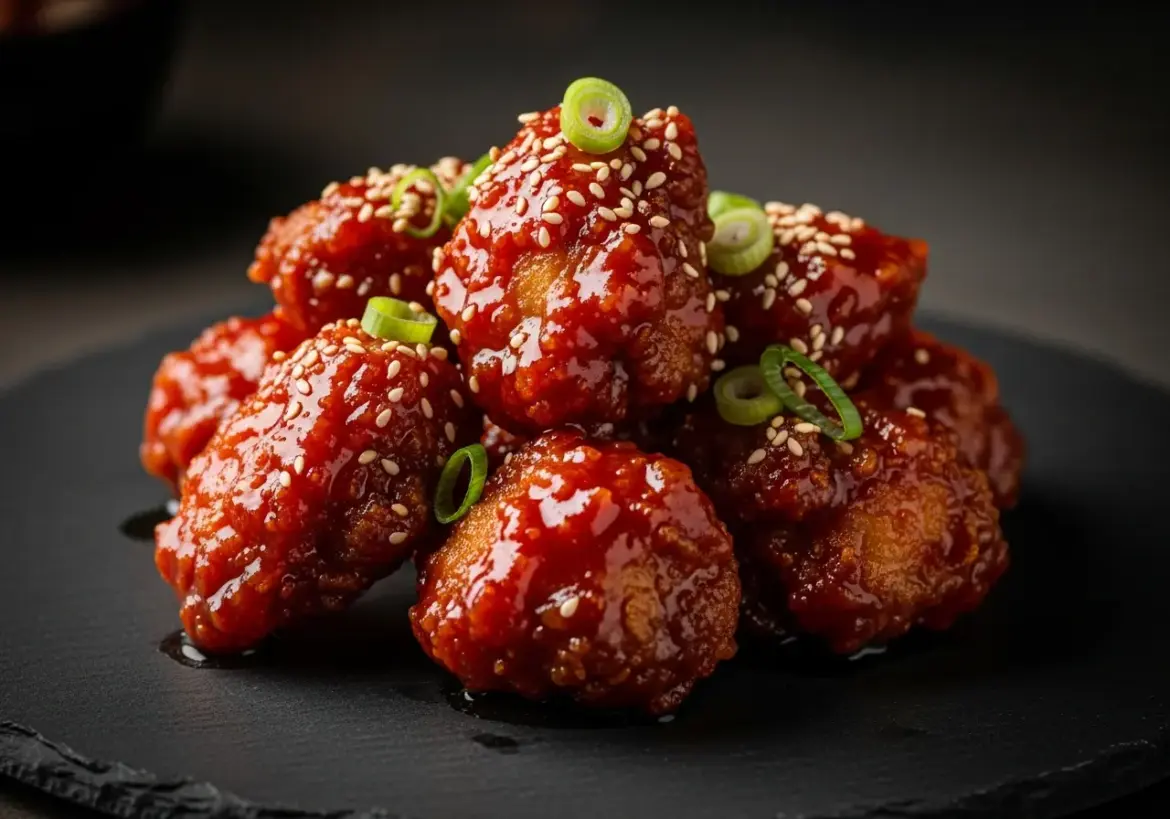
Korean Fried Chicken (Dakgangjeong)
KoreanRecipes

Korean Fried Chicken (Dakgangjeong)

by D L May 25, 2026
written by D L

Watch how to make it

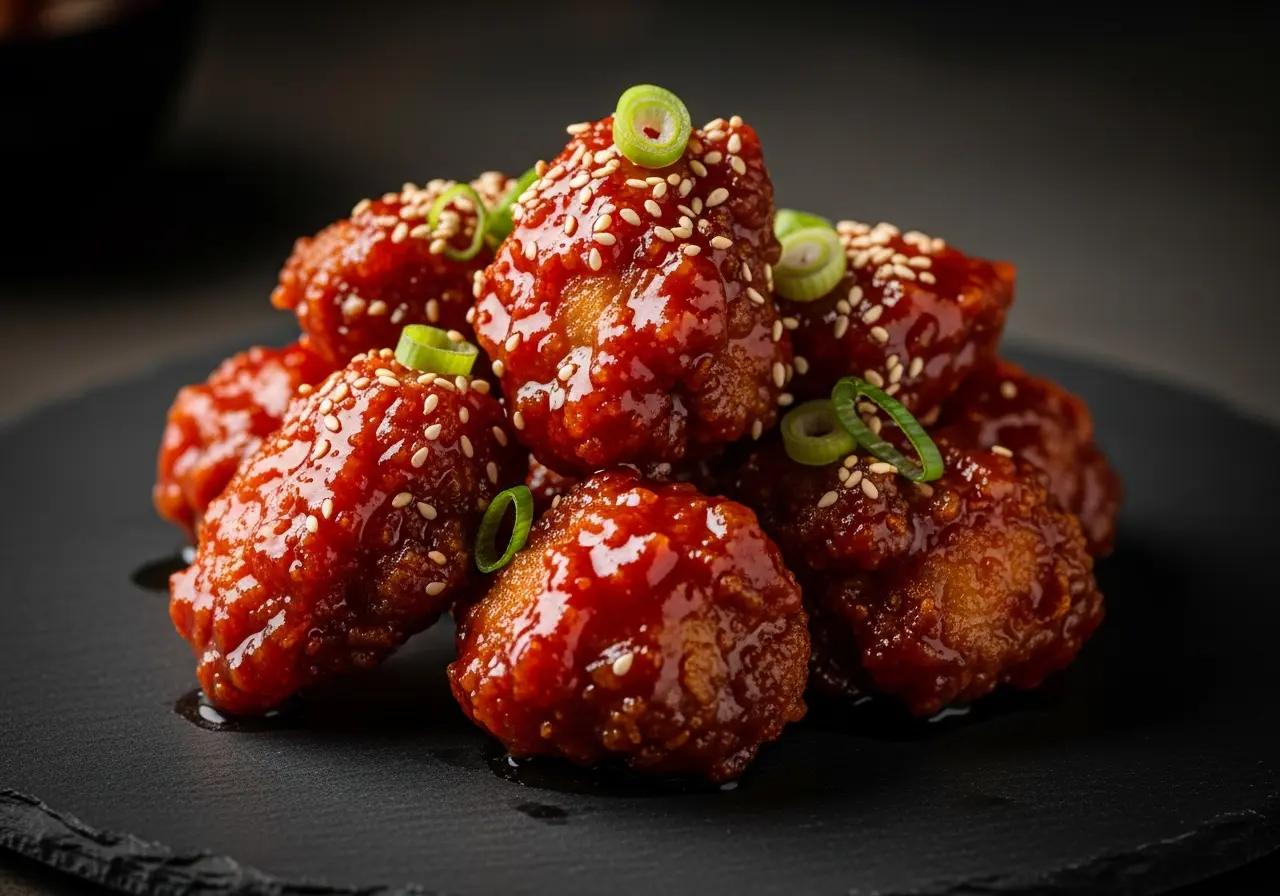
Korean fried chicken is famous for one thing: a crust that stays crackly even under a wet, sticky glaze. The secret is double-frying — once to cook, once to crisp — and a thin starch coating instead of heavy batter. Tossed in a gochujang-honey-garlic sauce, it’s the kind of chicken people fight over.

Why this recipe works

  • Double-fry — the first fry cooks the chicken, the second (hotter) fry drives off moisture for a glassy crunch.
  • Potato or corn starch, not flour — starch fries lighter and crisper and resists going soggy.
  • Glaze off the heat — toss the chicken in warm (not boiling) sauce so the crust survives.

Key ingredients

Chicken wings or boneless thigh, potato starch, and a glaze built on gochujang, honey, soy sauce, garlic and rice vinegar. Full amounts in the recipe card below.

Tips from our kitchen

  • Dry the chicken thoroughly before coating — surface moisture is the enemy of crunch.
  • Keep the oil at 160°C for the first fry, then 190°C for the second.
  • Make the sauce while the chicken rests between fries so everything comes together hot.

Frequently asked questions

Why double-fry?

The first fry at a lower temperature cooks the meat through; the second at a higher temperature blisters and dehydrates the crust so it stays crunchy under the glaze.

Can I bake or air-fry instead?

You can air-fry for a lighter version, but you won’t get the same glassy crust. Toss air-fried pieces in the glaze just before serving.

How do I keep it crispy?

Glaze only what you’ll eat immediately, and toss in warm rather than simmering sauce.

Korean Fried Chicken (Dakgangjeong)

Korean Fried Chicken (Dakgangjeong)

Print Recipe Pin Recipe
Prep Time 20 minutes mins
Cook Time 20 minutes mins
Total Time 40 minutes mins
Servings: 4 servings
Course: Main Course
Cuisine: Korean
Ingredients Method Notes

Ingredients
  

  • 700 g chicken wings or boneless thigh
  • 1/2 cup potato starch
  • 1 tsp salt
  • 1/2 tsp black pepper
  • neutral oil for frying
  • 3 tbsp gochujang
  • 3 tbsp honey
  • 2 tbsp soy sauce
  • 2 tbsp rice vinegar
  • 4 cloves garlic minced
  • 1 tbsp sesame seeds
  • 2 scallions sliced

Method
 

  1. Pat the chicken very dry, season with salt and pepper, then toss in potato starch to coat.
  2. Heat oil to 160°C and fry the chicken in batches for 7–8 minutes; remove and rest 5 minutes.
  3. Meanwhile, simmer the gochujang, honey, soy sauce, vinegar and garlic until glossy; keep warm.
  4. Raise the oil to 190°C and fry the chicken a second time for 3–4 minutes until deep golden and crisp.
  5. Toss the hot chicken in the warm glaze, then finish with sesame seeds and scallions.

Notes

For extra crunch, let the starch-coated chicken sit 10 minutes before the first fry.

Variations & substitutions

  • Chicken Cut: While boneless, skinless thighs are our top recommendation for their tenderness and moisture, you can certainly use boneless breast for a leaner option. Just be mindful to reduce frying time slightly to prevent drying out. Chicken wings (drumettes and flats) also work beautifully, offering a more traditional fried chicken experience, though they require a bit more sauce per piece due to bone-in structure.
  • Spice Level: Adjust the amount of gochugaru (Korean chili flakes) to your preference. For a milder version, reduce it by half. For a fiery kick, add an extra teaspoon or two. You can also incorporate a small amount (1/2 teaspoon) of gochujang (Korean chili paste) into the sauce for a deeper, fermented chili flavor, but be aware it will thicken the sauce slightly.
  • Sweetness: Our recipe balances sweetness perfectly, but if you prefer it less sweet, reduce the corn syrup or sugar by 1-2 tablespoons. Conversely, for a sweeter glaze, add another tablespoon of corn syrup. Honey can be a substitute for corn syrup, but it will yield a slightly different flavor profile.
  • Gluten-Free: To make this recipe gluten-free, substitute the all-purpose flour in the coating with an equal amount of rice flour or a gluten-free all-purpose blend. Ensure your soy sauce is replaced with tamari or a certified gluten-free soy sauce.
  • Vegetarian/Vegan: This technique works wonderfully with firm tofu or king oyster mushrooms. For tofu, press it thoroughly to remove excess water, then cut into bite-sized pieces and proceed with the dredging and frying steps. For king oyster mushrooms, slice them into rounds or planks. Adjust frying times accordingly until golden and crisp.

What to serve with it

Dakgangjeong is a star dish, but in Korean cuisine, balance is key. It’s often enjoyed as part of a larger meal, alongside various banchan (side dishes) that offer contrasting textures and flavors, cutting through the richness of the fried chicken. A simple bowl of steamed rice is almost always present to soak up any extra sauce and provide a neutral base. For a truly authentic experience, pair it with these traditional accompaniments:
  • Steamed White Rice: An absolute essential. Its mild flavor and soft texture perfectly complement the crispy, saucy chicken.
  • Kimchi: Whether it’s classic napa cabbage kimchi or kkakdugi (diced radish kimchi), its spicy, sour, and fermented notes are a fantastic counterpoint to the sweet and savory chicken.
  • Pickled Radish (Danmuji): The bright yellow, thinly sliced pickled daikon radish offers a refreshing crunch and tangy sweetness that cleanses the palate.
  • Simple Green Salad: A light, fresh salad with a clear, tangy dressing (like a soy-ginger vinaigrette) provides a welcome textural and flavor contrast.
  • Korean Beer (Maekju) or Soju: For adults, a cold bottle of Hite or Cass beer, or a shot of chilled soju, is the classic beverage pairing with Korean fried chicken.

Make ahead, storage & reheating

Dakgangjeong is undeniably best enjoyed fresh, straight from the wok, when the chicken is at its crispiest and the sauce is perfectly glazed. However, some components can be prepared in advance, and leftovers can be stored and reheated with specific methods to minimize texture loss.
  • Make Ahead: The sauce can be made up to 3 days in advance and stored in an airtight container in the refrigerator. Gently reheat it over low heat, stirring frequently, before tossing with freshly fried chicken. The chicken itself should ideally be fried just before serving for optimal crispness.
  • Storage (Cooked Chicken): Store any leftover Dakgangjeong in an airtight container in the refrigerator for up to 2-3 days. While the chicken will lose some of its initial crispness, the flavor remains delicious. Freezing is generally not recommended for fried chicken as it significantly degrades the texture upon thawing and reheating.
  • Reheating: To restore as much crispness as possible, avoid the microwave. The best methods are:
    • Air Fryer: Preheat to 350°F (175°C). Arrange chicken in a single layer and air fry for 5-8 minutes, or until heated through and crisp.
    • Oven: Preheat oven to 375°F (190°C). Spread chicken on a baking sheet lined with parchment paper. Bake for 10-15 minutes, flipping halfway, until hot and somewhat crispy.

Common mistakes to avoid

  • Overcrowding the Fryer: This is a cardinal sin of frying. Adding too much chicken at once drastically drops the oil temperature, leading to greasy, soggy chicken that doesn’t crisp up properly. Fry in small batches, ensuring there’s plenty of space around each piece.
  • Skipping the Double Fry: The signature ultra-crisp texture of Dakgangjeong comes from frying the chicken twice. The first fry cooks the chicken through, and the second fry, at a higher temperature, crisps up the coating and expels any remaining moisture. Don’t skip this crucial step!
  • Not Drying the Chicken Thoroughly: Any excess moisture on the chicken before dredging will cause the coating to become gummy, prevent it from adhering properly, and can lead to dangerous oil splattering. Pat the chicken pieces bone-dry with paper towels before seasoning and dredging.
  • Using the Wrong Starch: While all-purpose flour can work, using a combination of all-purpose flour and potato starch (or cornstarch) is key for the distinctively light, airy, and incredibly crispy crust. Potato starch, in particular, contributes to that unique Korean fried chicken texture.
  • Tossing with Cold Sauce: For the best adherence and a beautiful glaze, the sauce should be warm when you toss the freshly fried chicken in it. A cold sauce will clump and won’t coat the chicken as evenly or effectively, potentially making the chicken less crispy faster.

More questions

Can I make Dakgangjeong without deep-frying?

While deep-frying yields the most authentic and superior result in terms of crispness and texture, you can achieve a respectable version using an air fryer or oven. For an air fryer, toss the dredged chicken with 1-2 tablespoons of oil, then air fry at 375°F (190°C) for 18-25 minutes, flipping halfway, until golden and cooked through. For oven baking, toss with oil and bake at 400°F (200°C) for 25-35 minutes, flipping once. In both cases, you’ll still want to do a ‘double-fry’ equivalent by increasing the temperature for the last 5-7 minutes to enhance crispness before tossing in the warm sauce.

What’s the difference between Dakgangjeong and Yangnyeom Chicken?

Both are popular Korean fried chicken dishes with a sauce coating, but they have distinct characteristics. Dakgangjeong typically features smaller, often boneless pieces of chicken with an extra-crispy, almost candy-like crust, coated in a thinner, often sweeter and tangier glaze that hardens slightly. Yangnyeom Chicken, on the other hand, usually uses larger, sometimes bone-in pieces, and is known for its thicker, richer, and often spicier sauce that’s more savory and complex, sometimes including gochujang and various aromatics, and often garnished with peanuts.

How do I get the sauce to stick perfectly to the chicken?

The key to a perfectly coated Dakgangjeong is timing and temperature. First, ensure your chicken is fried to maximum crispness and drained very well of excess oil immediately after its second fry. Second, make sure your sauce is warm when you’re ready to toss. The residual heat from the freshly fried chicken, combined with the warmth of the sauce, helps the glaze adhere beautifully and caramelize slightly, creating that irresistible sticky-crisp exterior. Toss quickly and evenly in a large bowl or wok to coat every piece.

May 25, 2026 0 comments
0 FacebookTwitterPinterestEmail
Japanese Chicken Katsu
JapaneseRecipes

Japanese Chicken Katsu

by D L May 25, 2026
written by D L

Watch how to make it

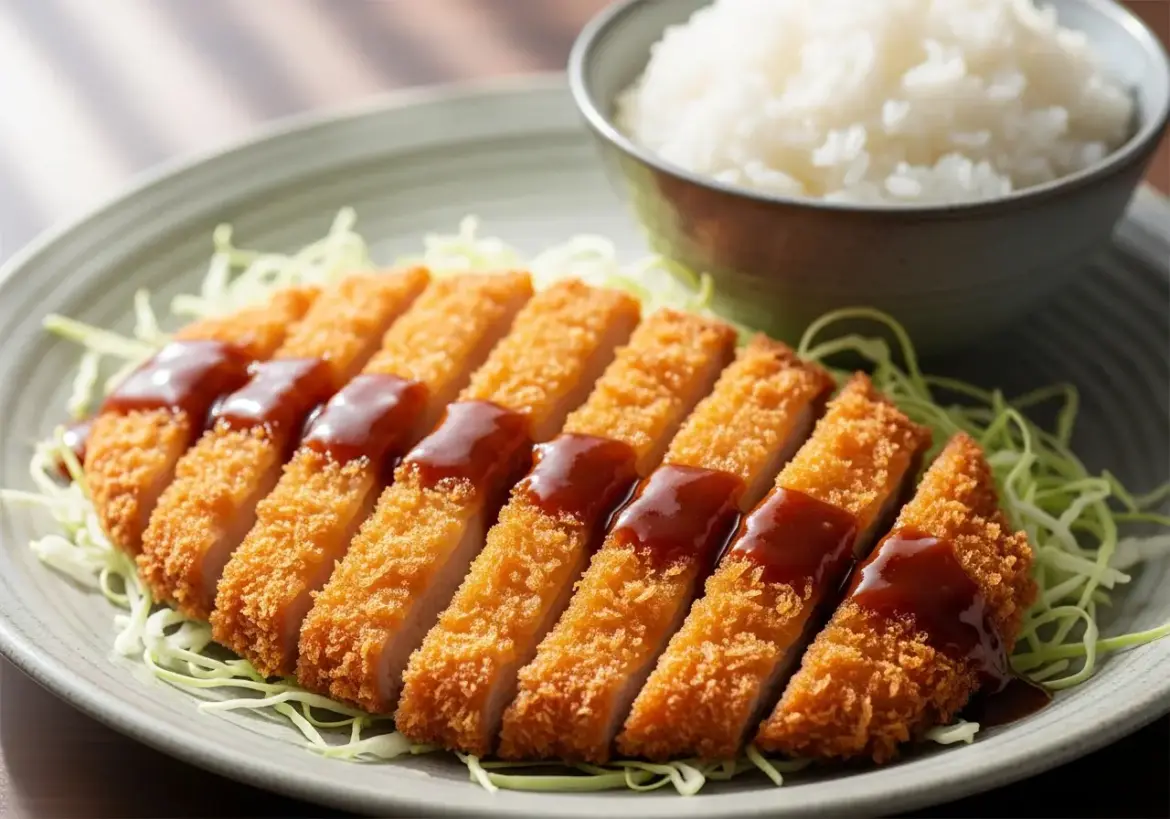
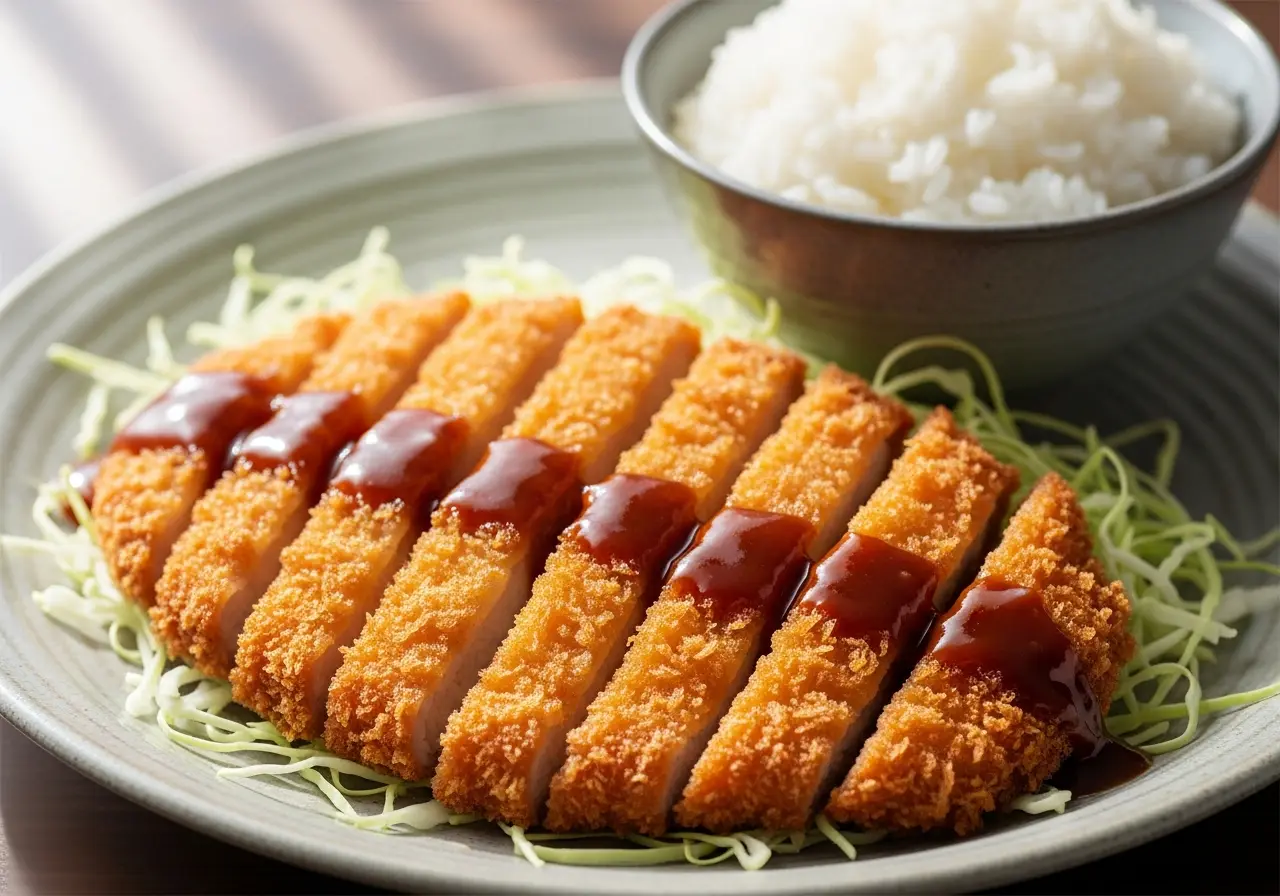
Chicken katsu is the everyday Japanese comfort food that turns a plain chicken breast into something special: pounded thin, coated in airy panko, and shallow-fried until impossibly crisp. Sliced over rice with shredded cabbage and a drizzle of tonkatsu sauce, it’s a 25-minute dinner that never disappoints.

Why this recipe works

  • Pound it even — a uniform thickness means the cutlet cooks through before the crust burns.
  • Panko, not breadcrumbs — the coarse Japanese crumbs fry up lighter and crunchier.
  • Three-stage breading — flour, egg, panko — locks the crust on so it doesn’t slide off.

Key ingredients

Chicken breast, flour, egg, panko breadcrumbs, and tonkatsu sauce (a sweet-savory Worcestershire-style sauce thickened with fruit). Full amounts in the recipe card below.

Tips from our kitchen

  • Press the panko on firmly so it adheres in a thick, even layer.
  • Keep the oil at 170–180°C; too cool and the crust soaks up oil, too hot and it browns before cooking through.
  • Rest the cutlet on a rack, not paper towel, so the bottom stays crisp.

Frequently asked questions

What is tonkatsu sauce?

A thick, sweet-and-tangy Japanese sauce similar to a fruity Worcestershire or HP sauce. You can buy it (Bull-Dog brand is classic) or mix ketchup, Worcestershire, soy and a little sugar.

Can I use chicken thigh?

Yes — boneless thigh stays juicier. Pound it to an even thickness and fry a minute longer.

How do I make katsu curry?

Serve the sliced katsu over rice and ladle Japanese curry sauce alongside — it’s the same cutlet, different finish.

Japanese Chicken Katsu

Japanese Chicken Katsu

Print Recipe Pin Recipe
Prep Time 15 minutes mins
Cook Time 10 minutes mins
Total Time 25 minutes mins
Servings: 2 servings
Course: Main Course
Cuisine: Japanese
Ingredients Method Notes

Ingredients
  

  • 2 chicken breasts
  • 1/2 cup flour
  • 2 eggs beaten
  • 1.5 cups panko breadcrumbs
  • 1 tsp salt
  • 1/2 tsp white pepper
  • neutral oil for shallow frying
  • 4 tbsp tonkatsu sauce
  • 2 cups steamed rice to serve
  • 2 cups shredded cabbage to serve

Method
 

  1. Butterfly each chicken breast and pound to an even 1.5 cm thickness; season with salt and pepper.
  2. Set up three bowls: flour, beaten egg, panko. Coat each cutlet in flour, then egg, then press firmly into panko.
  3. Heat 1 cm of oil to 175°C in a wide pan.
  4. Fry the cutlets 3–4 minutes per side until deep golden and cooked through.
  5. Rest on a wire rack for 2 minutes, then slice into strips.
  6. Serve over rice with shredded cabbage and tonkatsu sauce.

Notes

No tonkatsu sauce? Mix 3 tbsp ketchup, 1 tbsp Worcestershire, 1 tsp soy sauce and 1 tsp sugar.

Variations & substitutions

  • Chicken Cut: While chicken breast is traditional, boneless, skinless chicken thighs can be used for a juicier, richer result. Pound them to an even thickness of about 1/2 inch.
  • Gluten-Free: For a gluten-free katsu, use gluten-free panko breadcrumbs and a gluten-free all-purpose flour blend for dredging. The rest of the process remains the same.
  • Seasoning Boost: Enhance the flavor by adding a pinch of garlic powder and/or white pepper to your flour dredge. A dash of grated fresh ginger in the egg wash can also add a subtle aromatic note.
  • Frying Oil: Canola, vegetable, or grapeseed oil are excellent neutral-flavored oils for deep frying. Avoid olive oil due to its lower smoke point and distinct flavor.
  • Sauce Alternatives: While Tonkatsu sauce is classic, consider serving with a bright ponzu sauce for a lighter, tangier profile, or alongside a Japanese curry for Chicken Katsu Curry.
  • Non-Chicken Katsu: This breading technique can be applied to other proteins! Try pork loin (Tonkatsu), firm white fish fillets (Fish Katsu), or even firm tofu slices (Tofu Katsu).

What to serve with it

A well-rounded Japanese meal is all about balance, and Chicken Katsu is no exception. Traditionally, it’s served as the star of a set meal (teishoku), accompanied by an array of complementary dishes that cut through its richness and offer textural contrast. Here are the essential pairings for an authentic experience:

  • Steamed Short-Grain Rice: Absolutely non-negotiable. The fluffy, slightly sticky rice provides a perfect neutral base and absorbs the sauce beautifully.
  • Finely Shredded Cabbage: A mound of crisp, raw shredded cabbage is crucial. Its freshness and slight bitterness cut through the richness of the fried chicken. A light dressing like yuzu vinaigrette or simply a squeeze of lemon is often served alongside.
  • Miso Soup: A warm, savory bowl of miso soup (often with tofu and wakame seaweed) provides umami depth and hydration, balancing the meal.
  • Tonkatsu Sauce: The quintessential sweet and tangy sauce made from fruits and vegetables. You can buy good quality bottled versions or make your own from scratch.
  • Japanese Pickles (Tsukemono): Small portions of pickled ginger (gari), daikon, or cucumber add a refreshing, tangy crunch that cleanses the palate.
  • Japanese Potato Salad: Creamy, slightly sweet, and often studded with cucumber and ham, this is a popular side dish that adds another layer of comfort.

Make ahead, storage & reheating

  • Make Ahead (Pre-Frying): You can pound the chicken and set up your dredging station up to an hour in advance. However, for the crispiest result, it’s best to dredge the chicken in panko just before frying. If you must dredge ahead, place the breaded cutlets on a wire rack over a baking sheet, cover loosely with plastic wrap, and refrigerate for no more than 2-3 hours to prevent the panko from becoming soggy.
  • Storage (Cooked Katsu): Once cooked and cooled, transfer the katsu to an airtight container. It will keep in the refrigerator for up to 3-4 days. For longer storage, wrap individual cooled cutlets tightly in plastic wrap, then aluminum foil, and place them in a freezer-safe bag. Freeze for up to 1 month.
  • Reheating (For Crispness): The key to reheating katsu is to restore its crisp exterior without drying out the chicken. Avoid the microwave, which will make it soggy.
    • Oven Method: Preheat your oven to 375°F (190°C). Place the katsu on a wire rack set over a baking sheet (this allows air circulation for crispness). Reheat for 15-20 minutes, flipping halfway, until heated through and crisp.
    • Air Fryer Method: Preheat your air fryer to 350°F (175°C). Place the katsu in a single layer in the basket. Cook for 8-10 minutes, flipping halfway, until golden and crisp.
    • From Frozen: Reheat frozen katsu directly in the oven or air fryer, adding about 10-15 minutes to the cooking time, ensuring it reaches an internal temperature of 165°F (74°C).

Common mistakes to avoid

  • Not Pounding Chicken Evenly: If your chicken breast isn’t pounded to a uniform 1/2-inch thickness, thinner parts will dry out while thicker sections remain undercooked. Use a meat mallet or rolling pin and pound between two sheets of plastic wrap.
  • Insufficient Oil Temperature: Frying in oil that’s too cool (below 325°F/160°C) results in greasy, soggy katsu because the breading absorbs too much oil before it can crisp up. Use a thermometer to maintain a steady temperature between 325-350°F (160-175°C).
  • Overcrowding the Pan: Adding too many cutlets at once drastically drops the oil temperature, leading to the same greasy, soggy problem. Fry in batches, leaving ample space between each piece, and allow the oil to recover its temperature between batches.
  • Not Seasoning at Each Stage: Bland katsu is a common pitfall. Season the chicken itself with salt and pepper before dredging, and add a pinch of salt to your flour and egg wash. This builds layers of flavor.
  • Cutting Immediately After Frying: Like any cooked meat, katsu needs to rest for 2-3 minutes after coming out of the oil. This allows the juices to redistribute throughout the chicken, resulting in a more tender and moist interior. Cutting too soon will cause the juices to run out, leaving the chicken dry.
  • Using Regular Breadcrumbs: While you can, regular breadcrumbs will not yield the same light, airy, and super-crispy texture as Japanese panko. Panko’s larger, flakier structure is key to authentic katsu.

More questions

Why is my Chicken Katsu soggy?

Soggy katsu is usually a result of one or more issues: 1) The oil temperature was too low, causing the breading to absorb oil rather than crisp up. 2) You overcrowded the pan, dropping the oil temperature significantly. 3) The katsu wasn’t drained properly on a wire rack after frying. 4) It was covered immediately after frying, trapping steam and making it soggy. Ensure proper oil temperature (325-350°F/160-175°C), fry in batches, and drain on a wire rack.

Can I bake or air fry Chicken Katsu instead of deep frying?

Yes, you can, but be aware the texture will not be identical to deep-fried katsu; it will be less rich and slightly different in crispness. For baking, preheat your oven to 400°F (200°C), spray the breaded cutlets generously with cooking oil, and bake for 20-25 minutes, flipping halfway, until golden brown and cooked through. For air frying, preheat to 375°F (190°C), spray with oil, and air fry for 12-15 minutes, flipping halfway, until crisp.

What’s the best chicken cut for katsu?

Boneless, skinless chicken breast is the most traditional choice for Chicken Katsu due to its lean texture and ease of pounding into a uniform shape. However, boneless, skinless chicken thighs are an excellent alternative if you prefer a juicier, more flavorful, and slightly richer katsu. Whichever you choose, ensure it’s pounded to an even 1/2-inch thickness for consistent cooking.

May 25, 2026 0 comments
0 FacebookTwitterPinterestEmail
Chinese Beef and Broccoli
ChineseRecipes

Chinese Beef and Broccoli

by D L May 25, 2026
written by D L

Watch how to make it

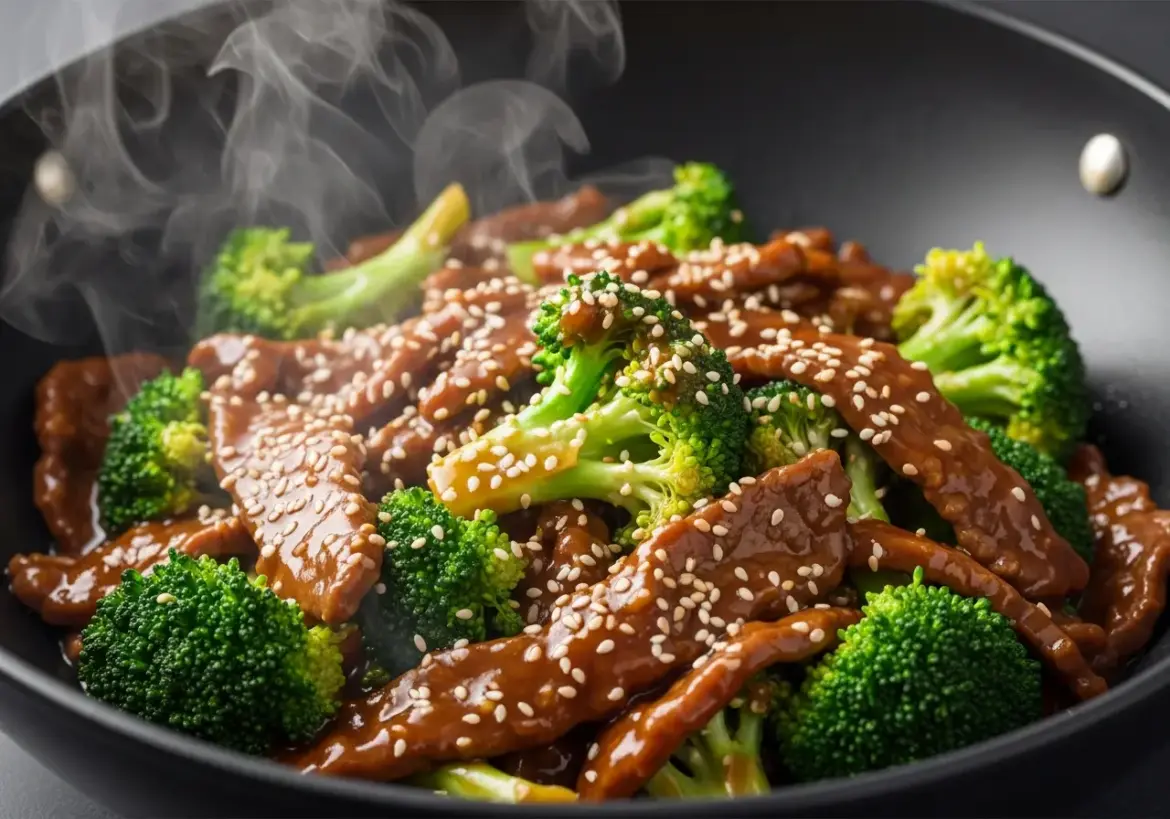
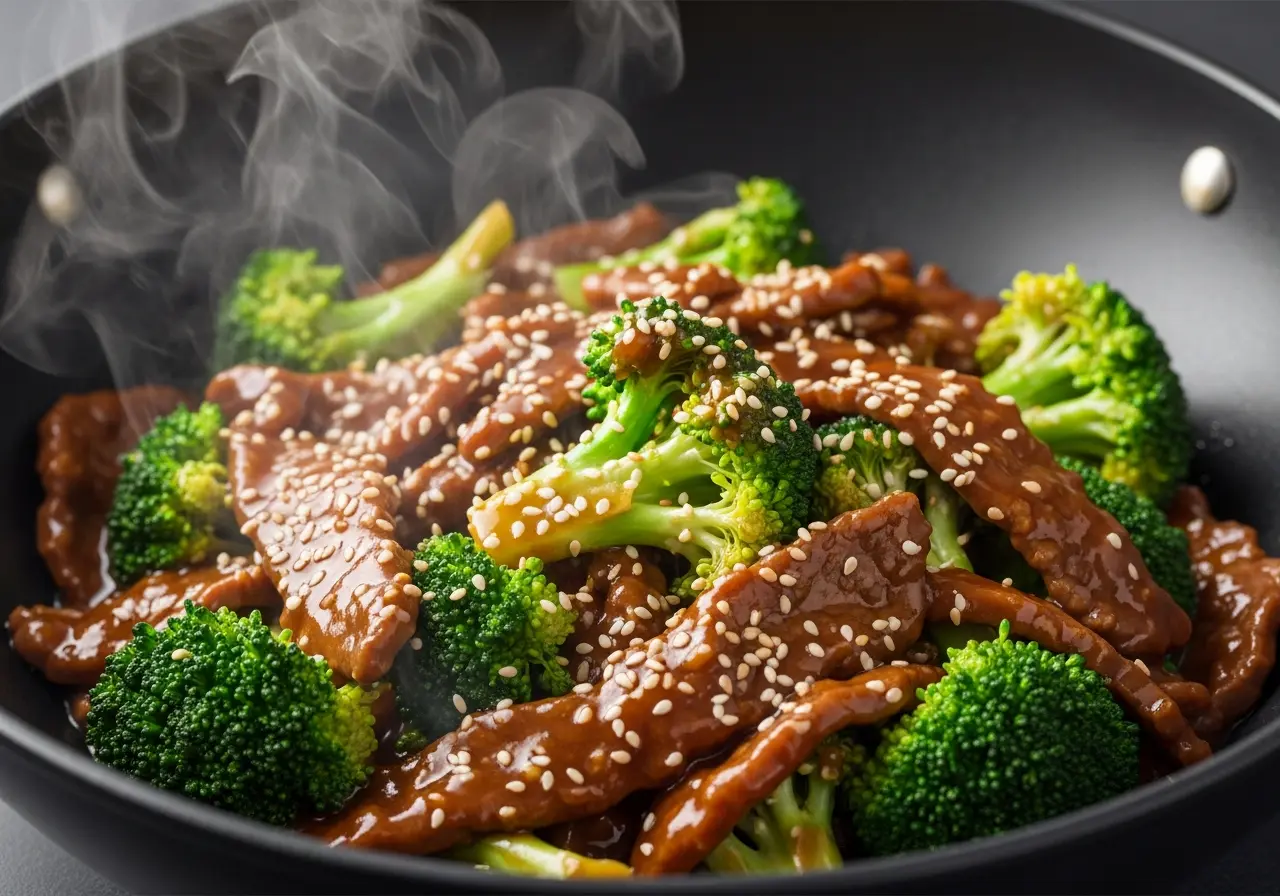
Beef and broccoli is the takeout order everyone knows, but the homemade version is in another league: silky, tender beef thanks to a quick velveting trick, broccoli that’s still bright and crisp, and a savory brown sauce that clings to every piece. It comes together in 30 minutes in a single wok.

Why this recipe works

  • Velvet the beef — a baking-soda and cornstarch marinade keeps the slices melt-in-the-mouth tender.
  • Blanch the broccoli — 60 seconds in boiling water sets the color and shortens the stir-fry.
  • Sauce that clings — a touch of cornstarch gives the classic glossy coat without gloopiness.

Key ingredients

Flank or sirloin steak, broccoli, garlic, ginger, and a sauce of light and dark soy, oyster sauce, and a little sugar. Full amounts in the recipe card below.

Tips from our kitchen

  • Slice the beef thinly against the grain for maximum tenderness.
  • A pinch of baking soda in the marinade is the restaurant secret to velvety beef — don’t skip it.
  • Get the wok smoking hot and cook in batches so the beef sears instead of steaming.

Frequently asked questions

What cut of beef is best?

Flank steak, sirloin, or skirt — all are flavorful and stay tender when sliced thin and velveted. Avoid stewing cuts.

What does velveting do?

The baking soda raises the meat’s pH and the cornstarch forms a protective coat, so the beef stays juicy and silky even over high heat.

Can I add other vegetables?

Yes — snap peas, carrots, or mushrooms all work. Add quick-cooking veg with the broccoli.

Chinese Beef and Broccoli

Chinese Beef and Broccoli

Print Recipe Pin Recipe
Prep Time 20 minutes mins
Cook Time 10 minutes mins
Total Time 30 minutes mins
Servings: 3 servings
Course: Main Course
Cuisine: Chinese
Ingredients Method Notes

Ingredients
  

  • 400 g flank steak thinly sliced
  • 1/2 tsp baking soda
  • 1 tbsp cornstarch plus 1 tsp for sauce
  • 1 tbsp light soy sauce for marinade
  • 400 g broccoli cut into florets
  • 3 cloves garlic minced
  • 1 tbsp ginger minced
  • 2 tbsp oyster sauce
  • 1 tbsp light soy sauce
  • 1 tsp dark soy sauce
  • 1 tsp sugar
  • 1/2 cup water
  • 2 tbsp neutral oil

Method
 

  1. Toss the sliced beef with baking soda, 1 tbsp cornstarch and 1 tbsp soy sauce; rest 20 minutes, then rinse and pat dry.
  2. Blanch the broccoli in boiling water for 60 seconds, then drain.
  3. Mix the oyster sauce, both soy sauces, sugar, 1 tsp cornstarch and water into a sauce.
  4. Sear the beef in a smoking-hot wok with 1 tbsp oil, in batches, until just browned; remove.
  5. Add the remaining oil, garlic and ginger; fry 15 seconds until fragrant.
  6. Return the beef, add the broccoli and the sauce; toss until glossy and thickened, about 1 minute.

Notes

Rinsing off the baking-soda marinade is important — it removes any soapy taste while keeping the tenderizing effect.

Variations & substitutions

  • Beef Cuts: While flank steak is traditional for its texture and ability to slice thinly against the grain, you can absolutely use other cuts. Sirloin steak, skirt steak (also sliced against the grain), or even beef tenderloin (for a more luxurious, melt-in-your-mouth experience) work beautifully. Adjust cooking times slightly as needed.
  • Vegetable Swaps: Broccoli is classic, but this sauce is versatile. Try adding or substituting with snap peas, thinly sliced carrots, bell peppers (red or yellow for sweetness), water chestnuts for crunch, or even sliced mushrooms. For a vibrant mix, blanch a few different vegetables together.
  • Sauce Enhancements: For a spicier kick, add 1-2 teaspoons of chili garlic sauce or a pinch of red pepper flakes to the sauce mixture. A teaspoon of hoisin sauce can add a deeper, sweeter umami note. For a different flavor profile, a tablespoon of fermented black bean sauce (mashed) can be incorporated.
  • Gluten-Free: Easily make this dish gluten-free by substituting regular soy sauce with tamari. Ensure any other ingredients, like oyster sauce, are certified gluten-free.
  • Low-Sodium: Opt for low-sodium soy sauce and adjust the amount of added salt to your preference. You can also reduce the amount of oyster sauce or choose a low-sodium version.

What to serve with it

Chinese Beef and Broccoli is a complete meal in itself, but it truly shines when paired with simple, complementary dishes that balance its rich, savory sauce and tender beef. The goal is to provide a neutral base or a fresh counterpoint to enhance the main event without overwhelming it. Think about textures and subtle flavors that round out the experience.
  • Steamed Jasmine Rice: The quintessential pairing. Its fragrant, fluffy grains are perfect for soaking up every drop of that delicious sauce.
  • Brown Rice: For a nuttier flavor and added fiber, brown rice is an excellent, wholesome alternative.
  • Simple Stir-fried Noodles: Think plain lo mein or thin egg noodles, perhaps tossed with a touch of sesame oil and soy sauce, offering a different textural experience.
  • Garlic Bok Choy: Lightly stir-fried or steamed bok choy with a hint of garlic and soy sauce provides a refreshing, crisp green element.
  • Egg Drop Soup: A light, comforting soup to start the meal, offering a delicate contrast to the main dish.
  • Spring Rolls or Egg Rolls: For a classic appetizer, these crispy delights add a satisfying crunch.

Make ahead, storage & reheating

This recipe is fantastic for meal prep, making weeknight dinners a breeze. Proper storage ensures you can enjoy the delicious flavors for days to come.
  • Make Ahead: You can prepare several components in advance. Slice and marinate the beef up to 24 hours ahead, storing it in an airtight container in the refrigerator. The broccoli can be cut and blanched (if desired) a day in advance. The sauce can also be whisked together and stored in the fridge for up to 3 days. This significantly cuts down on active cooking time.
  • Storage: Once cooked, allow the Beef and Broccoli to cool completely before transferring it to an airtight container. It will keep well in the refrigerator for 3-4 days. For longer storage, it can be frozen in a freezer-safe container for up to 2-3 months. Note that the broccoli’s texture may soften slightly upon thawing and reheating.
  • Reheating:
    • Stovetop (Recommended): For best results, reheat on the stovetop over medium heat. Add a splash (1-2 tablespoons) of water or chicken broth to help loosen the sauce and prevent sticking. Cover and cook, stirring occasionally, until heated through, about 5-7 minutes.
    • Microwave: Place a single serving in a microwave-safe dish, cover with a lid or damp paper towel, and heat on medium power for 1-2 minutes, stirring halfway through, until hot. Be careful not to overcook the beef, which can make it tough.

Common mistakes to avoid

  • Overcooking the Beef: This is the most common pitfall. Flank steak cooks quickly. High heat, quick searing (90 seconds per side for thin slices) is key to achieving tender, juicy beef. Overcooking will result in dry, tough meat. The velveting process helps tremendously, but don’t rely on it to save overcooked beef.
  • Undercooking or Overcooking the Broccoli: You want tender-crisp broccoli, not mushy or raw. Blanching or steaming the broccoli for 2-3 minutes before adding it to the stir-fry ensures it’s perfectly cooked through but still retains some bite and vibrant color. If adding raw, ensure it gets enough time in the wok to soften.
  • Crowding the Pan: When stir-frying, it’s crucial to cook in batches, especially the beef. If you add too much meat at once, the temperature of the wok drops, and the beef will steam rather than sear, leading to a grey, less flavorful result. Give your ingredients space to brown properly.
  • Insufficient Marination Time: The marinade does more than just flavor the beef; the cornstarch creates a protective coating, and baking soda tenderizes. Skimping on the 20-30 minute marination time means you’ll miss out on the signature tender texture and deep flavor.
  • Not Thickening the Sauce Properly: A runny sauce won’t cling to the beef and broccoli, and a clumpy sauce is unpleasant. Ensure your cornstarch slurry is well-mixed before adding it to the hot sauce, then stir constantly until it thickens to your desired consistency. If it’s too thick, add a splash of water or broth; if too thin, a bit more slurry.

More questions

How do I get my beef super tender, like at a restaurant?

A: The secret to restaurant-tender beef is a technique called ‘velveting.’ Before marinating, toss your thinly sliced beef with a small amount of baking soda (about 1/2 teaspoon per pound of beef) and let it sit for 15-20 minutes. Rinse the beef thoroughly under cold water to remove the baking soda, then pat dry before adding your standard marinade (soy sauce, cornstarch, oil). The baking soda tenderizes the meat fibers, and the cornstarch creates a protective coating that keeps the beef moist during high-heat cooking. Don’t skip rinsing, or your beef might taste soapy!

My sauce isn’t thickening. What went wrong?

A: The most common reasons for a sauce not thickening are either not enough cornstarch slurry or not heating the sauce sufficiently after adding the slurry. Cornstarch needs to reach a certain temperature to activate its thickening properties. Ensure your sauce is at a gentle simmer when you slowly pour in the well-mixed slurry, stirring constantly. If it’s still too thin after a minute of simmering, you can make a small additional slurry (1 tsp cornstarch + 1 tsp cold water) and add it incrementally until you reach your desired consistency. Make sure your slurry is made with *cold* water, as hot water will cause the cornstarch to clump.

Can I make this dish spicier?

A: Absolutely! There are several ways to add heat. You can incorporate 1-2 teaspoons of chili garlic sauce or Sriracha directly into your sauce mixture. For a more direct heat, stir in a pinch of red pepper flakes with your aromatics (garlic and ginger) or directly into the sauce. For fresh, vibrant heat, thinly slice a few bird’s eye chilies or serrano peppers and add them during the stir-frying process with the other vegetables, or as a garnish for those who prefer more fire.
May 25, 2026 0 comments
1 FacebookTwitterPinterestEmail
Vietnamese Fresh Spring Rolls (Goi Cuon)
RecipesVietnamese

Vietnamese Fresh Spring Rolls (Goi Cuon)

by D L May 25, 2026
written by D L

Watch how to make it

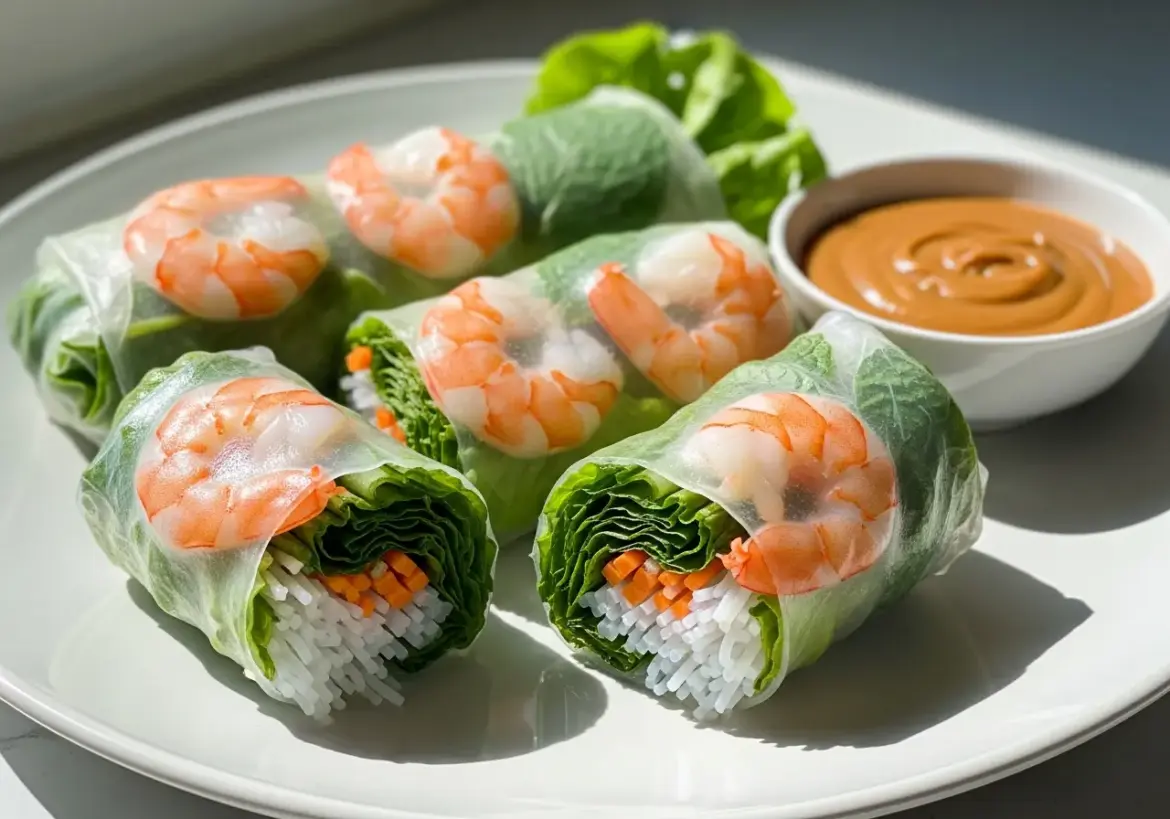
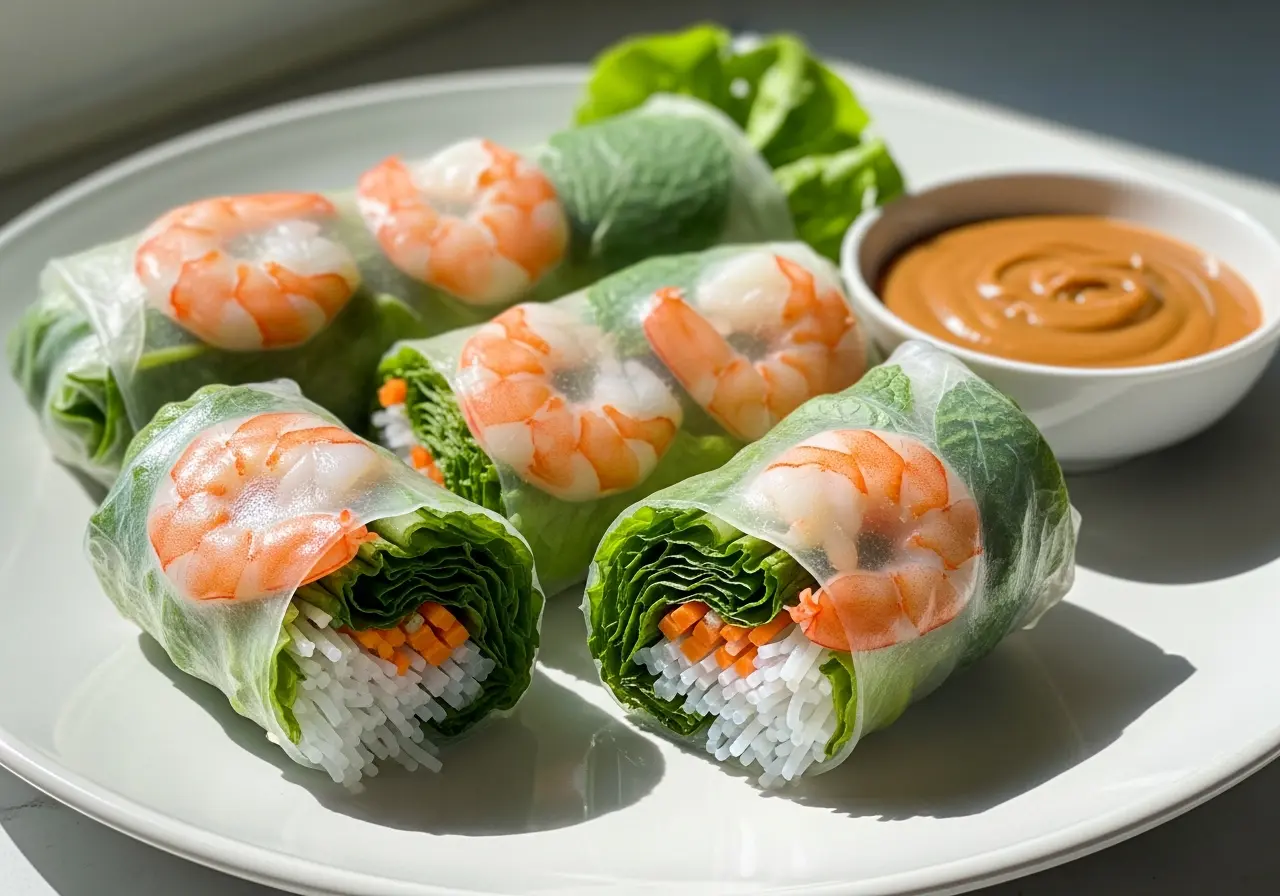
Goi cuon — Vietnamese fresh spring rolls — are everything fried rolls aren’t: cool, crunchy, herbaceous, and light. Translucent rice paper wraps poached shrimp, rice vermicelli, lettuce and a fistful of fresh herbs, all dunked in a rich peanut-hoisin sauce. They look impressive but are genuinely easy once you get the rolling rhythm.

Why this recipe works

  • Soak rice paper briefly — a 2-second dip; it keeps softening as you fill, so don’t oversoak or it tears.
  • Layer for looks — place shrimp pink-side down against the wrapper so they show through.
  • Herbs are not optional — mint, cilantro and Thai basil are what make it taste Vietnamese.

Key ingredients

Round rice paper wrappers, shrimp, rice vermicelli, lettuce, mint, cilantro, and a dipping sauce of hoisin, peanut butter and a splash of fish sauce. Full amounts in the recipe card below.

Tips from our kitchen

  • Work on a damp kitchen towel — it stops the wrappers sticking and tearing.
  • Don’t overfill; a slim roll is easier to wrap tightly and won’t split.
  • Cover finished rolls with a damp cloth so they don’t dry out before serving.

Frequently asked questions

Can I make them ahead?

Best eaten within a few hours. Store covered with a damp paper towel and plastic wrap in the fridge so the wrappers stay supple.

What protein can I use instead of shrimp?

Poached chicken, sliced pork belly, tofu, or just extra vegetables all work beautifully.

Why do my wrappers tear?

Usually from oversoaking. Dip for only 1–2 seconds — the paper continues to soften as you fill and roll.

Vietnamese Fresh Spring Rolls (Goi Cuon)

Vietnamese Fresh Spring Rolls (Goi Cuon)

Print Recipe Pin Recipe
Prep Time 30 minutes mins
Cook Time 5 minutes mins
Total Time 35 minutes mins
Servings: 4 servings
Course: Appetizer
Cuisine: Vietnamese
Ingredients Method Notes

Ingredients
  

  • 12 round rice paper wrappers
  • 300 g shrimp peeled and poached
  • 150 g rice vermicelli cooked
  • 1 head butter lettuce
  • 1 cup mint leaves
  • 1 cup cilantro
  • 3 tbsp hoisin sauce
  • 2 tbsp smooth peanut butter
  • 1 tsp fish sauce
  • 1 clove garlic minced
  • 2 tbsp warm water
  • 1 tbsp crushed peanuts to garnish

Method
 

  1. Halve the poached shrimp lengthwise. Cook and cool the vermicelli; prep the herbs and lettuce.
  2. Whisk the hoisin, peanut butter, fish sauce, garlic and warm water into a smooth dipping sauce; top with crushed peanuts.
  3. Dip one rice paper in warm water for 1–2 seconds and lay on a damp towel.
  4. Place shrimp halves pink-side down, then add lettuce, vermicelli and herbs in the lower third.
  5. Fold the bottom over the filling, fold in the sides, and roll up tightly.
  6. Repeat, keeping finished rolls under a damp cloth. Serve with the peanut sauce.

Notes

Poach shrimp in salted water for 2 minutes until just pink; overcooked shrimp turn rubbery.

Variations & Substitutions

  • Protein Power-Ups: While classic goi cuon features shrimp and pork, feel free to experiment. Thinly sliced grilled chicken or beef (marinated with lemongrass and garlic) works beautifully. For a vegetarian option, pan-fried or baked tofu (pressed and marinated in soy sauce, sesame oil, and a touch of sugar) is an excellent substitute, providing a satisfying chew.

  • Herbaceous Adventures: Don’t limit yourself to just mint and cilantro. Add perilla leaves (tía tô) for a distinctive peppery, minty flavor, or Vietnamese balm (kinh giới) for a lemony zest. A mix of several herbs adds layers of complexity.

  • Veggie Variety: Beyond lettuce and cucumber, consider adding julienned carrots for a pop of color and sweetness, blanched bean sprouts for extra crunch, or even thinly sliced bell peppers. Ensure all vegetables are cut into thin, manageable strips to avoid tearing the delicate rice paper.

  • Noodle Nuances: If you prefer a lighter roll, reduce the amount of vermicelli noodles or omit them entirely, replacing with more vegetables. Conversely, for a more substantial roll, increase the noodle portion slightly.

What to Serve With It

Vietnamese Fresh Spring Rolls are the quintessential light appetizer, perfectly setting the stage for a more robust meal. Their refreshing qualities make them an ideal counterpoint to richer, spicier, or heartier Vietnamese dishes. While they shine brightest with their traditional peanut dipping sauce (tương chấm gỏi cuốn) or fish sauce vinaigrette (nước chấm), consider them the opening act to a symphony of flavors.

  • Phở: The ultimate pairing. The freshness of the rolls balances the rich, savory broth of a classic beef or chicken phở.

  • Bún Chả: Grilled pork patties and noodles, often served with a dipping sauce. Goi Cuon offers a crisp counterpoint.

  • Bánh Xèo: Savory Vietnamese crepes. The lightness of the rolls provides a refreshing contrast to the crispy, fried nature of bánh xèo.

  • Cơm Tấm (Broken Rice): A popular rice dish with various grilled meats. The rolls make a great starter.

  • Vietnamese Iced Coffee (Cà Phê Sữa Đá): A surprisingly delightful pairing, the strong, sweet coffee provides a robust complement to the delicate flavors of the rolls.

Make Ahead, Storage & Reheating

Fresh spring rolls, as their name suggests, are best enjoyed immediately after rolling. However, with proper storage, you can prepare them a few hours in advance, or even the day before, for convenience.

  • Make Ahead (Same Day): If making a few hours in advance, lightly brush each roll with a tiny amount of neutral oil (like canola or grapeseed) to prevent sticking and drying. Arrange them in a single layer on a plate or in an airtight container, ensuring they don’t touch. Cover tightly with plastic wrap or a lid, pressing the wrap directly onto the rolls to minimize air exposure. Refrigerate for up to 4-6 hours.

  • Storage (Overnight): For longer storage (up to 24 hours), the same method applies, but be aware that the rice paper may firm up slightly and the herbs might lose some of their vibrancy. The rolls will still be delicious, but the texture won’t be as yielding as freshly made. Do not store for longer than 24 hours, as the ingredients can start to break down and the rice paper can become unpleasantly chewy.

  • Freezing: Freezing is NOT recommended for fresh spring rolls. The delicate rice paper will become brittle and crack upon thawing, and the fresh vegetables will turn mushy.

  • Reheating: Fresh spring rolls are served cold or at room temperature; they are not meant to be reheated. If they’ve been refrigerated, simply let them sit at room temperature for 10-15 minutes before serving to soften the rice paper slightly.

Common Mistakes to Avoid

  • Over-soaking the Rice Paper: This is the number one culprit for torn or gummy rolls. Rice paper should only be dipped in warm water for 10-15 seconds, or until pliable but still slightly firm. It will continue to soften as you fill and roll. Over-soaked paper becomes sticky, difficult to handle, and prone to tearing.

  • Overfilling: It’s tempting to pack in all those delicious ingredients, but too much filling makes the rolls impossible to seal neatly and causes the rice paper to burst. Aim for a modest, compact line of ingredients that allows for at least 1.5-2 inches of clear rice paper on either side for folding.

  • Uneven Ingredient Distribution: For a beautiful, uniform roll, ensure your ingredients (especially the shrimp and herbs) are placed strategically. Lay shrimp cut-side up and herbs first on the bottom third of the wrapper, then add noodles and other vegetables. This ensures the vibrant colors show through the translucent wrapper.

  • Not Chilling Cooked Ingredients: Warm shrimp or pork will steam inside the roll, causing condensation and making the rice paper sticky and the roll soggy. Always ensure all cooked proteins are thoroughly chilled before assembly.

  • Rolling Too Loosely or Too Tightly: A roll that’s too loose will fall apart, while one that’s too tight will tear. Aim for a firm, snug roll that holds its shape but doesn’t strain the rice paper. Practice makes perfect!

More Questions

How do I prevent my rolls from sticking to each other or the plate?

A: The best way is to lightly brush each finished roll with a tiny amount of neutral oil (like canola, grapeseed, or even a very light sesame oil) before arranging them. Place them in a single layer on a serving platter or in an airtight container, ensuring they don’t touch. If stacking is unavoidable, place a piece of parchment paper or plastic wrap between layers. Using a non-stick surface for rolling can also help during assembly.

Can I use different types of wrappers?

A: For authentic Vietnamese fresh spring rolls (Goi Cuon), traditional round or square rice paper wrappers (bánh tráng) are essential. They are made from rice flour, water, and salt, and sometimes tapioca starch for extra elasticity. Other wrappers like lumpia wrappers or spring roll pastry are meant for frying and will not work for fresh rolls, as they are not designed to be rehydrated and eaten raw.

My rice paper keeps tearing. What am I doing wrong?

A: Tearing is usually due to one of three reasons: 1) Over-soaking: The paper becomes too delicate. Dip briefly, it will soften further. 2) Overfilling: Too much pressure on the wrapper. Use less filling. 3) Sharp edges: Ensure all your ingredients are cut into thin, smooth strips without sharp points that could pierce the paper. Also, be gentle when handling and rolling.

May 25, 2026 0 comments
1 FacebookTwitterPinterestEmail
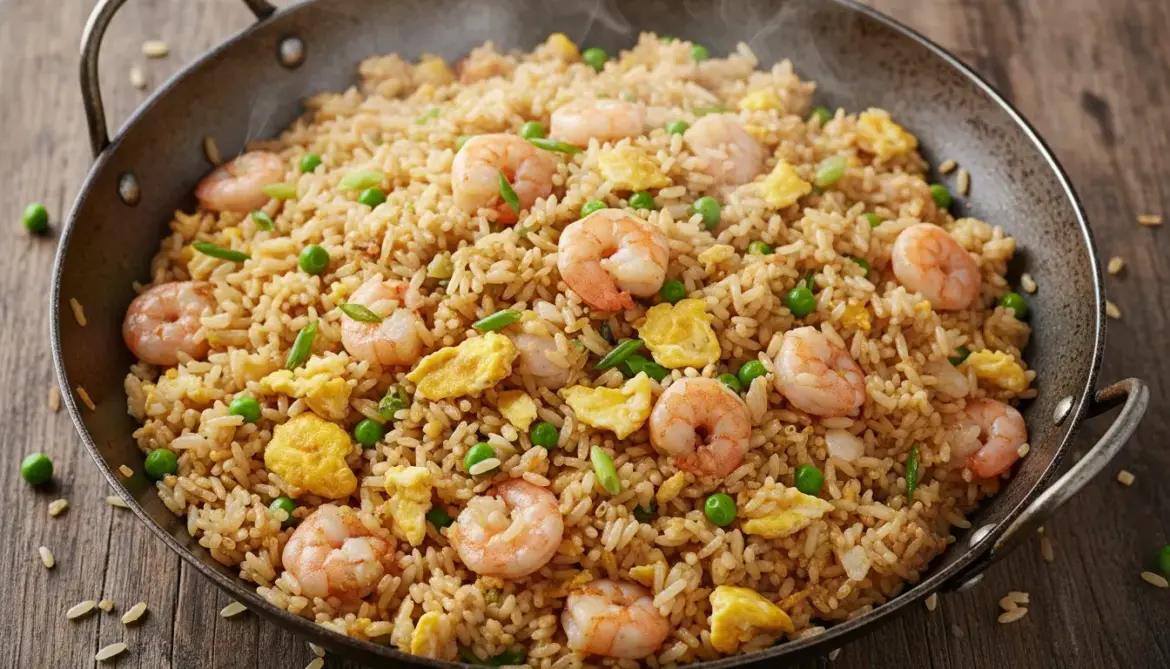
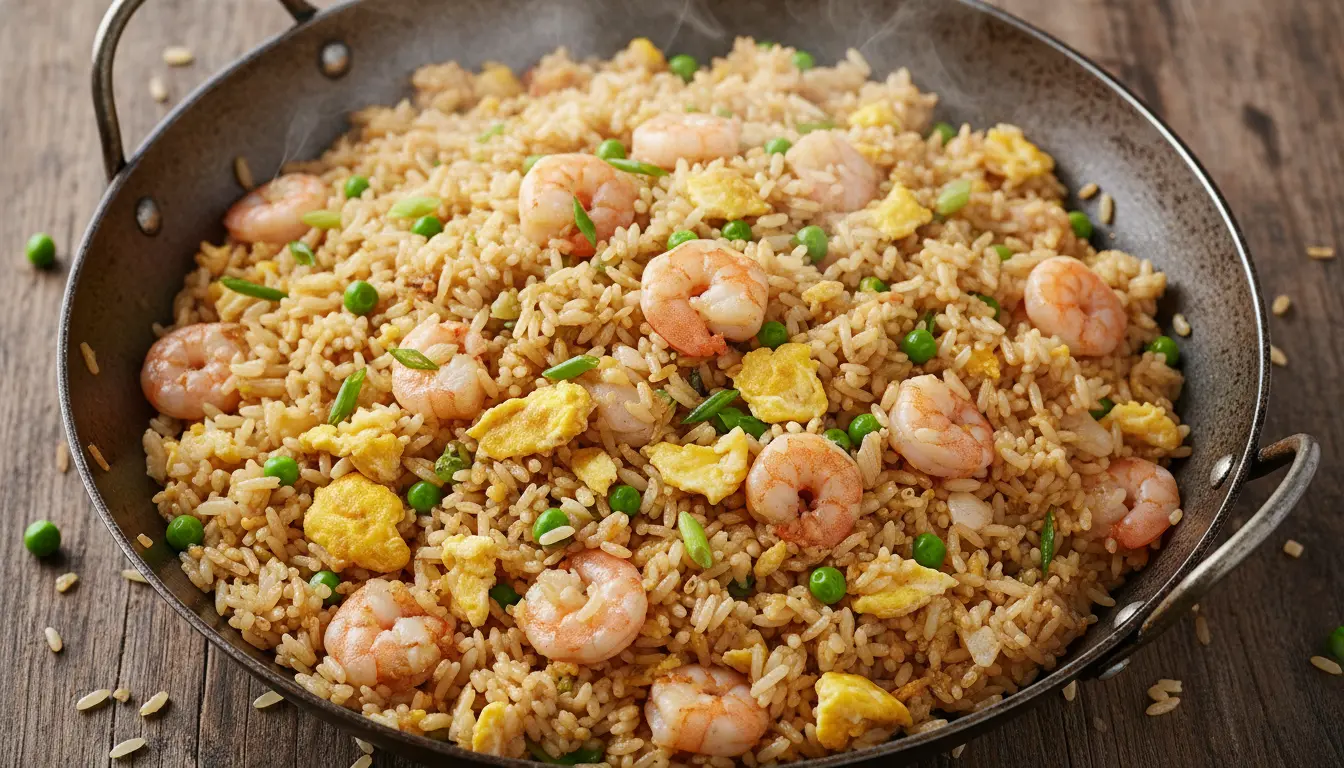
A generous serving of colorful Yangzhou Chinese Fried Rice, featuring shrimp and char siu.
ChineseRecipes

Yangzhou Chinese Fried Rice

by D L May 25, 2026
written by D L

Watch how to make it

Yangzhou fried rice is the benchmark Chinese fried rice — light, separate grains studded with shrimp, char siu, egg and peas. The secret isn’t a long ingredient list; it’s day-old rice, a screaming-hot wok, and working fast so every grain fries rather than steams.

Why this recipe works

  • Cold day-old rice has dried out, so grains separate and fry instead of clumping.
  • Scramble the egg first, then add rice — coating grains in egg keeps them fluffy.
  • High heat, small batches deliver that smoky “wok hei”.

Key ingredients

Day-old cooked rice, shrimp, char siu (or ham), eggs, peas, carrot, scallions, soy sauce and white pepper. Full method in the recipe card.

Tips from our kitchen

  • Spread fresh rice on a tray and chill if you don’t have day-old rice.
  • Have everything prepped — fried rice cooks in minutes.
  • Season lightly with soy; Yangzhou rice should stay pale, not brown.

A generous serving of colorful Yangzhou Chinese Fried Rice, featuring shrimp and char siu.

Yangzhou Fried Rice

Print Recipe Pin Recipe
Prep Time 15 minutes mins
Cook Time 10 minutes mins
Total Time 25 minutes mins
Servings: 3 servings
Course: Main Course
Cuisine: Chinese
Ingredients Method Notes

Ingredients
  

  • 3 cups day-old cooked rice
  • 150 g shrimp
  • 100 g char siu diced
  • 2 eggs
  • 1/2 cup peas
  • 1 carrot diced
  • 2 scallions
  • 1 tbsp soy sauce
  • 1 pinch white pepper

Method
 

  1. Scramble the eggs in a hot oiled wok; remove.
  2. Stir-fry shrimp and char siu until just cooked.
  3. Add the cold rice, breaking up clumps, and toss over high heat.
  4. Add peas and carrot; return the egg.
  5. Season with soy sauce and white pepper, finish with scallions.

Notes

Cold day-old rice is essential for separate, fluffy grains.

Frequently asked questions

Why is my fried rice mushy?

Freshly cooked or warm rice steams instead of frying. Use cold, day-old rice and a very hot wok in small batches.

Can I make it without a wok?

Yes — use your largest, heaviest skillet, get it very hot, and cook in batches so you don’t crowd the pan.

Variations & substitutions

Yangzhou Fried Rice is wonderfully versatile, allowing for creative swaps while maintaining its core appeal. Here are some real, expert-approved substitutions to tailor it to your pantry or preference:
  • Proteins: Instead of char siu (Chinese BBQ pork), use 1 cup of diced cooked chicken breast or thigh, or 1 cup of diced ham. For the shrimp, bay scallops or calamari rings can be used, or simply increase the amount of char siu/chicken. For a vegetarian option, omit the meat and shrimp, and add 1 cup of firm tofu (pressed, diced, and pan-fried until golden brown) along with an extra egg.
  • Vegetables: While peas and carrots are classic, feel free to swap or add. Try 1/2 cup corn kernels, 1/2 cup finely diced green beans, or 1/4 cup rehydrated and sliced dried shiitake mushrooms for a deeper umami. A handful of chopped bok choy or baby spinach can be stirred in at the very end until just wilted for a fresh green element.
  • Aromatics: If you don’t have fresh ginger, a pinch (1/4 teaspoon) of ground ginger can be used in a pinch, though fresh is always superior. For a milder onion flavor, finely diced shallots can replace part of the scallions.
  • Flavor Boosters: For an extra layer of savory depth, add 1 teaspoon of oyster sauce (or vegetarian oyster sauce) along with the light soy sauce. A tiny dash (1/2 teaspoon) of dark soy sauce can be added for a richer color without significantly altering the flavor profile. For a subtle kick, a drizzle of chili oil or a pinch of white pepper can be added at the very end.

What to serve with it

Yangzhou Fried Rice is a deliciously complete meal in itself, offering a balanced blend of protein, carbohydrates, and vegetables. However, it pairs beautifully with lighter, complementary dishes that cleanse the palate, add a different texture, or enhance the overall Chinese dining experience. Think about contrasting flavors and textures to create a truly satisfying spread.
  • Hot and Sour Soup: Its tangy, spicy, and savory notes provide a wonderful contrast to the fried rice.
  • Egg Drop Soup: A light, comforting, and simple soup that balances the richness of the fried rice.
  • Steamed Garlic Gai Lan (Chinese Broccoli): Crisp-tender greens with a hint of garlic offer a refreshing, healthy counterpoint.
  • Crispy Spring Rolls or Egg Rolls: Add a delightful crunch and a different flavor profile.
  • Pan-Fried Potstickers (Guo Tie): Savory dumplings provide another textural and flavor dimension.
  • Lightly Steamed Fish with Ginger and Scallions: A delicate, clean-tasting protein option that won’t overpower the fried rice.
  • Cucumber Salad with Sesame Dressing: A cool, tangy, and refreshing side to cut through the richness.

Make ahead, storage & reheating

Efficiency is key for great fried rice, and much of the prep can be done in advance. Proper storage and reheating ensure your leftovers are just as delicious as the first serving.
  • Rice Preparation (Make Ahead): The most crucial step is using cold, day-old rice. Cook 2-3 cups of long-grain white rice (Jasmine is ideal) 1 day in advance. Once cooked, spread it thinly on a baking sheet to cool quickly, then refrigerate uncovered for at least 6-8 hours, or up to 2 days, to thoroughly dry out the grains. This prevents mushy fried rice.
  • Ingredient Prep (Make Ahead): Dice your char siu, peel and devein shrimp, and chop all vegetables (carrots, peas, scallions) up to 24 hours ahead. Store each ingredient separately in airtight containers in the refrigerator. Whisk eggs just before you’re ready to cook.
  • Storage (Cooked Fried Rice): Allow the fried rice to cool completely (within 1-2 hours) before transferring it to an airtight container. Store in the refrigerator for up to 3-4 days. For longer storage, freeze the cooled fried rice in a freezer-safe bag or container for up to 1 month. Label with the date.
  • Reheating (From Refrigerator):
    • Stovetop (Recommended): Heat 1-2 teaspoons of neutral, high-smoke-point oil (like canola or grapeseed) in a non-stick pan or wok over medium-high heat. Add the desired portion of fried rice, breaking up any clumps with your spatula. Stir-fry for 5-7 minutes, tossing frequently, until heated through and the grains are slightly crispy again. A splash of water (1 tablespoon per serving) can help reintroduce moisture if the rice seems too dry.
    • Microwave: Place a single serving in a microwave-safe bowl. Cover loosely with a damp paper towel to help retain moisture. Microwave on high for 1-2 minutes, stirring halfway, until piping hot. While convenient, this method may not achieve the same crispy texture as stovetop reheating.
  • Reheating (From Freezer): Thaw frozen fried rice overnight in the refrigerator. Once thawed, reheat using the stovetop or microwave methods described above. Stovetop reheating is highly recommended for best texture.

Common mistakes to avoid

Even experienced cooks can stumble with fried rice. Avoiding these common pitfalls will elevate your Yangzhou Fried Rice from good to outstanding.
  • Using Freshly Cooked, Warm Rice: This is the cardinal sin of fried rice. Warm, moist rice will steam and clump, resulting in a soggy, gummy texture instead of distinct, fluffy grains. Always use cold, day-old rice that has been thoroughly dried in the refrigerator.
  • Overcrowding the Wok (or Pan): Adding too many ingredients at once drastically lowers the temperature of your cooking surface. This causes ingredients to steam rather than fry, leading to a watery, bland, and soggy dish. Cook in batches if necessary, especially if you’re not using a large, high-powered wok.
  • Insufficient Heat: Fried rice demands high heat. Your wok or pan should be smoking hot before you add oil, and maintain that high temperature throughout the cooking process. Low heat will result in ingredients simmering in their own juices instead of developing that characteristic “wok hei” (breath of the wok) and crispy texture.
  • Adding Sauces Too Early: Soy sauce and other liquid seasonings can burn quickly at high temperatures and also introduce moisture that can make the rice soft. Add them towards the end of the cooking process, after the rice and other ingredients are properly fried and heated through.
  • Skipping Mise en Place: Fried rice cooks incredibly fast, often in just minutes. If your ingredients aren’t prepped, chopped, and measured out *before* you start cooking, you’ll be scrambling, leading to unevenly cooked or burnt components. Have everything ready and within arm’s reach.

More questions

Why is day-old rice essential for perfect fried rice?

Day-old, refrigerated rice loses a significant amount of its moisture content, making the individual grains firmer and less sticky. This dryness is absolutely crucial for achieving that desirable loose, distinct grain texture rather than a mushy, clumped mess when stir-fried at high heat. Freshly cooked rice still holds too much water, which will steam in the wok, preventing proper frying and absorption of flavors.

What’s the best oil to use for fried rice?

A neutral, high-smoke-point oil is best for fried rice. Canola, grapeseed, peanut, or sunflower oil are excellent choices. Their mild flavor won’t overpower the delicate balance of ingredients in Yangzhou Fried Rice, and their high smoke point allows you to achieve the necessary searing heat and “wok hei” without burning the oil and imparting off-flavors. Avoid olive oil or butter, as their low smoke points will cause them to burn quickly.

How do I get those distinct, non-clumpy grains of rice?

Beyond using dry, day-old rice, the key to distinct, non-clumpy grains lies in three techniques: high heat, proper stirring, and not overcrowding your wok. Ensure your wok or pan is screaming hot before adding oil. Add the rice in manageable portions, breaking up any clumps with the back of your spatula or wok ladle as soon as it hits the hot surface. Keep the rice moving constantly, tossing and stirring vigorously, to ensure even exposure to heat and allow moisture to evaporate quickly, preventing sticking and promoting individual grain separation. If your rice still clumps, try coating the cold rice lightly with a teaspoon of oil before adding it to the wok.
May 25, 2026 0 comments
0 FacebookTwitterPinterestEmail
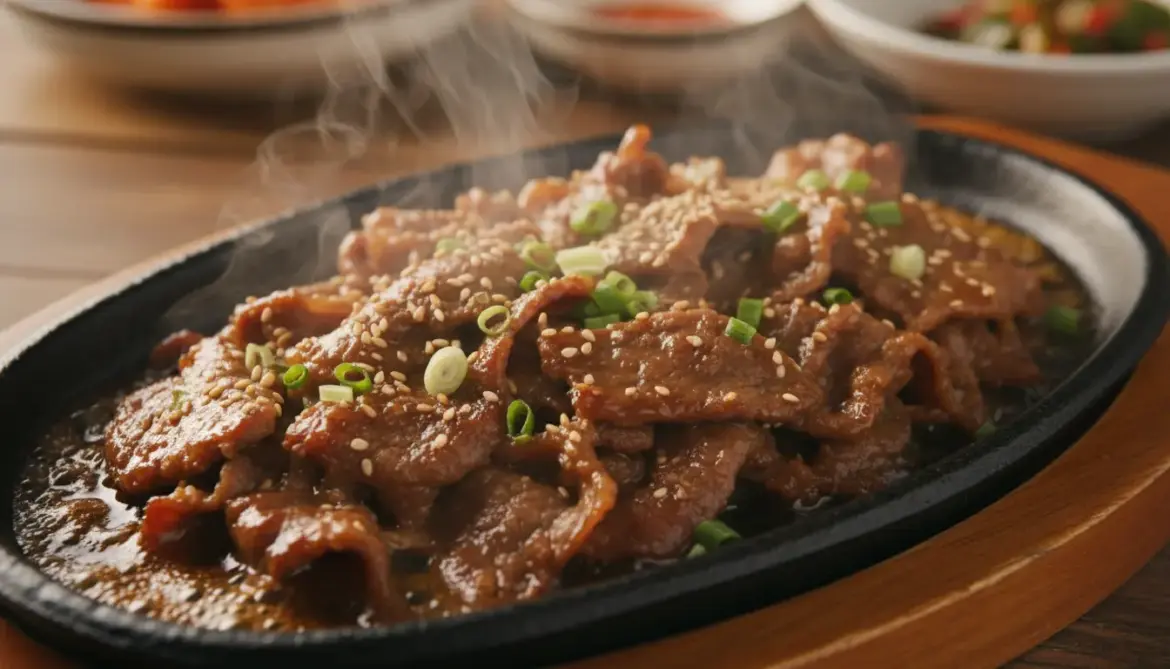
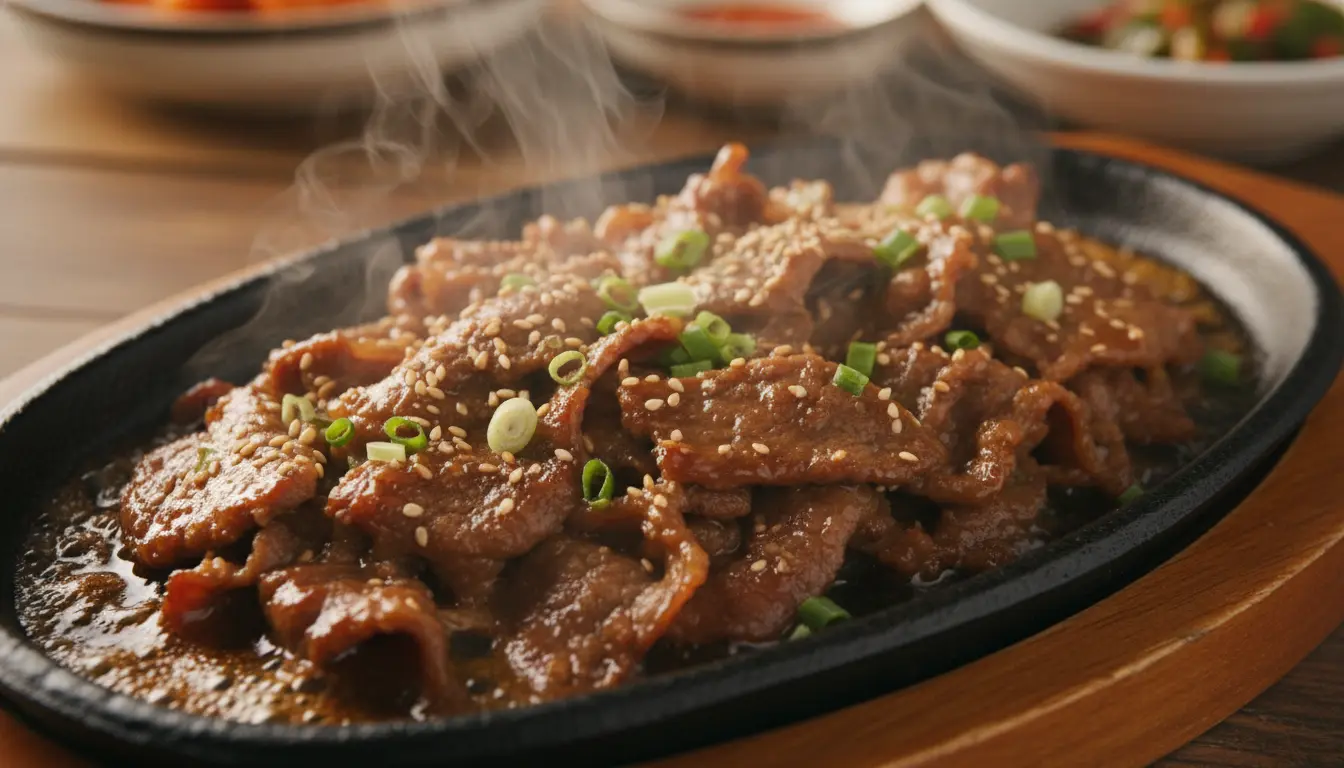
Thinly sliced, perfectly marinated Korean Beef Bulgogi, sizzling on a grill or pan.
KoreanRecipes

Korean Beef Bulgogi (Marinated BBQ Beef)

by D L May 25, 2026
written by D L

Watch how to make it

Bulgogi — “fire meat” — is Korea’s beloved marinated beef: thin slices in a sweet-savory marinade of soy, pear, garlic and sesame, seared hot and fast. It’s caramelised, juicy and endlessly versatile over rice, in lettuce wraps, or in bibimbap.

Why this recipe works

  • Grated pear in the marinade tenderises the beef and adds natural sweetness.
  • Slice the beef thin (freeze 30 min first) so it cooks in seconds and soaks up marinade.
  • Sear in batches over high heat for caramelisation, not steaming.

Key ingredients

Thin-sliced ribeye or sirloin, soy sauce, Asian pear, garlic, sesame oil, sugar, scallions and sesame seeds. Full quantities in the recipe card.

Tips from our kitchen

  • Marinate at least 30 minutes (or overnight) for deeper flavour.
  • Get the pan or grill ripping hot so the marinade caramelises rather than boils.
  • Serve with rice, ssamjang and lettuce for wraps.

Thinly sliced, perfectly marinated Korean Beef Bulgogi, sizzling on a grill or pan.

Korean Beef Bulgogi

Print Recipe Pin Recipe
Prep Time 35 minutes mins
Cook Time 10 minutes mins
Total Time 45 minutes mins
Servings: 3 servings
Course: Main Course
Cuisine: Korean
Ingredients Method Notes

Ingredients
  

  • 400 g ribeye thinly sliced
  • 4 tbsp soy sauce
  • 1/4 Asian pear grated
  • 3 cloves garlic minced
  • 1 tbsp sesame oil
  • 1 tbsp sugar
  • 2 scallions
  • 1 tsp sesame seeds

Method
 

  1. Mix soy, grated pear, garlic, sesame oil and sugar into a marinade.
  2. Marinate the sliced beef at least 30 minutes (or overnight).
  3. Sear in batches in a ripping-hot pan or grill until caramelised.
  4. Garnish with scallions and sesame seeds; serve with rice.

Notes

Freeze the beef 30 min before slicing for paper-thin pieces.

Frequently asked questions

What’s the best cut?

Well-marbled ribeye is classic and juicy; sirloin is a leaner option. Slice thinly against the grain.

No Asian pear?

Substitute a ripe regular pear or kiwi for the tenderising enzymes — don’t marinate too long with kiwi or the meat turns mushy.

Variations & substitutions

  • Meat Swaps: While thinly sliced ribeye is classic, you can achieve delicious results with other cuts. Try sirloin, flank steak (sliced thinly against the grain), or even thinly sliced pork shoulder (for a twist on Daeji Bulgogi). For poultry, use boneless, skinless chicken thighs or thinly sliced chicken breast.
  • Vegetarian/Vegan Option: Replace beef with firm or extra-firm tofu (pressed and sliced) or hearty mushrooms like king oyster or portobello. Adjust marinating time as plant-based proteins don’t require tenderizing. Ensure your soy sauce is gluten-free (tamari) if needed.
  • Sweetener Alternatives: Asian pear is traditional, but a small amount of grated apple, kiwi (use sparingly, 1/2 kiwi for 1 lb beef, marinate no longer than 30 minutes), or pineapple juice can substitute. For the sugar, brown sugar, honey, or even a touch of maple syrup can be used.
  • Spice Level: For a spicy kick, add 1-2 tablespoons of Gochujang (Korean chili paste) to the marinade. This creates a spicier, slightly richer flavor profile.
  • Added Vegetables: Feel free to incorporate thinly sliced yellow onions, carrots, bell peppers, or mushrooms (shiitake or cremini) directly into the marinade for the last 30 minutes, or stir-fry them alongside the beef, adding them a few minutes before the beef is fully cooked.

What to serve with it

Bulgogi is the centerpiece of a traditional Korean meal, designed to be enjoyed with a variety of complementary dishes that offer balance in flavor and texture. Think fresh, fermented, and comforting elements that cut through the richness of the beef and cleanse the palate. The best way to enjoy it is family-style, allowing everyone to mix and match.

  • Steamed Short-Grain White Rice: The absolute essential. Its mild flavor and sticky texture are perfect for soaking up the savory bulgogi sauce.
  • Kimchi: Fermented napa cabbage kimchi is a must-have, offering a spicy, tangy, and umami counterpoint. Radish kimchi (kkakdugi) or cucumber kimchi (oi sobagi) are also excellent.
  • Ssam (Lettuce Wraps): Fresh red leaf lettuce, perilla leaves (kkaennip), or even steamed cabbage leaves provide a refreshing wrapper. Fill with a piece of bulgogi, a dab of ssamjang (spicy dipping sauce), and a bit of rice.
  • Banchan (Side Dishes): A selection of small Korean side dishes elevates the meal. Popular choices include seasoned spinach (sigeumchi namul), bean sprout salad (kongnamul muchim), pickled radish, or spicy cucumber salad (oi muchim).
  • Pajeori (Scallion Salad): Thinly sliced scallions tossed in a light, tangy dressing of soy sauce, vinegar, and gochugaru (Korean chili flakes) offer a sharp, fresh contrast.
  • Doenjang Jjigae or Kimchi Jjigae: A warm, savory stew like fermented soybean paste stew or kimchi stew provides a comforting and deeply flavorful accompaniment, especially on cooler days.

Make ahead, storage & reheating

Bulgogi is a fantastic dish for meal prep, especially the marinating stage, which actually improves its flavor and tenderness over time. Proper storage ensures you can enjoy delicious bulgogi with minimal fuss.

  • Make Ahead (Marination): The beef can be marinated in an airtight container or a heavy-duty zip-top bag in the refrigerator for up to 2-3 days. This allows the flavors to deepen considerably. If using kiwi or pineapple as a tenderizer, limit marination to 30 minutes to prevent the meat from becoming mushy. Asian pear is gentler and allows for longer marination.
  • Storage (Raw, Marinated): Store raw, marinated beef in a sealed container in the coldest part of your refrigerator for up to 3 days.
  • Storage (Cooked): Once cooked, allow the bulgogi to cool completely before transferring it to an airtight container. It can be stored in the refrigerator for 3-4 days.
  • Freezing (Raw, Marinated): For longer storage, raw marinated bulgogi freezes beautifully. Place the marinated beef (without excess liquid) in a single layer in a freezer-safe zip-top bag, pressing out all air. Freeze flat for up to 3 months. Thaw overnight in the refrigerator before cooking.
  • Freezing (Cooked): While possible, freezing cooked bulgogi can slightly alter the texture of the beef, making it a bit tougher upon reheating. If freezing, cool completely, then store in an airtight, freezer-safe container for up to 1-2 months.
  • Reheating (Cooked): The best way to reheat cooked bulgogi is in a hot skillet over medium-high heat. Add a tiny splash of water or beef broth to prevent drying, and stir-fry quickly for 2-3 minutes until heated through. Avoid overcooking, as this will toughen the meat. If reheating from frozen, thaw in the refrigerator first, then reheat as above.

Common mistakes to avoid

  • Not Slicing the Beef Thinly Enough: Bulgogi relies on very thin slices (about 1/8 to 1/4 inch thick) to ensure quick cooking and maximum tenderness. Thicker slices will cook unevenly and can become tough. Partially freezing the beef for 30-45 minutes makes it much easier to slice thinly.
  • Over-Marinating with Strong Tenderizers: If your marinade includes kiwi, pineapple, or other strong enzymatic tenderizers, do NOT marinate for more than 30 minutes. These enzymes will break down the meat fibers too aggressively, resulting in a mushy, undesirable texture. Asian pear is a milder tenderizer and allows for longer marination.
  • Overcrowding the Pan: This is a cardinal sin for bulgogi! When you add too much meat to the pan at once, it drastically lowers the pan’s temperature. Instead of searing and caramelizing, the beef will steam in its own juices, resulting in grey, watery, and tough meat. Cook in small batches, ensuring there’s plenty of space between pieces.
  • Cooking on Too Low Heat: Bulgogi needs high heat to achieve that beautiful caramelization and slight char. A lukewarm pan will steam the meat, preventing the Maillard reaction and leaving you with less flavorful, tougher beef. Always preheat your pan or grill to medium-high or high heat.
  • Adding Too Many Vegetables Too Early: While vegetables are a great addition, adding them all at the beginning will release too much moisture, again dropping the pan temperature and steaming the beef. If incorporating vegetables like onions or bell peppers, add them towards the end of the cooking process (the last 2-3 minutes) so they retain some crispness and don’t water down the dish.

More questions

Can I make this bulgogi spicy?

Absolutely! To add a delightful kick, simply incorporate 1 to 2 tablespoons of Gochujang (Korean chili paste) into your marinade. Start with 1 tablespoon and add more if you prefer a higher level of heat. The gochujang will also add a subtle depth and richness to the sauce, giving it a slightly different, but equally delicious, character. You can also serve gochujang on the side for individual customization.

What’s the secret to getting a good sear and caramelization on the beef without overcooking it?

The key lies in high heat and not overcrowding your cooking surface. First, ensure your skillet (cast iron works wonderfully) or grill is screaming hot over medium-high to high heat before adding any beef. Second, cook the bulgogi in small batches. This allows the pan temperature to remain high, ensuring the meat sears quickly and develops a beautiful caramelized crust rather than steaming. Resist the urge to constantly stir; let the beef sit for 30-60 seconds on one side to achieve that desirable char before flipping and stir-frying for just 2-4 minutes total.

My bulgogi turned out tough. What went wrong?

There are a few common culprits for tough bulgogi. The most frequent issues are: 1) The beef wasn’t sliced thinly enough or wasn’t sliced against the grain. Thin, cross-grain slices are crucial for tenderness. 2) The pan wasn’t hot enough, or you overcrowded it. This causes the meat to steam rather than sear, resulting in a rubbery texture. Always cook in small batches on high heat. 3) Overcooking. Bulgogi cooks very quickly due to its thinness; even an extra minute or two can turn tender beef tough. Cook just until the edges are caramelized and the meat is no longer pink. 4) If you used a strong tenderizer like kiwi, you might have over-marinated, breaking down the meat too much.

May 25, 2026 0 comments
1 FacebookTwitterPinterestEmail
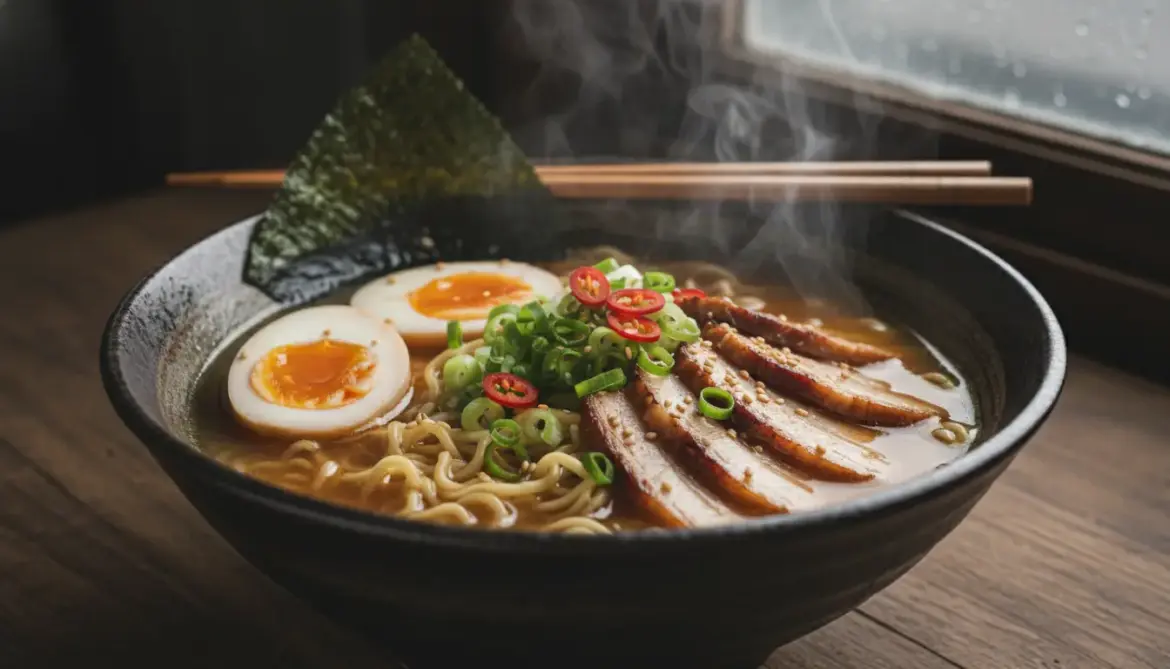
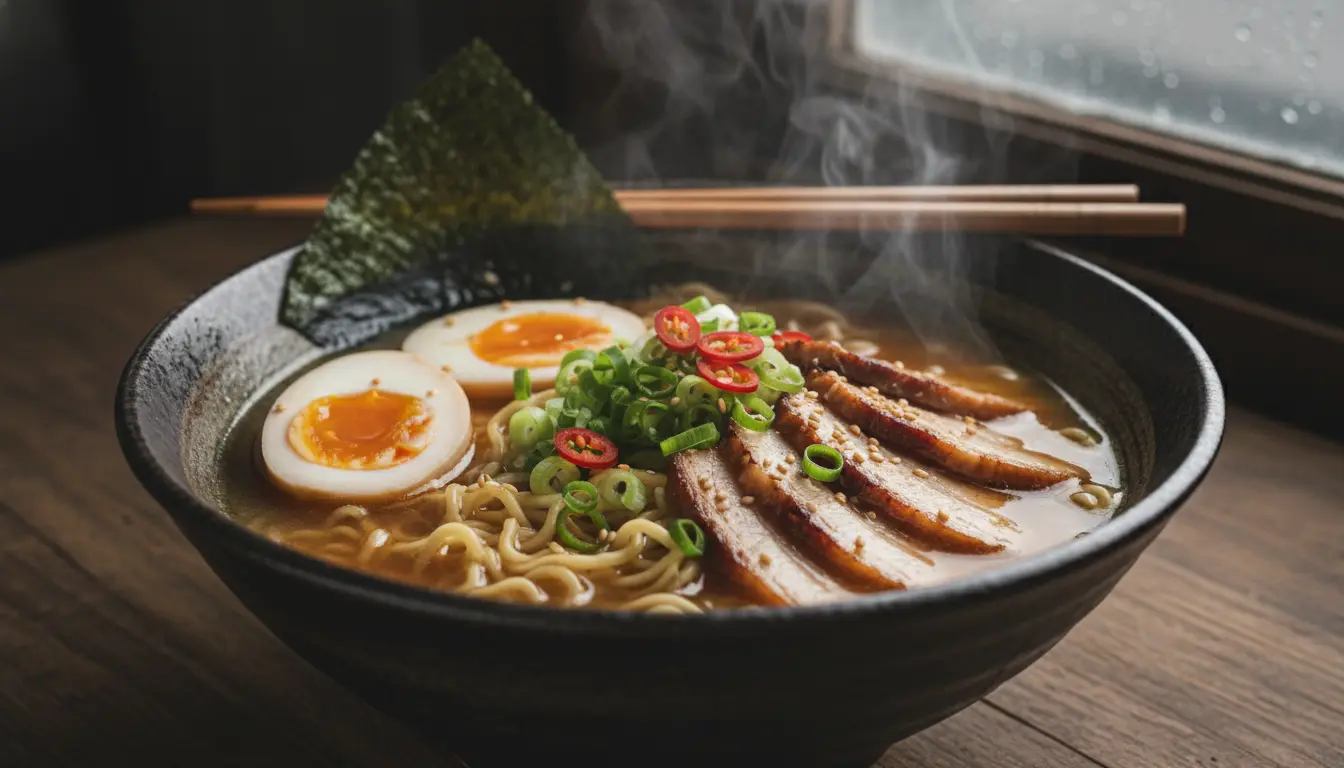
A steaming bowl of homemade Japanese Shoyu Ramen, topped with pork, egg, and nori.
JapaneseRecipes

Japanese Shoyu Ramen at Home

by D L May 25, 2026
written by D L

Watch how to make it

A great bowl of shoyu ramen is all about layers: a savory soy-based tare, a clear-but-rich broth, springy noodles, and toppings like soft-boiled egg, chashu pork and nori. You don’t need a 12-hour broth to eat well at home — this approachable version comes together in an evening.

Why this recipe works

  • Tare + broth, kept separate until serving — the classic ramen structure that lets you control seasoning.
  • A quick chicken-and-kombu broth delivers depth without all-day simmering.
  • Jammy marinated egg (ajitama) made ahead takes the bowl from good to great.

Key ingredients

Fresh ramen noodles, soy sauce, mirin, kombu, chicken, eggs, chashu pork, scallions and nori. See the recipe card for the full method.

Tips from our kitchen

  • Marinate the eggs the night before for the best jammy yolk and flavour.
  • Cook noodles separately and add to the bowl last so they don’t go soft.
  • Warm the bowls — ramen cools fast.

A steaming bowl of homemade Japanese Shoyu Ramen, topped with pork, egg, and nori.

Japanese Shoyu Ramen

Print Recipe Pin Recipe
Prep Time 20 minutes mins
Cook Time 30 minutes mins
Total Time 50 minutes mins
Servings: 2 bowls
Course: Main Course
Cuisine: Japanese
Ingredients Method Notes

Ingredients
  

  • 200 g fresh ramen noodles
  • 4 tbsp soy sauce
  • 2 tbsp mirin
  • 1 piece kombu
  • 300 g chicken
  • 2 eggs
  • 4 slices chashu pork
  • 2 scallions
  • 2 sheets nori

Method
 

  1. Make the tare: warm soy sauce and mirin together; divide between two bowls.
  2. Simmer chicken and kombu in water 30 minutes for a quick broth; strain.
  3. Soft-boil eggs 6.5 minutes, peel, and marinate in a little soy + mirin.
  4. Cook the noodles separately per package; drain well.
  5. Add noodles to the tare, pour over hot broth, and top with egg, chashu, scallions and nori.

Notes

Marinate the eggs ahead for the best jammy yolk.

Frequently asked questions

What’s tare?

Tare is the concentrated seasoning base (here soy + mirin) that sits in the bottom of the bowl; the broth is poured over it. It’s what makes a bowl “shoyu” ramen.

Can I use instant noodles?

Fresh ramen noodles are best, but good dried ramen works. Skip the seasoning packet and use your own tare and broth.

Variations & substitutions

While this recipe provides a fantastic baseline for a classic Shoyu Ramen, the beauty of home cooking lies in its adaptability. Don’t be afraid to experiment once you’ve mastered the fundamentals. Here are some expert-approved swaps and variations:

  • Noodle Nuances: Can’t find fresh ramen noodles? High-quality dried ramen noodles (often labeled ‘chuka soba’) are a good substitute; just be sure to follow package directions for cooking time precisely. For a different texture, try thicker, chewier udon noodles (though this moves away from traditional shoyu ramen style) or even thin spaghetti in a pinch, boiled with a pinch of baking soda for alkalinity.
  • Broth Boosters: For a richer, deeper umami, consider adding a small piece of kombu (dried kelp) and a handful of katsuobushi (bonito flakes) to your broth base while simmering, then strain. A tablespoon of red or white miso paste dissolved in a little hot broth before adding to your bowl can also add a delightful layer of complexity, transforming it into a shoyu-miso hybrid.
  • Protein Play: Instead of chashu, try thinly sliced pan-seared chicken breast or thigh, marinated in a similar soy-ginger mixture. For a vegetarian option, pan-fried or baked marinated tofu or tempeh slices work beautifully, absorbing the broth’s flavor.
  • Vegetable Ventures: Swap out spinach for blanched bok choy, bean sprouts, or thinly sliced napa cabbage. A handful of sweet corn kernels (fresh or frozen) adds a burst of color and sweetness, while a sprinkle of finely chopped scallions or a drizzle of chili oil can replace the green onions for a different aromatic kick.
  • Tare Twists: Experiment with different types of shoyu (soy sauce). A blend of light and dark soy sauce can offer a more nuanced flavor profile. For an extra layer of sweetness and depth, a touch of oyster sauce or a dash of black vinegar can be interesting additions to your tare, though use sparingly to maintain balance.

What to serve with it

Ramen is often a meal in itself, but in Japan, it’s common to enjoy it with a few complementary side dishes that balance the rich broth and hearty noodles. Think of lighter, often fried, or pickled accompaniments that offer textural contrast or a refreshing palate cleanse. Here are some authentic pairings that elevate the ramen experience:

  • Gyoza (Pan-fried Dumplings): The crispy bottoms and savory pork and vegetable filling of gyoza make them a classic ramen companion. Their umami complements the broth without overpowering it.
  • Karaage (Japanese Fried Chicken): Juicy, marinated, and perfectly crispy fried chicken offers a delightful textural contrast and a burst of savory flavor. A squeeze of lemon brightens the richness.
  • Edamame: Simple, steamed edamame pods, lightly salted, provide a fresh, slightly sweet, and healthy counterpoint to the rich ramen. They’re also great for a light appetizer.
  • Takuan (Pickled Daikon Radish): The crisp texture and tangy, slightly sweet flavor of takuan offer a refreshing palate cleanser between spoonfuls of ramen, cutting through the richness.
  • Chahan (Japanese Fried Rice): For a truly hearty meal, a small bowl of Japanese-style fried rice, often made with leftover chashu or simple vegetables, is a popular pairing.

Make ahead, storage & reheating

The key to excellent homemade ramen is assembling it fresh, but many components can be prepared in advance to make weeknight ramen dreams a reality. Proper storage and reheating ensure quality and safety.

  • Broth: The broth is your best friend for make-ahead. Prepare it fully, cool completely, then store in an airtight container in the refrigerator for up to 3-4 days. For longer storage, freeze in individual portions for up to 3 months. Reheat gently over medium heat, stirring occasionally, until simmering. Do not boil vigorously, which can make it cloudy.
  • Tare (Seasoning Concentrate): Your tare is quite stable. Store it in a sealed jar or container in the refrigerator for several weeks to even months, depending on ingredients. As it’s a concentrate, it’s less prone to spoilage.
  • Chashu (Pork Belly): Once cooked and cooled, store the entire roll or sliced portions in its braising liquid in an airtight container in the refrigerator for up to 4 days. For longer storage, freeze individual slices or the whole roll (without liquid, or with just enough to coat) for up to 1 month. Reheat sliced chashu gently in a pan with a splash of its braising liquid, or dip briefly into the hot ramen broth just before serving.
  • Aroma Oil: Store your finished aroma oil in a clean, airtight bottle or jar at room temperature for up to 2 weeks, or in the refrigerator for longer (it might solidify but will liquefy when warmed).
  • Ajitama (Marinated Eggs): Store peeled, marinated eggs in their liquid in an airtight container in the refrigerator for up to 3 days. They are best served chilled or at room temperature.
  • Noodles & Vegetables: These are best prepared fresh just before serving. Pre-cooked noodles can become gummy. If absolutely necessary, cook noodles al dente, rinse immediately with cold water, toss with a tiny bit of neutral oil, and store in the fridge for no more than 1 day. Reheat by dipping into boiling water for 15-30 seconds. Most vegetables (spinach, scallions) should be prepped but added fresh.

Common mistakes to avoid

Even seasoned cooks can stumble when making ramen. Avoiding these common pitfalls will significantly improve your homemade bowl:

  • Overcooking the Noodles: This is perhaps the most common ramen sin. Mushy, soggy noodles ruin the entire experience. Ramen noodles cook very quickly, often in 60-90 seconds. Always cook them fresh, just before serving, and follow package directions precisely. A slight al dente bite is ideal.
  • Not Seasoning the Broth Properly (or at all): Simply making a stock isn’t enough. The tare is crucial. Without it, your broth will taste bland, no matter how rich your stock is. Add your tare to the bowl first, then the hot broth, allowing them to emulsify. Taste and adjust.
  • Using Cold Toppings: Adding cold chashu, eggs, or vegetables directly to your hot broth will significantly drop its temperature, resulting in a lukewarm bowl. Gently warm your chashu, and ensure other toppings are at least room temperature.
  • Assembling Too Early: Ramen is a dish meant to be eaten immediately upon assembly. If you let it sit, the noodles will absorb too much broth and become soggy, and the broth will cool down. Have all components ready, assemble quickly, and serve without delay.
  • Boiling the Broth Vigorously: While simmering is necessary, a rolling boil can emulsify fats in a way that makes your broth cloudy and can reduce it too quickly, altering its intended balance. Maintain a gentle simmer for clarity and flavor retention.

More questions

Can I use store-bought broth or stock?

Absolutely, especially for convenience! To elevate store-bought chicken or vegetable broth, simmer it with a piece of kombu (dried kelp) and a handful of katsuobushi (bonito flakes) for 15-20 minutes, then strain. This adds a crucial layer of umami. Alternatively, simply ensure your tare is robust and flavorful, as it will provide the primary seasoning for the broth.

What’s the secret to perfectly jammy ramen eggs (Ajitama)?

The key is precise timing and an immediate ice bath. Bring water to a rolling boil. Gently lower cold eggs into the boiling water. For a perfect jammy yolk, boil for exactly 6 minutes and 30 seconds for medium eggs, or 7 minutes for large eggs. Immediately transfer them to an ice bath to stop the cooking process. Peel carefully under cold running water, then marinate in your chashu braising liquid or a separate soy-mirin mixture for at least 6-12 hours.

What’s the single most important element for truly great homemade ramen?

While all components are important, the most critical element for a truly great bowl of ramen is the balance and synergy of the tare, aroma oil, and broth, combined with perfectly cooked, fresh noodles. Many focus solely on the broth, but without a well-balanced tare and a fragrant aroma oil, even the best broth will fall flat. The interplay of these three elements creates the depth and complexity ramen is famous for.

May 25, 2026 0 comments
0 FacebookTwitterPinterestEmail
A rich bowl of creamy Thai Green Curry with chicken and vegetables, served with rice.
RecipesThai

Thai Green Curry (Gaeng Keow Wan)

by D L May 25, 2026
written by D L

Watch how to make it

Thai green curry (gaeng keow wan) is fragrant, creamy and quietly fiery — a coconut-rich curry built on a fresh green paste of chilies, lemongrass, galangal and kaffir lime. Made well, it’s bright and aromatic, not heavy. This is our weeknight version that still tastes like a Bangkok kitchen.

Why this recipe works

  • Fry the paste first in thick coconut cream until the oil splits — this blooms the aromatics.
  • Two-stage coconut (cream then milk) gives richness without greasiness.
  • Finish with Thai basil and lime off the heat to keep it fresh.

Key ingredients

Green curry paste, coconut milk, chicken (or tofu), Thai eggplant, bamboo shoots, fish sauce, palm sugar, kaffir lime leaves and Thai basil. Full amounts in the recipe card below.

Tips from our kitchen

  • Use full-fat coconut milk — light versions won’t split or carry the flavour.
  • Balance at the end: fish sauce for salt, palm sugar for sweetness, lime for lift.
  • Make your own paste if you can; it’s noticeably brighter than jarred.

A rich bowl of creamy Thai Green Curry with chicken and vegetables, served with rice.

Thai Green Curry

Print Recipe Pin Recipe
Prep Time 15 minutes mins
Cook Time 20 minutes mins
Total Time 35 minutes mins
Servings: 4 servings
Course: Main Course
Cuisine: Thai
Ingredients Method Notes

Ingredients
  

  • 3 tbsp green curry paste
  • 400 ml coconut milk
  • 400 g chicken sliced
  • 100 g Thai eggplant
  • 100 g bamboo shoots
  • 2 tbsp fish sauce
  • 1 tbsp palm sugar
  • 4 kaffir lime leaves
  • 1 handful Thai basil

Method
 

  1. Fry the curry paste in 4 tbsp thick coconut cream until the oil splits and it smells fragrant.
  2. Add chicken and stir to coat.
  3. Pour in the rest of the coconut milk, add eggplant and bamboo shoots; simmer until cooked.
  4. Season with fish sauce and palm sugar; add kaffir lime leaves.
  5. Off the heat, stir in Thai basil. Serve with jasmine rice.

Notes

Use full-fat coconut milk so the paste blooms properly.

Frequently asked questions

Why did my curry turn out greasy?

Usually too much oil or over-reducing. Fry the paste until just split, then add liquid and don’t boil hard.

Can I make it vegetarian?

Yes — use tofu and vegetables, and swap fish sauce for light soy or a vegan fish sauce.

Variations & substitutions

  • Protein Swaps: While chicken is classic, don’t hesitate to experiment. For a richer flavor, try thinly sliced beef sirloin or flank steak. Shrimp cooks quickly and adds a delicate sweetness. Firm tofu (pressed and pan-fried until golden) or tempeh are excellent plant-based alternatives.
  • Vegetable Diversity: Expand beyond the standard bamboo shoots and Thai eggplant. Add bell peppers (red, yellow, or orange for color contrast), snow peas, broccoli florets, green beans, or even sliced mushrooms. Ensure vegetables are cut into bite-sized pieces and added at appropriate times to avoid overcooking.
  • Spice Level Adjustment: For more heat, add a few extra fresh bird’s eye chilies (green or red) directly to the curry while simmering, or slice them thinly and offer them as a garnish for those who dare. To reduce heat, use less curry paste or add an extra splash of coconut milk.
  • Homemade vs. Store-Bought Paste: If you’re feeling ambitious, making your own green curry paste from scratch offers unparalleled freshness and control over ingredients. If using store-bought, opt for high-quality brands like Mae Ploy or Maesri, but be aware they can be quite salty and spicy, so adjust fish sauce and sugar accordingly.
  • Coconut Milk Choices: Full-fat coconut milk (specifically the thick cream from the top of the can) is crucial for the authentic richness and ‘oil separation’ stage. For a lighter version, you can use light coconut milk, but be prepared for a thinner consistency and less luxurious mouthfeel.
  • Sweetener Alternatives: While palm sugar offers a unique, caramel-like depth, dark brown sugar can be used as a readily available substitute. Start with a smaller amount and add more to taste.
  • Vegetarian/Vegan Adaptations: For a completely plant-based curry, ensure your green curry paste is vegan (many traditional brands contain shrimp paste). Substitute fish sauce with a high-quality vegetarian mushroom or soy-based sauce, adding a pinch of salt to balance.

What to serve with it

Thai Green Curry is a robust, flavorful dish designed to be the star of your meal. The key to a balanced plate is pairing it with simple, neutral accompaniments that allow its complex flavors to shine through and help temper its heat. Plain, fluffy rice is non-negotiable, acting as a perfect sponge for the rich, aromatic sauce.

  • Steamed Jasmine Rice: This is the quintessential pairing. Its fragrant aroma and soft, slightly sticky texture are ideal for soaking up every drop of the curry sauce.
  • Brown Rice: For a healthier, nuttier alternative, brown rice also works beautifully, offering a pleasant textural contrast.
  • Roti or Paratha: Flatbreads are excellent for scooping up the sauce, adding another dimension to the meal. Warm them lightly before serving.
  • Thai-Style Fried Egg (Kai Jeow): A simple, crispy-edged omelet often served alongside curries in Thailand, providing a comforting, protein-rich addition.
  • Simple Cucumber Salad (Ajard): A refreshing side of thinly sliced cucumbers, shallots, and chilies in a sweet and sour dressing helps to cut through the richness and heat of the curry.

Make ahead, storage & reheating

Thai Green Curry is one of those magical dishes that often tastes even better the next day, as the flavors have more time to meld and deepen. This makes it an excellent candidate for meal prep.

  • Make Ahead: You can prepare the entire curry up to 1-2 days in advance. Store it in an airtight container in the refrigerator. The flavors will deepen beautifully. If you’re worried about certain vegetables (like bell peppers or snow peas) becoming too soft, you can add them during the reheating process.
  • Storage:
    • Refrigerator: Store leftover Thai Green Curry in a sealed, airtight container in the refrigerator for up to 3-4 days.
    • Freezer: For longer storage, transfer the cooled curry to freezer-safe containers or heavy-duty freezer bags. It can be frozen for up to 2-3 months. Note that the texture of some vegetables (like eggplant) might become slightly softer upon thawing, and the coconut milk may separate. This is normal and can often be remedied during reheating.
  • Reheating:
    • Stovetop (Recommended): For best results, reheat the curry gently on the stovetop over medium-low heat. Stir frequently to ensure even heating and to help re-emulsify any separated coconut milk. If the curry seems too thick, add a splash of water or fresh coconut milk to achieve your desired consistency. Bring to a gentle simmer and heat until warmed through, about 5-10 minutes.
    • Microwave: Reheat individual portions in a microwave-safe bowl, covered, on medium power in 1-2 minute intervals, stirring well between each to ensure even heating and prevent splattering.

Common mistakes to avoid

  • Not Frying the Paste Properly: This is perhaps the most crucial step. Rushing or skipping the process of frying the green curry paste in coconut cream until fragrant and the oil separates will result in a raw, underdeveloped flavor profile. Take your time here – it builds the foundation of the curry’s taste.
  • Boiling the Coconut Milk Vigorously: Coconut milk, especially full-fat, can split or become oily if boiled too aggressively. Maintain a gentle simmer throughout the cooking process once the coconut milk is added to ensure a smooth, creamy texture.
  • Overcooking the Protein and Vegetables: Chicken, shrimp, and many vegetables (like bell peppers or snap peas) cook quickly. Add them towards the end of the simmering process to ensure they remain tender, vibrant, and not mushy or rubbery.
  • Skipping Fresh Aromatics and Herbs: Kaffir lime leaves, Thai basil, and sometimes fresh bird’s eye chilies are essential for the authentic aroma and finish of a Thai Green Curry. Don’t omit them or substitute with dried versions if you can help it, as their fresh, vibrant notes are irreplaceable.
  • Forgetting to Balance Flavors: Thai cuisine is all about the balance of sweet, sour, salty, and spicy. Always taste your curry before serving and adjust with more fish sauce (salty/umami), palm sugar (sweet), and a squeeze of fresh lime juice (sour) until the flavors sing in harmony.

More questions

Can I make this vegetarian or vegan?

Absolutely! To make a vegetarian green curry, simply swap chicken for firm tofu (pressed and pan-fried until golden), tempeh, or a mix of hearty vegetables like mushrooms, baby corn, and bamboo shoots. For a vegan version, you’ll also need to ensure your green curry paste does not contain shrimp paste (many traditional brands do, so check labels carefully for specific vegan options) and substitute fish sauce with a high-quality vegetarian mushroom or soy-based sauce, adding a pinch of salt to taste.

Why is my curry oily or separated?

An oily or separated curry is usually due to one of two reasons: either the coconut milk was boiled too vigorously, causing the fats to separate from the liquid, or too much oil was used when frying the curry paste. While some oil separation (the ‘oil breaking’ stage of the paste) is desired for flavor development, excessive separation can be unappetizing. To prevent this, maintain a gentle simmer and avoid high heat. If it happens, sometimes a vigorous whisk or adding a splash of fresh, cold coconut milk at the very end can help re-emulsify it.

What’s the main difference between green and red curry?

The primary difference lies in the type of chili used to make the curry paste, which dictates both color and flavor profile. Green curry paste uses fresh green bird’s eye chilies, giving it a vibrant color and often a spicier, fresher, and more herbaceous flavor. Red curry paste, on the other hand, uses dried red chilies, resulting in a deeper red hue and a different kind of heat – often fruitier and sometimes less intensely spicy than green curry, depending on the number of chilies used. While both share many similar aromatic ingredients, the core chili choice creates distinct culinary experiences.

May 25, 2026 0 comments
1 FacebookTwitterPinterestEmail
A delicious Vietnamese Banh Mi sandwich, revealing its flavorful fillings in a crispy baguette.
RecipesVietnamese

Vietnamese Banh Mi Sandwich

by D L May 24, 2026
written by D L

Watch how to make it

Banh mi is the legendary Vietnamese sandwich — a crackly baguette stuffed with savory protein, tangy pickled daikon and carrot, cucumber, cilantro, chili and a swipe of pâté and mayo. It’s the perfect marriage of French technique and Vietnamese flavor, and it comes together fast once your pickles are ready.

Pairs perfectly with our pho bo for a full Vietnamese spread.

Why this recipe works

  • Quick-pickled daikon and carrot (do chua) cut the richness and add crunch.
  • A light, airy baguette — toasted until shatteringly crisp — is non-negotiable.
  • Layered fat + acid + herbs gives that signature balanced bite.

Key ingredients

Baguette, your protein (grilled pork, lemongrass chicken, or pâté + cold cuts), daikon, carrot, cucumber, cilantro, jalapeño, mayonnaise and Maggi or soy sauce. The do chua pickle is the heart of it.

Tips from our kitchen

  • Make a big jar of do chua — it keeps for weeks and improves after a day.
  • Hollow out a little of the bread so the fillings sit snugly.
  • Toast the baguette right before assembling for maximum crunch.

A delicious Vietnamese Banh Mi sandwich, revealing its flavorful fillings in a crispy baguette.

Vietnamese Banh Mi

Print Recipe Pin Recipe
Prep Time 20 minutes mins
Cook Time 10 minutes mins
Total Time 30 minutes mins
Servings: 2 sandwiches
Course: Main Course
Cuisine: Vietnamese
Ingredients Method Notes

Ingredients
  

  • 2 baguettes
  • 300 g grilled pork or protein of choice
  • 1 carrot julienned
  • 150 g daikon julienned
  • 3 tbsp rice vinegar
  • 1 tbsp sugar
  • 1 cucumber sliced
  • 1 handful cilantro
  • 1 jalapeno sliced
  • 2 tbsp mayonnaise

Method
 

  1. Make do chua: toss carrot and daikon with vinegar, sugar and a pinch of salt; rest 30 min.
  2. Toast the baguettes until crisp; slice open and hollow slightly.
  3. Spread mayonnaise inside.
  4. Layer the protein, drained do chua, cucumber, cilantro and jalapeno.
  5. Close, press gently and serve immediately.

Notes

Make a big jar of do chua — it keeps for weeks.

Frequently asked questions

What bread is authentic?

A Vietnamese baguette is lighter and airier than a French one, with a thin crackly crust. A light, fresh baguette or a soft sub roll is the best substitute.

How long does do chua keep?

Refrigerated, the pickled daikon and carrot keep about three weeks and taste best after the first day.

Best protein for beginners?

Lemongrass grilled chicken or pork is easy and forgiving. Vegetarians can use seasoned tofu or a fried egg.

Variations & substitutions

The beauty of Banh Mi lies in its adaptability. While the classic cold cut (Banh Mi Đặc Biệt) is iconic, don’t hesitate to explore these delicious and authentic variations:

  • Proteins: Swap out the grilled pork for succulent Thịt Nướng (grilled lemongrass pork), savory Gà Xé (shredded chicken), crispy Đậu Hũ Chiên (fried tofu) for a vegetarian option, or even a simple Trứng Ốp La (fried egg) for a breakfast-style Banh Mi. Canned sardines in tomato sauce (Cá Mòi) are also a popular, quick filling.
  • Pickled Vegetables: While daikon and carrot are standard, you can add thin slices of jicama for extra crunch, or even a touch of shredded red cabbage for color and a slightly different tang.
  • Herbs: Beyond cilantro, a few sprigs of fresh mint or Thai basil can introduce a new aromatic dimension.
  • Sauces: Experiment with different chili sauces beyond Sriracha, or add a touch of Hoisin sauce for a sweeter, richer note, especially with grilled pork. A drizzle of high-quality fish sauce (nước mắm) mixed with a little sugar and lime can also enhance the savory profile.
  • Bread: If a true Vietnamese baguette is unavailable, a good quality, crusty French baguette will work, but aim for one that’s lighter and airier rather than dense and chewy.

What to serve with it

Banh Mi is often enjoyed as a standalone meal, a perfect grab-and-go street food. However, to complete the authentic Vietnamese experience, pair it with refreshing beverages or light accompaniments that balance its rich, savory, and spicy flavors.

  • Vietnamese Iced Coffee (Cà Phê Sữa Đá): The quintessential pairing. The strong, sweet, and creamy coffee cuts through the richness of the sandwich beautifully.
  • Fresh Coconut Water (Nước Dừa Tươi): Hydrating and naturally sweet, it’s a perfect refreshing counterpoint, especially on a warm day.
  • Sugarcane Juice (Nước Mía): Another popular street drink, it’s incredibly sweet and refreshing, often served with a squeeze of kumquat or lime.
  • Limeade (Nước Chanh): A simple, tart, and sweet drink that cleanses the palate.
  • Fresh Fruit: Sliced mango, pineapple, or dragon fruit can offer a light, sweet finish.
  • Chè (Sweet Dessert Soup/Pudding): For a truly authentic experience, follow your Banh Mi with a bowl of Chè, a diverse category of Vietnamese sweet desserts.

Make ahead, storage & reheating

While Banh Mi is best enjoyed freshly assembled, many of its components can be prepared in advance to streamline your sandwich-making process:

  • Cooked Meats: Grilled pork, shredded chicken, or fried tofu can be cooked up to 3-4 days in advance. Store them in an airtight container in the refrigerator. Reheat gently in a pan over medium heat for 3-5 minutes, or microwave in 30-second intervals until just warm, before assembling.
  • Pickled Vegetables (Đồ Chua): These are fantastic for make-ahead! Prepare them up to 1-2 weeks in advance and store in a sealed jar in the refrigerator. They actually improve in flavor over time.
  • Pâté/Mayonnaise Spreads: Pre-mix your mayonnaise and any other sauces. Store in separate airtight containers in the fridge for up to a week.
  • Herbs: Wash and thoroughly dry cilantro, mint, or basil. Wrap loosely in a damp paper towel and store in a zip-top bag in the refrigerator for 3-5 days.
  • Assembled Sandwich: This is NOT recommended for make-ahead. The crisp baguette will quickly become soggy from the fillings and sauces, especially the pickled vegetables. For optimal texture and flavor, always assemble your Banh Mi right before eating. If you must, consume within 1-2 hours of assembly.
  • Freezing: Do not freeze assembled Banh Mi or the baguettes. The texture will be ruined. Cooked meats can be frozen for up to 1 month, then thawed overnight in the fridge and reheated as above.

Common mistakes to avoid

Even a seemingly simple sandwich can go wrong. Avoid these common pitfalls to ensure your homemade Banh Mi is as authentic and delicious as possible:

  • Using the Wrong Bread: This is perhaps the biggest mistake. A soft, dense, or overly chewy baguette will not give you the characteristic light, airy interior and shatteringly crisp crust essential for Banh Mi. Seek out a Vietnamese-style baguette (often made with a mix of wheat and rice flour) or a very light, crusty French baguette.
  • Skipping the Maggi Seasoning: Maggi is not just a condiment; it’s a flavor enhancer that provides a crucial umami depth. A few dashes on the bread before adding fillings makes a significant difference. Don’t omit it!
  • Forgetting the Fat Layer: A thin, even layer of Vietnamese pâté (pâté gan) and/or a rich mayonnaise (often Kewpie or a homemade version) on both sides of the baguette is non-negotiable. It adds moisture, richness, and binds the flavors together.
  • Over-stuffing the Sandwich: While tempting, too many fillings can make the sandwich difficult to eat and overwhelm the delicate balance of flavors and textures. Aim for a harmonious ratio, allowing each ingredient to shine.
  • Not Toasting the Baguette (or over-toasting): A quick toast (2-3 minutes at 350°F/175°C or a few seconds under a broiler until just warm and crisp) is key to reviving the baguette’s crust and warming the interior. Don’t let it get hard or burnt.
  • Cold Fillings (especially the meat): While some components are cold (pickles, herbs), the main protein (pork, chicken, tofu) should ideally be served warm to enhance its flavor and aroma, creating a more satisfying contrast with the cool vegetables.

More questions

What makes a Vietnamese baguette different from a French baguette?

Vietnamese baguettes, often called bánh mì Sài Gòn, are distinct from their French counterparts primarily due to their flour composition. They typically incorporate a blend of wheat flour with a small percentage of rice flour. This unique mix results in a much lighter, airier crumb and a thinner, more delicate, and shatteringly crisp crust. French baguettes, made solely with wheat flour, tend to be denser, chewier, and have a thicker crust. The Vietnamese version is specifically designed to be easily bitten through without tearing the inside of your mouth, making it perfect for sandwich filling.

Can I make Banh Mi vegetarian or vegan?

Absolutely! Banh Mi is incredibly versatile for plant-based diets. For a vegetarian version, swap out the meat for crispy fried tofu (đậu hũ chiên), marinated and grilled tempeh, or a savory mushroom stir-fry. Ensure your mayonnaise is egg-free if going vegan, and omit the pâté. The pickled vegetables, fresh herbs, and spicy chili sauce remain essential for that authentic Banh Mi flavor profile, making it a delicious and satisfying meat-free option.

Is Banh Mi always spicy?

While many traditional Banh Mi feature a kick, the spice level is entirely customizable to your preference. Freshly sliced bird’s eye chilies or a drizzle of Sriracha are common additions that provide heat. If you prefer a milder sandwich, you can simply omit the chilies and Sriracha. The other flavors—savory, tangy, fresh, and rich—will still shine through beautifully without any added spice, making it enjoyable for all palates.

May 24, 2026 0 comments
1 FacebookTwitterPinterestEmail
Newer Posts
Older Posts

Recent Posts

  • Vietnamese Fresh Spring Rolls (Goi Cuon)
  • Chinese Beef and Broccoli
  • Japanese Chicken Katsu
  • Korean Fried Chicken (Dakgangjeong)
  • Thai Basil Chicken (Pad Krapow Gai)

Categories

  • Chinese
  • Guides
  • Japanese
  • Korean
  • Recipes
  • Reviews
  • Thai
  • Vietnamese
  • English
    • Français(French)
    • Deutsch(German)
    • 日本語(Japanese)
    • 한국어(Korean)
    • Español(Spanish)
    • Tiếng Việt(Vietnamese)

Get tested recipes in your inbox

Join AIO Kitchen — weekly tested recipes, smart guides & honest reviews. No spam.

Check your inbox to confirm your subscription. Thank you!

  • Facebook
  • Instagram
  • Pinterest
  • About AIO Kitchen
  • Affiliate Disclosure
  • Chinese Recipes — The Complete Guide
  • Contact
  • Disclaimer
  • Japanese Recipes — The Complete Guide
  • Korean Recipes — The Complete Guide
  • Privacy Policy
  • Terms of Use
  • Thai Recipes — The Complete Guide
  • Vietnamese Recipes — The Complete Guide

© 2026 AIO Kitchen. All Rights Reserved.


Back To Top
AIO Kitchen
  • Home
  • Recipes
  • Guides
  • Reviews
  • About AIO Kitchen
  • Contact
  • Cuisines
    • Vietnamese
    • Thai
    • Korean
    • Japanese
    • Chinese
  • English
    • Français
    • Deutsch
    • 日本語
    • 한국어
    • Español
    • Tiếng Việt