
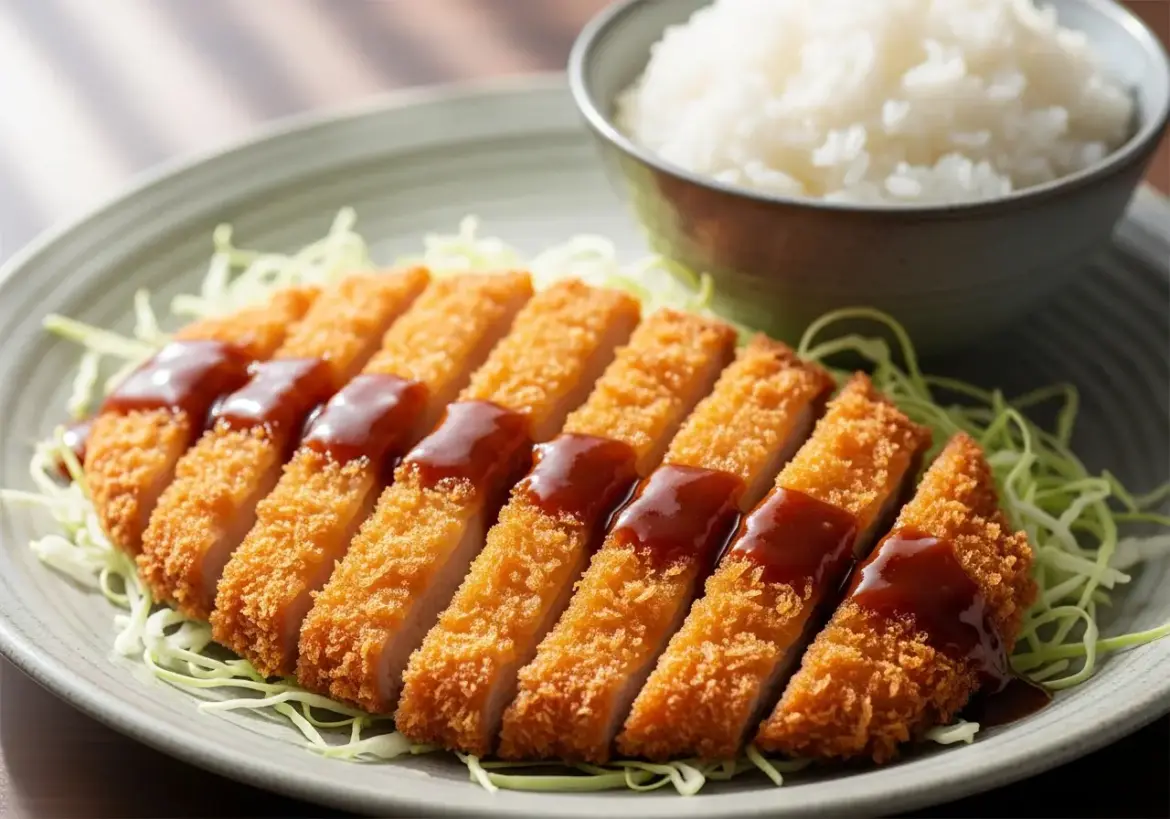
Japanese cooking prizes precision, balance and respect for the ingredient — clean dashi broths, delicate seasoning, and crisp, careful frying. It ranges from comforting bowls of ramen to golden katsu cutlets, and rewards good technique over long ingredient lists. Here is how to cook it well at home.
Essential Japanese ingredients
The Japanese pantry runs on soy sauce (shoyu), mirin, sake, miso, dashi (kombu and bonito) and short-grain rice. These few ingredients, balanced carefully, create the cuisine’s signature umami.
Japanese recipes to start with
Roll up your sleeves with our tested Japanese recipes — each with step-by-step instructions, a printable recipe card and pro tips:
Japanese cooking techniques
- Master dashi — the kombu-and-bonito stock is the foundation of countless dishes.
- Season with restraint — let the main ingredient shine.
- Panko and proper oil temperature give katsu its light, crunchy crust.
Frequently asked questions
What is the difference between shoyu and tamari?
Shoyu is wheat-and-soy soy sauce; tamari is mostly soy (often wheat-free) and richer. See our soy sauce guide.
What is dashi?
A light stock from kombu (kelp) and bonito flakes that gives Japanese food its umami base.
What makes Japanese cooking special
Japanese cooking is a profound culinary art defined by its unwavering respect for ingredients, seasonal harmony, and a philosophy of balance. Unlike cuisines that might rely on bold, complex sauces to define flavor, Japanese food often celebrates the inherent taste and texture of its components, enhanced by subtle seasonings and the foundational umami depth of dashi. Precision in preparation, from knife work to presentation, is paramount, reflecting an aesthetic appreciation that extends beyond taste to visual appeal. This approach results in dishes that are typically lighter, healthier, and incredibly nuanced, offering a sensory experience that is both refined and deeply satisfying, setting it apart through its dedication to purity, mindfulness, and the art of the understated.
Regional styles to know
- Kanto (Tokyo and surrounding areas): Characterized by stronger, darker flavors, often employing a dashi made predominantly from katsuobushi (bonito flakes) and darker soy sauce. Think of the robust broth of Tokyo-style ramen or the rich, savory-sweet glaze of unagi.
- Kansai (Osaka, Kyoto, Kobe): Known for lighter, more delicate flavors, with dashi often favoring kombu (kelp) for a subtle sweetness and lighter soy sauce to preserve the natural color of ingredients. Kyoto’s Kyo-ryori (Kyoto cuisine) exemplifies this refined, seasonal approach.
- Hokkaido: Reflecting its northern climate and abundant natural resources, Hokkaido cuisine features hearty seafood (crab, sea urchin), dairy products (butter ramen), and warming hot pot dishes. Miso ramen, often topped with corn and butter, is a regional icon.
- Okinawa: With its unique history and subtropical climate, Okinawan cuisine incorporates influences from China and Southeast Asia. It’s famous for its focus on pork, bitter melon (goya), and a distinct “longevity diet” rich in vegetables and lean proteins.
Tips for cooking Japanese food at home
- Start with the basics: Don’t jump straight into intricate sushi rolls. Begin with foundational dishes like miso soup, simple donburi (rice bowls), or stir-fries like teriyaki chicken, which build confidence with essential Japanese flavors and techniques.
- Invest in quality core ingredients: Good quality soy sauce, mirin, sake, and rice vinegar make a significant difference. For dashi, having kombu and katsuobushi on hand will elevate nearly every dish compared to instant granules.
- Practice your knife skills: Japanese cooking often emphasizes precise cuts (e.g., julienned vegetables, evenly sliced fish) not just for presentation, but for even cooking and texture. Even basic chopping practice will improve your results.
- Embrace “mise en place”: Many Japanese dishes cook quickly, so having all your ingredients prepped, measured, and ready to go before you start cooking is crucial for success and reducing stress.
- Don’t fear dashi: Homemade dashi is the soul of much Japanese cooking and is surprisingly simple to make. Master a basic kombu-katsuobushi dashi, and a world of authentic flavors will open up to you.
More frequently asked questions
How can I make Japanese food healthier at home?
Japanese cuisine is inherently healthy, but you can enhance it further by focusing on fresh, seasonal vegetables, lean proteins like fish and tofu, and whole grains. Reduce oil when sautéing, opt for broiling or steaming instead of deep-frying, and control portion sizes of rice. Making your own dashi from scratch avoids additives, and minimizing excessive sugar in glazes like teriyaki can also contribute to a healthier meal.
What’s the difference between common types of Japanese soy sauce?
The most common is Koikuchi Shoyu (dark soy sauce), an all-purpose variety with a balanced flavor and aroma. Usukuchi Shoyu (light soy sauce) is saltier than koikuchi but has a lighter color, often used in Kansai cuisine to maintain the natural color of ingredients. Tamari Shoyu is typically gluten-free, darker, and boasts a richer, less salty, and more umami-forward flavor, often used for dipping or as a finishing sauce. There’s also Shiro Shoyu (white soy sauce), which is very light in color and delicate in flavor, used when minimal color alteration is desired.
Can I substitute ingredients in Japanese recipes?
While some flexibility exists, especially with vegetables or protein choices (e.g., chicken for pork in some stir-fries), it’s best to stick to core Japanese seasonings like dashi, soy sauce, mirin, and sake. These ingredients create the distinctive flavor profile. Substituting them drastically can alter the dish’s authenticity. If you must substitute, understand the role of the ingredient (e.g., sweetness, umami, acidity) and try to find a close match, but be aware the final taste may differ significantly.