
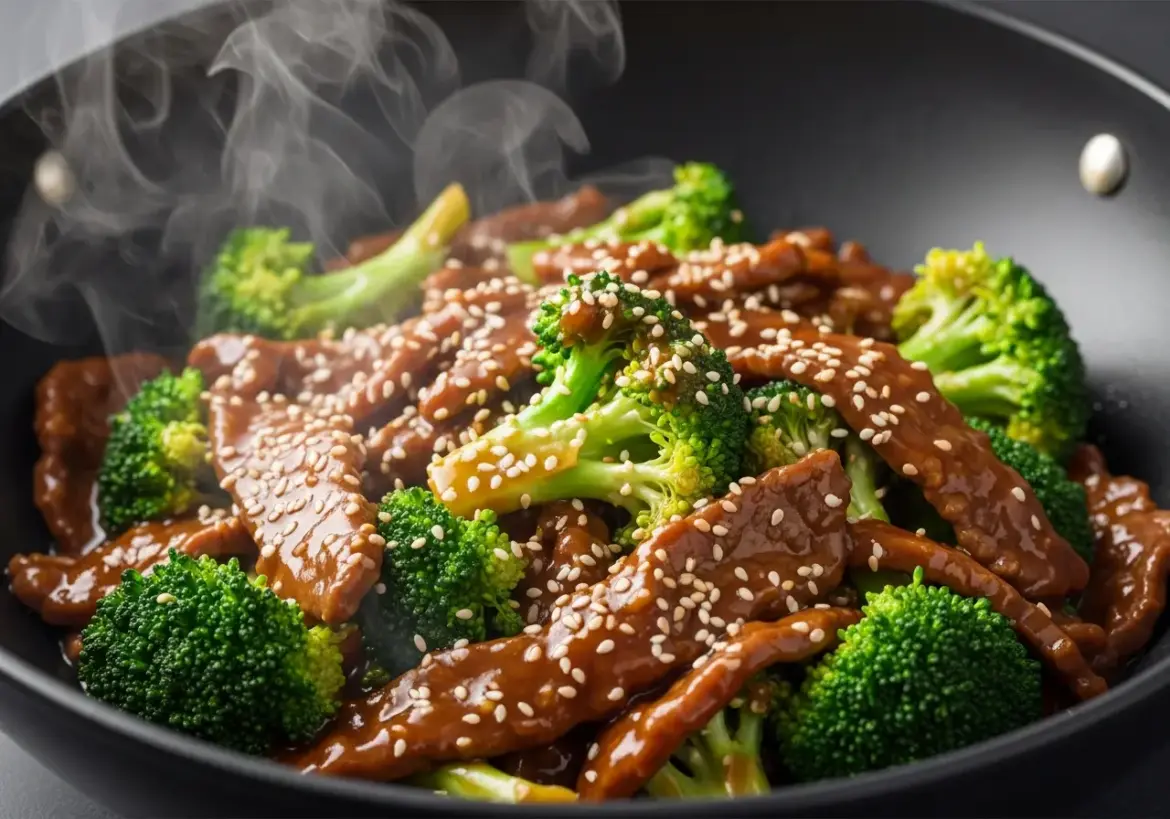
Chinese home cooking is fast, frugal and built around the wok — high heat, quick cooking, and glossy sauces that cling to every bite. From fragrant fried rice to velvety stir-fries, it turns a handful of pantry staples into restaurant-quality meals in minutes. This guide shows you how.
Essential Chinese ingredients
The Chinese pantry relies on light and dark soy sauce, oyster sauce, Shaoxing wine, sesame oil, ginger, garlic, scallions and cornstarch (for velveting and glossy sauces).
Chinese recipes to start with
Roll up your sleeves with our tested Chinese recipes — each with step-by-step instructions, a printable recipe card and pro tips:
Chinese cooking techniques
- Get the wok smoking hot — high heat (wok hei) is what gives stir-fries their character.
- Velvet your meat with cornstarch and a little baking soda for silky tenderness.
- Prep everything first — stir-frying happens in seconds, not minutes.
Frequently asked questions
What is the difference between light and dark soy sauce?
Light soy is saltier and used for seasoning; dark soy is thicker and used for color. See our soy sauce guide.
Do I need a wok?
A wok helps with high-heat stir-frying, but a large heavy skillet works for most home recipes.
What makes Chinese cooking special
Chinese cuisine stands apart through its profound philosophy of balance and harmony, not just in flavor but also in texture, aroma, and visual appeal. At its core is the pursuit of wèi (taste) and xiāng (aroma), achieved by meticulously balancing the five fundamental tastes—sweet, sour, salty, bitter, and umami (often with a spicy element)—within a single dish. This intricate interplay is often elevated by wok hei, the “breath of the wok,” a coveted smoky aroma and caramelized char imparted by cooking at intensely high heat. What truly sets it apart is its incredible regional diversity, showcasing a vast array of fresh, seasonal ingredients transformed through precise knife work and rapid cooking techniques like stir-frying, steaming, and braising, creating dishes that are as texturally dynamic as they are flavorful.
Regional styles to know
- Sichuan Cuisine (川菜 Chuāncài): Famous for its bold, pungent, and often fiery flavors, characterized by the iconic málà (numbing and spicy) sensation derived from Sichuan peppercorns and dried chilies.
- Cantonese Cuisine (粤菜 Yuècài): Emphasizes the natural flavors of fresh, high-quality ingredients, often utilizing steaming, stir-frying, and roasting to create delicate, nuanced dishes.
- Hunan Cuisine (湘菜 Xiāngcài): Known for its dry heat and sourness, often spicier than Sichuan cuisine but without the numbing effect, relying heavily on fresh chilies, garlic, and shallots.
- Jiangsu Cuisine (苏菜 Sūcài): Characterized by its delicate, slightly sweet flavors, often featuring beautifully presented dishes that are stewed or braised in rich broths.
Tips for cooking Chinese food at home
- Master Your Mise en Place: Due to the high heat and rapid cooking times, have all your ingredients chopped, measured, and ready to go before you even turn on the stove. This prevents burning and ensures even cooking.
- Get Your Wok (or Pan) Screaming Hot: Whether you use a traditional wok or a large, heavy-bottomed skillet, preheat it thoroughly until it just begins to smoke before adding oil. This is crucial for achieving that authentic stir-fry char and preventing sticking.
- Don’t Overcrowd the Pan: Cooking too much food at once will lower the temperature of your wok, steaming your ingredients instead of stir-frying them. Cook in smaller batches if necessary to maintain high heat and achieve proper searing.
- Practice Basic Knife Skills: Uniformly sized ingredients cook evenly. Developing consistent chopping and slicing techniques for vegetables and meats will significantly improve your results.
- Balance Your Flavors: Taste as you go and don’t be afraid to adjust. Chinese cooking often involves a delicate balance of sweet, sour, salty, and umami. A dash more vinegar, a pinch of sugar, or a splash of soy sauce can transform a dish.
More frequently asked questions
What is “Wok Hei” and how do I achieve it at home?
“Wok Hei” (鑊氣), often translated as the “breath of the wok,” is a complex, smoky, and slightly charred aroma and flavor imparted to food cooked rapidly in a well-seasoned wok over intensely high heat. It results from the quick caramelization of sugars, the Maillard reaction, and the slight charring of ingredients as they interact with the superheated metal. To achieve it at home, ensure your wok is screaming hot before adding oil, cook in small batches to maintain that high temperature, and keep the ingredients moving constantly. While a powerful burner helps, proper technique and a seasoned wok are paramount.
Can I make Chinese food healthy?
Absolutely! Traditional Chinese cuisine inherently emphasizes fresh vegetables, lean proteins, and balanced flavors. To make your homemade Chinese dishes even healthier, you can reduce the amount of oil used in stir-fries, opt for steaming or poaching methods, significantly increase your vegetable portions, and be mindful of sodium levels in sauces. Making sauces from scratch allows you to control salt and sugar content, and incorporating whole grains like brown rice can further boost nutritional value.
What’s the difference between light and dark soy sauce?
Light soy sauce (生抽, shengchou) is thinner, saltier, and lighter in color. It’s the primary seasoning soy sauce, used to add umami and saltiness without significantly altering the color of your dish. Dark soy sauce (老抽, laochou) is thicker, less salty, much darker, and slightly sweeter due to added molasses or caramel coloring. Its main purpose is to impart a rich, beautiful mahogany color and a subtle sweetness to dishes, often used in braises or for marinating meats. They are not interchangeable if you want to achieve specific flavors and appearances.