
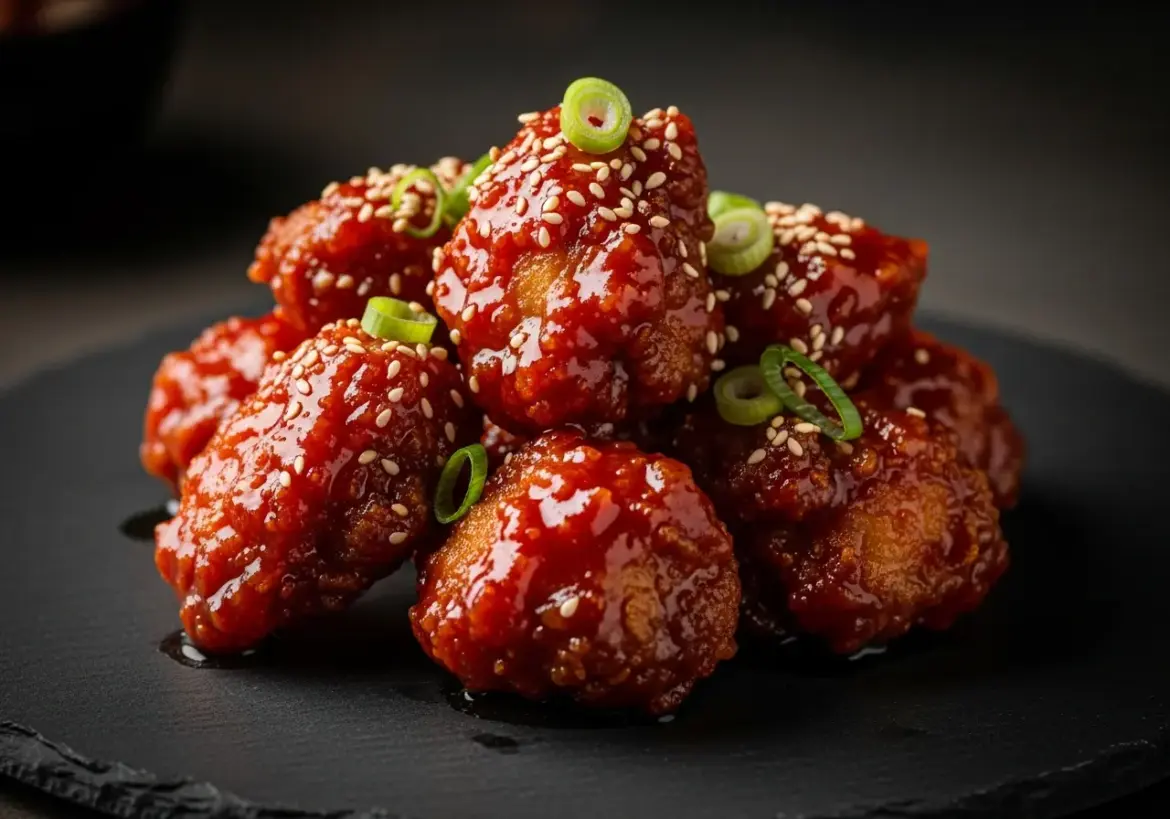
Korean food is bold, fermented and deeply satisfying — built on the savory heat of gochujang, the funk of kimchi, and the smoky char of the grill. It balances spicy, sweet and umami like few other cuisines, and rewards a well-stocked pantry with fast, flavor-packed meals. This guide covers the essentials.
Essential Korean ingredients
The Korean pantry centers on gochujang (fermented chili paste), gochugaru (chili flakes), soy sauce, sesame oil, garlic, ginger and toasted sesame seeds. Kimchi and fermented pastes add the signature depth.
Korean recipes to start with
Roll up your sleeves with our tested Korean recipes — each with step-by-step instructions, a printable recipe card and pro tips:
- Korean Fried Chicken (Dakgangjeong)
- Korean Beef Bulgogi (Marinated BBQ Beef)
- Korean Bibimbap (Mixed Rice Bowl)
Korean cooking techniques
- Marinate for flavor and tenderness — grated pear and soy are the secret to bulgogi.
- Build layers of gochujang, garlic and sesame for that craveable balance.
- Double-fry for shatter-crisp Korean fried chicken.
Frequently asked questions
What is gochujang?
A thick, fermented red chili paste that is sweet, savory and spicy — the backbone of Korean cooking. See our gochujang guide.
Is Korean food always spicy?
No — many dishes like bulgogi and japchae are mild and savory rather than hot.
What makes Korean cooking special
Korean cuisine stands out for its profound emphasis on balance, fermentation, and the vibrant interplay of its core flavor profiles: savory, spicy, sweet, sour, and sometimes bitter. At its heart is the unparalleled culture of fermentation, epitomized by kimchi, but extending to the foundational pastes like gochujang (chili paste) and doenjang (fermented soybean paste), which lend deep umami and complexity to countless dishes. Unlike many cuisines that build flavor in layers, Korean cooking often presents a harmonious symphony of these diverse tastes in a single bite, creating a dynamic and incredibly satisfying experience. The concept of banchan – a spread of small, often vegetable-based side dishes – further defines its character, promoting communal eating and ensuring a well-rounded meal that is both nutritious and incredibly flavorful, often reflecting the seasonality of ingredients.
Regional styles to know
- Jeolla-do (Southwest): Renowned for its rich, complex flavors, generous banchan spreads, and exceptional fermented foods. Look for dishes like Damyang tteokgalbi (grilled short rib patties) or the abundant seafood stews from Mokpo.
- Gyeongsang-do (Southeast): Characterized by bolder, spicier, and often saltier flavors, reflecting the region’s hearty spirit. A prime example is Andong jjimdak (braised chicken with vegetables and glass noodles), known for its robust, savory-spicy sauce.
- Gangwon-do (East): Influenced by its mountainous terrain and coastline, this region’s food is often simple, rustic, and incorporates local ingredients like potatoes, buckwheat, and fresh seafood. Try gamja-ongsimi (potato dumpling soup), a hearty and comforting dish.
- Chungcheong-do (Central): Known for its milder, cleaner, and often more subtle flavors, with a focus on fresh ingredients and seafood from its western coast. Earthenware pot rice with various grains (sotbap) is a representative example, showcasing the natural taste of ingredients.
Tips for cooking Korean food at home
- Stock Your Pantry Smartly: Invest in essential Korean staples like gochujang, doenjang, gochugaru (chili flakes), soy sauce, sesame oil, and toasted sesame seeds. Having these on hand makes spontaneous Korean cooking much easier.
- Embrace Mise en Place: Many Korean dishes cook quickly, especially stir-fries and soups. Prepare all your ingredients (chop vegetables, marinate meat, measure sauces) before you start cooking to ensure a smooth and successful process.
- Taste and Adjust Seasoning: Korean cooking relies heavily on balancing sweet, salty, spicy, and umami. Don’t be afraid to taste as you go and adjust seasonings like soy sauce, sugar, or gochujang to your preference.
- Start with Banchan: Learning to make a few simple banchan (side dishes) like seasoned spinach, bean sprouts, or quick cucumber kimchi is a fantastic way to get comfortable with Korean flavors and techniques without committing to a complex main dish.
- Don’t Fear Fermentation (or Buy It!): While making your own kimchi is a rewarding journey, don’t hesitate to buy high-quality pre-made kimchi and other fermented ingredients. They are crucial to authentic Korean flavors and are readily available in most Asian markets.
More frequently asked questions
Is Korean food always spicy?
While many popular Korean dishes are known for their fiery kick (thanks to gochujang and gochugaru), it’s a common misconception that all Korean food is spicy. In reality, Korean cuisine boasts a vast array of flavors, including many mild, savory, sweet, and tangy dishes. Think of savory bulgogi (marinated grilled beef), comforting seolleongtang (ox bone soup), refreshing naengmyeon (cold noodles), or many varieties of mild banchan. The level of spiciness can also often be adjusted to personal preference when cooking at home, by simply reducing or omitting chili products.
What’s the best way to store Korean pantry staples like gochujang and doenjang once opened?
For optimal freshness and to prevent mold, always store opened gochujang (Korean chili paste) and doenjang (fermented soybean paste) in the refrigerator. Ensure they are in airtight containers or tightly sealed in their original packaging. Some people like to place a piece of plastic wrap directly on the surface of the paste before sealing the lid to further minimize air exposure. Stored this way, they can last for many months, even up to a year, maintaining their flavor and quality.
Can I substitute ingredients if I can’t find specific Korean items?
While some core Korean ingredients like gochujang, doenjang, and gochugaru are quite unique and difficult to replicate perfectly, minor substitutions are sometimes possible. For instance, if you can’t find Korean radish (mu), daikon radish can be a decent substitute in some contexts, though the flavor will differ slightly. For some vegetables, similar texture and flavor profiles can work. However, for the foundational pastes and chili flakes, it’s highly recommended to source authentic Korean ingredients as they are crucial for achieving the distinctive taste of Korean cuisine. Substituting them might result in a dish that lacks the true Korean character.