
AIO Kitchen
  • Home
  • Recipes
  • Guides
  • Reviews
  • About AIO Kitchen
  • Contact
  • Cuisines
    • Vietnamese
    • Thai
    • Korean
    • Japanese
    • Chinese
  • English
    • Français
    • Deutsch
    • 日本語
    • 한국어
    • Español
    • Tiếng Việt
AIO Kitchen
Tested recipes · smart guides · honest reviews
Home - Guides
Category:

Guides

Practical cooking guides and how-tos — techniques, ingredient explainers and kitchen know-how to help you cook with confidence.
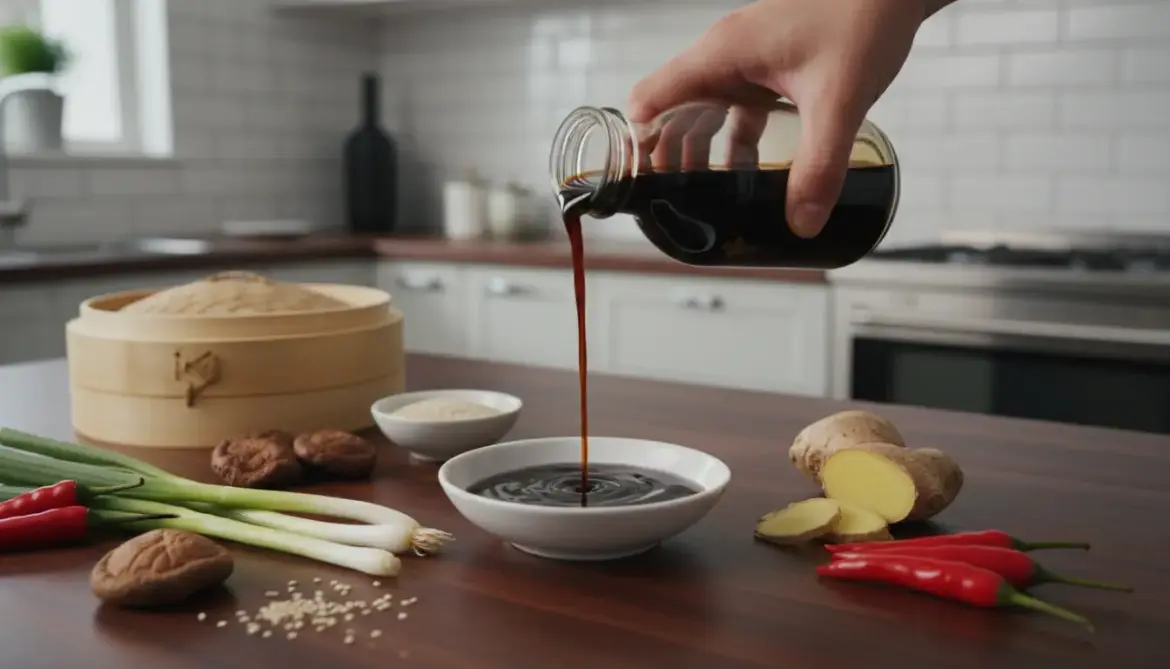
A collection of different soy sauce bottles: light, dark, shoyu, and tamari varieties.
Guides

Soy Sauce Guide: Light, Dark, Shoyu & Tamari

by D L May 25, 2026
written by D L

Soy Sauce Guide: Light, Dark, Shoyu & Tamari

Welcome to the definitive AIO Kitchen guide to soy sauce, an indispensable ingredient that elevates countless dishes across global cuisines. Beyond a simple condiment, soy sauce is a complex fermented liquid offering umami, salinity, and depth. Understanding its nuances is key to unlocking its full potential in your kitchen. Let’s dive deep into its varieties, how to select the best, proper storage, expert cooking techniques, and even smart substitutions.

The Main Types of Soy Sauce

While often used interchangeably, different soy sauces boast distinct flavor profiles, colors, and intended uses. Knowing the differences can transform your cooking.

Japanese Soy Sauce (Shoyu)

The most common type found in Western supermarkets, Shoyu is typically brewed with equal parts soybeans and wheat, creating a balanced, slightly sweet, and complex flavor profile. Its wheat content makes it unsuitable for gluten-free diets.

  • Koikuchi Shoyu (Dark/Regular Soy Sauce): This is your everyday, all-purpose Japanese soy sauce. It has a reddish-brown hue, a robust aroma, and a balanced saltiness. Use it for marinades, dipping, stir-fries, and general seasoning.
  • Usukuchi Shoyu (Light Soy Sauce): Don’t let the name fool you – “light” refers to its lighter color, not its sodium content (it’s often saltier than koikuchi). Usukuchi is typically used in Kansai-style Japanese cooking where preserving the natural color of ingredients is important, such as in clear soups or nimono (simmered dishes). It has a sharper, saltier taste.
  • Tamari: Traditionally, tamari is a byproduct of miso production and contains little to no wheat, making it an excellent gluten-free alternative. Modern tamari is often brewed specifically as a soy sauce, still with significantly less or no wheat. It has a darker color, richer flavor, and slightly thicker consistency than koikuchi, with a less sweet, more pronounced umami profile. Ideal for dipping, glazes, and gluten-free cooking.
  • Shiro Shoyu (White Soy Sauce): Made with a higher proportion of wheat to soybeans, shiro shoyu is almost clear or very pale yellow. It has a delicate, subtly sweet flavor and is used when you want the umami of soy sauce without affecting the color of a dish, such as in chawanmushi (savory egg custard) or light broths.
  • Saishikomi Shoyu (Double-Brewed Soy Sauce): Instead of brewing with salt water, saishikomi is brewed with existing raw soy sauce. This results in an exceptionally dark, intensely flavorful, and highly aromatic soy sauce. It’s often reserved as a finishing sauce or for dipping premium sashimi, offering a profound depth of umami.

Chinese Soy Sauce

Chinese soy sauces often prioritize different characteristics, with distinct light and dark varieties.

  • Light Soy Sauce (Sheng Chou): This is the most common Chinese soy sauce, similar in function to Japanese koikuchi but often saltier and with a thinner consistency. It’s used for general seasoning, dipping, stir-fries, and adding a savory kick without darkening the dish too much. Look for “first extract” (头抽, tóuchōu) for the highest quality, most aromatic light soy sauce.
  • Dark Soy Sauce (Lao Chou): Thicker, darker, and slightly sweeter than light soy sauce, dark soy sauce gets its color from a longer aging process and often the addition of caramel coloring and/or molasses. Its primary purpose is to add rich color and a subtle sweetness to dishes like braises (e.g., Hongshao Rou – Red Braised Pork Belly) and stews, while also contributing a mellow umami. It’s less salty than light soy sauce.
  • Mushroom Flavored Dark Soy Sauce: A variation of dark soy sauce infused with dried straw mushrooms, adding an extra layer of earthy umami. Excellent for vegetarian braises or dishes where you want to deepen savory notes.

Other Asian Soy Sauces

  • Korean Ganjang: Traditionally, Korean ganjang (often called Joseon ganjang or soup soy sauce) is a byproduct of doenjang (fermented soybean paste) production. It’s very salty, dark, and intensely flavored, primarily used for seasoning soups and stews. Modern Korean soy sauces (Yangjo ganjang) are more similar to Japanese koikuchi.
  • Indonesian Kecap Manis: A thick, sweet soy sauce made with palm sugar, star anise, galangal, and other aromatics. It’s a staple in Indonesian cooking, used for marinades, grilling, and as a dipping sauce. It’s much sweeter and less salty than other soy sauces.

How to Choose a Good Soy Sauce

Selecting a quality soy sauce can dramatically impact your dish. Here’s what to look for on the label and in the bottle:

  • “Naturally Brewed” or “Traditional Brewed”: This is paramount. Good soy sauce is fermented over months using soybeans, wheat (for shoyu), salt, and water, sometimes with koji mold (Aspergillus oryzae). Avoid “hydrolyzed vegetable protein” or “chemical soy sauce,” which are rapidly produced, lack complexity, and often contain artificial colors and flavors.
  • Ingredients List: A short, simple list is best: water, soybeans, wheat (if not tamari), salt. Some may include alcohol as a preservative.
  • First Press/First Extract (特級, Tokkyu or 头抽, Tóuchōu): Similar to extra virgin olive oil, “first press” indicates the initial liquid extracted from the fermentation process, yielding the purest, most aromatic, and flavorful soy sauce. It’s excellent for finishing dishes or dipping.
  • Aging Period: While not always explicitly stated, longer fermentation (6+ months) generally leads to deeper, more complex flavors. Some premium varieties are aged for years.
  • Clarity and Color: A good soy sauce should be clear, not cloudy. The color should be appropriate for its type (e.g., reddish-brown for koikuchi, very dark for lao chou).
  • Brand Reputation: Stick with reputable, established brands known for quality, such as Kikkoman (Japanese), Yamasa (Japanese), Lee Kum Kee (Chinese), or Pearl River Bridge (Chinese).
  • Gluten-Free Needs: If gluten-intolerant, always opt for Tamari and verify the “gluten-free” certification on the label. Not all tamari is 100% wheat-free, though most modern brands are.

How to Store Soy Sauce

Proper storage ensures your soy sauce retains its flavor and quality over time.

  • Unopened: Store unopened bottles in a cool, dark pantry away from direct sunlight or heat. They can last for 2-3 years past the printed “best by” date if stored correctly, though quality might subtly diminish.
  • Opened: Once opened, soy sauce is best stored in the refrigerator. While its high salt content makes it resistant to spoilage, refrigeration slows down oxidation and flavor degradation. An opened bottle will maintain optimal quality for about 6 months in the fridge. Beyond that, it’s still safe to consume, but its aroma and complexity will gradually fade, becoming flatter.
  • Small Bottles are Better: If you don’t use soy sauce frequently, consider buying smaller bottles. This reduces the surface area exposed to air and light, minimizing oxidation.
  • Avoid Extreme Temperatures: Freezing is not recommended as it can alter the texture and flavor. High heat will accelerate degradation.

How to Use Soy Sauce in Cooking

Soy sauce is incredibly versatile. Here’s how to deploy its power effectively:

Marinades

Soy sauce is a fantastic base for marinades, tenderizing proteins and infusing them with umami. For chicken or pork, use a ratio of 1/4 cup soy sauce (koikuchi or light Chinese) to 2 tablespoons mirin, 1 tablespoon rice vinegar, 1 tablespoon sesame oil, 2 cloves minced garlic, and 1 teaspoon grated ginger. Marinate for at least 30 minutes, or up to 4 hours for chicken/pork, and 1-2 hours for fish. For tougher cuts of beef, you can extend to overnight. Always pat protein dry before searing for a better crust.

Stir-Fries

Add soy sauce towards the end of cooking to preserve its nuanced flavor. For a typical stir-fry serving 2-3 people, start with 2-3 tablespoons of light soy sauce (koikuchi or sheng chou), adding more to taste. If using dark soy sauce for color, add 1 teaspoon at a time. Ensure your wok is screaming hot (around 400-450°F / 200-230°C) before adding ingredients to achieve “wok hei.”

Dipping Sauces

For sushi, gyoza, or spring rolls, a simple soy sauce can be enhanced. For a balanced sushi dip, combine 2 parts tamari (for richness) with 1 part mirin and a dash of rice vinegar. For gyoza, mix 3 tablespoons light soy sauce, 1 tablespoon rice vinegar, 1 teaspoon sesame oil, and a pinch of chili flakes. Serve at room temperature.

Braising and Stewing

Dark soy sauce (Lao Chou) is ideal for adding deep color and rich, mellow umami to braised dishes like Chinese Red Braised Pork Belly (Hongshao Rou). For a typical 2-pound pork belly, you might use 1/4 cup dark soy sauce and 1/2 cup light soy sauce, alongside other liquids like Shaoxing wine and broth. Add dark soy sauce early in the braising process to allow its color to develop properly. Simmer gently (just a bare simmer, around 180-200°F / 82-93°C) for 1.5-2 hours until meat is fork-tender.

Soups and Broths

Especially Usukuchi Shoyu or Korean Ganjang are perfect for seasoning clear broths and soups without darkening them. Add incrementally, tasting as you go. For a standard 4-cup dashi or chicken broth, start with 1-2 teaspoons of usukuchi and adjust for salinity. It provides umami without overpowering delicate flavors.

Glazes and Dressings

Soy sauce forms the backbone of many savory glazes. For a teriyaki glaze, whisk together 1/4 cup soy sauce, 1/4 cup mirin, 2 tablespoons sake, 1 tablespoon sugar, and 1 teaspoon grated ginger. Simmer gently until slightly thickened (around 5-7 minutes over medium-low heat). Brush onto grilled salmon or chicken during the last few minutes of cooking. For vinaigrettes, combine 2 parts neutral oil (like grapeseed), 1 part rice vinegar, 1/2 part soy sauce, and a touch of honey or maple syrup.

Soy Sauce Substitutes

If you’re out of soy sauce or have dietary restrictions, here are some viable alternatives, keeping in mind they will alter the flavor profile slightly.

  • Tamari (for gluten-free): This is the closest substitute, especially if you need a gluten-free option. Use a 1:1 ratio. It’s darker and richer, so you might use slightly less if you prefer.
  • Coconut Aminos (for gluten-free, soy-free): Made from fermented coconut sap, it’s a good alternative for those avoiding both soy and gluten. It’s less salty and slightly sweeter than soy sauce. Use a 1:1 ratio, but expect to add more salt to your dish.
  • Liquid Aminos (for gluten-free, often soy-based): A liquid protein concentrate derived from soybeans (Bragg’s) or coconut sap (some brands). If soy-based, it’s gluten-free but not soy-free. It has a similar umami profile but is often milder. Use a 1:1 ratio, and again, you might need to adjust salt levels.
  • Fish Sauce (for umami, not vegetarian): Provides a powerful umami punch and salinity, but has a distinct pungent aroma that mellows during cooking. It’s not a direct flavor match. Use 1/2 to 1/3 the amount of fish sauce compared to soy sauce, then taste and adjust. Best in cooked dishes, not as a dipping sauce.
  • Worcestershire Sauce (for umami, not vegetarian, often contains gluten): Offers a savory, tangy, and slightly sweet flavor. Check ingredients as many brands contain anchovies and malt vinegar (gluten). Use 1/2 the amount of Worcestershire sauce compared to soy sauce and build up flavor.
  • Salt + Mushroom/Umami Powder: For a soy-free, gluten-free, and vegetarian option, combine a pinch of salt with a dash of mushroom powder (e.g., dried porcini mushroom powder) or nutritional yeast for umami. This won’t replicate the liquid texture or full complexity, but provides a savory base.

Frequently Asked Questions

Is soy sauce healthy?

Soy sauce is generally safe for consumption in moderation. Its primary concern is high sodium content, which can contribute to high blood pressure. Many brands now offer “reduced sodium” varieties, typically containing 25-40% less salt. While it offers some antioxidants and beneficial compounds from fermentation, it’s best viewed as a flavoring agent rather than a health food. For those with soy allergies or gluten intolerance, choose appropriate alternatives like tamari or coconut aminos.

What’s the difference between Chinese and Japanese soy sauce?

While both are fermented soybean products, the key differences lie in their brewing methods and ingredient ratios. Japanese soy sauce (shoyu) typically includes wheat (except tamari), resulting in a slightly sweeter, more balanced, and complex flavor. Chinese soy sauces often have distinct “light” (sheng chou, saltier, for seasoning) and “dark” (lao chou, less salty, thicker, for color and richness) varieties, with less emphasis on wheat in their light soy sauces. Japanese soy sauces are generally more aromatic and nuanced, while Chinese varieties are often more robust and functional for specific roles like coloring or intense seasoning.

Can I use light soy sauce as a substitute for dark soy sauce?

Not ideally, as they serve different purposes. Light soy sauce (whether Japanese usukuchi or Chinese sheng chou) is primarily for seasoning and adding umami without significantly darkening a dish. Dark soy sauce (Chinese lao chou) is thicker, less salty, and primarily used for its rich, deep color and subtle sweetness, especially in braises. If you only have light soy sauce, you can use it for seasoning, but your dish will lack the characteristic dark hue and mellow depth that dark soy sauce provides. There’s no perfect 1:1 substitute for dark soy sauce’s coloring properties.

Is soy sauce vegetarian/vegan?

Yes, traditional soy sauce (water, soybeans, wheat, salt) is inherently vegetarian and vegan. It does not contain animal products. However, always check the label if you are strictly vegan, as some flavored soy sauces or certain regional varieties might contain unexpected animal-derived ingredients (though this is rare for standard soy sauce). Tamari and coconut aminos are also vegan-friendly.
May 25, 2026 0 comments
0 FacebookTwitterPinterestEmail
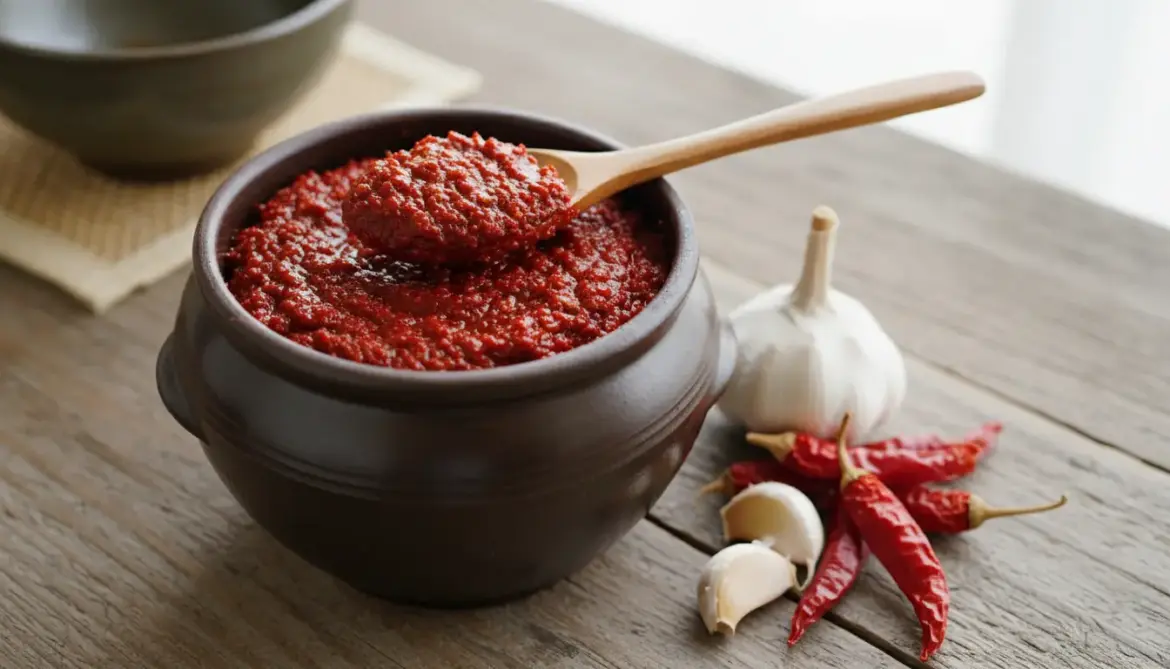
A vibrant red container of Korean gochujang paste, with a spoon scooping some out.
Guides

Gochujang 101: What It Is & How to Use It

by D L May 25, 2026
written by D L

Gochujang (고추장), the vibrant crimson star of Korean cuisine, is more than just a chili paste—it’s a fermented powerhouse of flavor. This thick, glossy condiment delivers a complex symphony of spicy, sweet, and savory notes, underpinned by a deep umami that’s utterly unique. Made primarily from gochugaru (Korean chili powder), glutinous rice, meju (fermented soybean powder), yeotgireum (barley malt powder), and salt, gochujang undergoes a traditional fermentation process, often in large earthenware pots called jangdok. This fermentation is what transforms simple ingredients into a paste with unparalleled depth, making it an indispensable ingredient in countless Korean dishes and a rising star in global kitchens.

The main types

While the core essence of gochujang remains consistent, you’ll encounter a few variations:

  • Standard/Commercial Gochujang: This is the most common type, widely available in tubs at Asian grocery stores and many mainstream supermarkets. Brands like Sempio, CJ CheilJedang (Bibigo), and Daesang (Chungjungone) dominate the market. These typically come in various spice levels (mild, medium, hot, very hot), clearly marked on the packaging.
  • Artisanal/Traditional Gochujang: Often made by smaller producers using time-honored methods, sometimes with longer fermentation periods. These can offer a more nuanced, complex flavor profile and often use higher-quality, locally sourced ingredients. They might be harder to find and more expensive.
  • Mat-Gochujang (Seasoned Gochujang): Literally “flavor gochujang,” this type is pre-mixed with additional ingredients like garlic, onion, sesame oil, soy sauce, and sometimes vinegar. It’s designed for convenience, often used directly as a dipping sauce or for quick bibimbap. While tasty, it lacks the versatility of pure gochujang for general cooking.
  • Spice Levels: Always check the label for the spice level, often indicated by Korean characters: 순한맛 (soon-han-mat, mild), 보통맛 (bo-tong-mat, medium), 매운맛 (mae-un-mat, hot), 아주 매운맛 (a-ju mae-un-mat, very hot).

How to choose a good one

Selecting the right gochujang can elevate your cooking. Here’s what to look for:

  • Ingredients List: Opt for gochujang with a short, natural ingredient list. Key components should be gochugaru, glutinous rice, meju (fermented soybean powder), salt, and barley malt powder. While some traditional gochujang uses rice syrup, be wary of excessive additives or a long list of unfamiliar ingredients.
  • Color: A good gochujang should have a deep, rich reddish-brown hue. Avoid pastes that are unnaturally bright red (which could indicate artificial coloring) or overly dark brown (which might suggest poor quality or excessive age).
  • Texture: It should be a thick, glossy, and relatively smooth paste. It shouldn’t be watery or overly grainy.
  • Fermentation Period: Premium or artisanal brands might highlight a longer fermentation period (e.g., 6 months, 1 year). Longer fermentation generally leads to deeper, more complex flavors.
  • Brand Reputation: Stick with well-known Korean brands like Sempio, CJ CheilJedang (Bibigo), or Daesang (Chungjungone) for reliable quality and consistency, especially when starting out.
  • Spice Level: Choose based on your personal preference. If you’re new to gochujang, start with a “mild” or “medium” variety and work your way up.

How to store it

Proper storage is key to maintaining gochujang’s flavor and preventing spoilage:

  • Unopened: An unopened tub of gochujang can be stored in a cool, dark pantry for 1-2 years, typically until the best-by date printed on the packaging.
  • Opened:
    • Refrigerate Immediately: Once opened, gochujang MUST be refrigerated.
    • Airtight Container: If the original tub isn’t perfectly airtight, transfer the gochujang to a clean, airtight container to prevent drying out and absorption of fridge odors.
    • Surface Protection: For extended storage, press a piece of plastic wrap directly onto the surface of the gochujang before sealing the container. This creates an extra barrier against air, which helps prevent oxidation and mold formation.
    • Longevity: Properly stored in the refrigerator, opened gochujang can last 6-12 months. Its flavor may deepen slightly over time, but it should remain safe to consume.
    • Mold: If you ever see mold on the surface of your gochujang, discard the entire batch. Do not attempt to scrape off the mold, as its roots can penetrate deeper into the paste.
  • How to use it in cooking

    Gochujang’s unique flavor profile—spicy, sweet, savory, and packed with umami—makes it incredibly versatile. Here are specific techniques and applications:

  • Sauces & Marinades: This is where gochujang truly shines.
    • Bibimbap Sauce: Combine 2 tbsp gochujang, 1 tbsp sesame oil, 1 tbsp sugar or honey, 1 tbsp rice vinegar, 1 tsp minced garlic, and 1 tbsp water or dashi. Mix well and drizzle over rice and vegetables.
    • Tteokbokki Sauce: For a classic street food, simmer 3-4 tbsp gochujang with 1 tbsp gochugaru, 2 tbsp soy sauce, 2 tbsp sugar, 2 cloves minced garlic, and 3-4 cups anchovy-kelp dashi (or water). Add rice cakes and fish cakes and cook until thickened.
    • Meat Marinades (Pork Belly, Chicken, Tofu): Whisk together 3 tbsp gochujang, 2 tbsp soy sauce, 1 tbsp sesame oil, 1 tbsp minced garlic, 1 tsp minced ginger, 1 tbsp sugar or honey, and 1 tbsp mirin or rice wine for every 1 lb of protein. Marinate for at least 30 minutes, or ideally overnight, before grilling, stir-frying, or roasting.
  • Stews & Soups: Gochujang adds depth and a comforting warmth.
    • Gochujang Jjigae (Korean Chili Paste Stew): Incorporate 2-3 tablespoons of gochujang per 4 servings into your broth base (e.g., dashi or vegetable broth) early in the cooking process. This allows the flavor to meld with other ingredients like pork, tofu, and vegetables.
    • Kimchi Jjigae: A spoonful (1-2 tbsp) can be added to your kimchi stew for an extra layer of richness and heat.
  • Dipping Sauces: A quick mix transforms it into a fantastic dip.
    • Simple Dipping Sauce: Combine 2 tbsp gochujang, 1 tbsp rice vinegar, 1 tsp sugar, 1 tsp sesame oil, and a sprinkle of toasted sesame seeds. Great for fried foods, raw vegetables, or grilled meats.
  • Stir-fries: Introduce a Korean kick to your stir-fries.
    • Technique: Dissolve 1-2 tablespoons of gochujang into a small amount of liquid (water, broth, soy sauce) before adding it to your stir-fry sauce. Add the sauce towards the end of cooking to prevent the gochujang from burning, which can lead to a bitter taste.
  • Dressings & Modern Applications: Get creative!
    • Gochujang Mayo: Whisk 1 tablespoon of gochujang into ½ cup of mayonnaise for a spicy, creamy spread perfect for sandwiches, fries, or burgers.
    • Gochujang Butter: Mix softened butter with a teaspoon or two of gochujang for a flavorful compound butter to melt over corn on the cob, grilled steak, or toast.
    • Glazes: Thin gochujang with a little honey or maple syrup and brush over roasted vegetables (like Brussels sprouts or carrots) or chicken wings during the last 10-15 minutes of cooking.
  • Cooking Tips:
    • Start Small: Gochujang is potent. Begin with 1-2 teaspoons for a dish serving 2-4 people and adjust to your spice preference.
    • Bloom It: For deeper flavor, briefly sauté gochujang with aromatics like minced garlic and onion in a little oil for 1-2 minutes before adding other liquids or ingredients. This “blooming” process helps release its full flavor potential.
    • Balance Flavors: Always balance gochujang’s heat and sweetness with other elements: acidity (vinegar, citrus), salt (soy sauce), and additional umami (dashi, mushrooms, miso).
  • Substitutes

    Gochujang’s unique fermented, sweet, and savory heat is difficult to replicate perfectly. However, if you’re in a pinch, you can create approximations that offer a similar profile:

  • For Heat, Sweetness, and Fermented Depth:
    • Sriracha + White Miso Paste + Sugar: This is arguably the closest approximation. Sriracha provides the chili heat and some sweetness, white miso contributes fermented savory depth, and additional sugar balances the flavors.
    • Ratio: Start with 2 parts Sriracha, 1 part white miso paste, and 0.5-1 part sugar (adjust to taste). Mix thoroughly until smooth.
    • Chili Garlic Sauce + White Miso Paste + Sugar: Similar to the Sriracha blend, but chili garlic sauce offers a coarser texture and more pronounced fresh garlic notes. Use the same ratio as above.
  • If you have Gochugaru (Korean Chili Powder):
    • Tomato Paste + Gochugaru + Sugar + Soy Sauce: Tomato paste provides body and a touch of acidity, gochugaru delivers the authentic Korean chili flavor, sugar adds sweetness, and soy sauce contributes saltiness and umami.
    • Ratio: Mix 1 part tomato paste, 1 part gochugaru, 0.5-1 part sugar, and 0.5 part soy sauce. Add a tiny bit of water if needed to achieve a paste-like consistency.
  • For Just Heat (without the complex flavor):
    • Any red chili paste like sambal oelek or harissa can provide heat, but you’ll miss the sweetness, fermented notes, and unique umami of gochujang. These are best used when the recipe primarily calls for gochujang for its spice, and other ingredients can compensate for the missing flavor dimensions.
  • Important Note: These are approximations. None will fully capture the nuanced, fermented complexity of authentic gochujang. For the best results, investing in a tub of gochujang is highly recommended!

    Frequently asked questions

    Is gochujang gluten-free?

    Traditionally, gochujang is not gluten-free. It contains glutinous rice and barley malt powder, both of which contain gluten. However, due to increasing demand, several brands now offer gluten-free versions. These typically substitute barley malt with rice syrup or other gluten-free thickeners. If you require a gluten-free product, always check the ingredient label carefully and look for a “gluten-free” certification on the packaging.

    Is gochujang vegan?

    Yes, traditional gochujang is typically vegan. Its core ingredients—gochugaru, glutinous rice, fermented soybean powder (meju), barley malt, and salt—are all plant-based. Animal products are not part of the standard recipe. However, as with any processed food, it’s always a good practice to quickly scan the ingredient list if you have strict dietary requirements, though it’s rare to find non-vegan ingredients in standard gochujang.

    How spicy is gochujang?

    The spice level of gochujang varies significantly by brand and specific product. Most commercial gochujang ranges from a medium to hot heat. However, it’s a “round” heat—often balanced by its inherent sweetness and savory umami—rather than a sharp, purely capsaicin burn. Many brands label their gochujang with spice levels: 순한맛 (soon-han-mat, mild), 보통맛 (bo-tong-mat, medium), 매운맛 (mae-un-mat, hot), and 아주 매운맛 (a-ju mae-un-mat, very hot). If you’re sensitive to spice, start with a mild version and adjust to your preference.

    Can I eat gochujang raw?

    Absolutely! Gochujang is frequently used raw, particularly as a dipping sauce or mixed directly into dishes like bibimbap. When eaten raw, its complex fermented flavors are very pronounced. While cooking gochujang (especially by briefly sautéing it with aromatics) can deepen certain notes, it is perfectly safe and delicious to consume straight from the tub (often mixed with other ingredients to create a balanced sauce).

    May 25, 2026 0 comments
    0 FacebookTwitterPinterestEmail
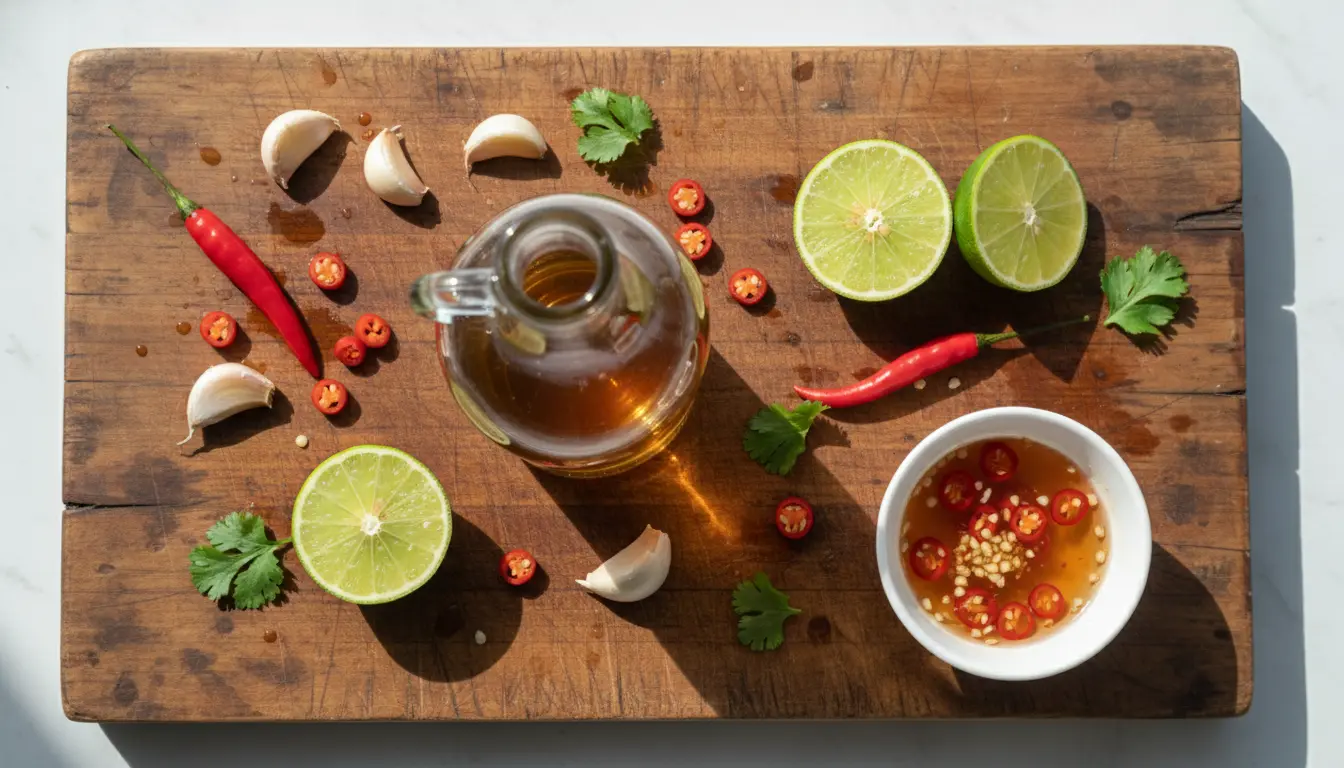
    Bottle of Vietnamese fish sauce with garlic, chili and lime
    Guides

    Fish Sauce 101: Types, Quality & How to Use It

    by D L May 24, 2026
    written by D L

    Fish sauce is one of the culinary world’s most potent secret weapons. A staple in Southeast Asian kitchens, this fermented fish condiment is a powerhouse of umami, capable of transforming bland dishes into flavor explosions. If you’ve ever wondered how to unlock its full potential, choose the best bottle, or even what to do when you’re out, you’ve come to the right place. Welcome to your comprehensive guide to all things fish sauce!

    The main types

    While the core concept of fermented fish and salt remains constant, regional variations in fish type, fermentation methods, and aging result in distinct flavor profiles. Understanding these nuances can help you choose the perfect bottle for your culinary adventures.

    • Thai Fish Sauce (Nam Pla): Often made from anchovies, Nam Pla is typically clear, reddish-brown, and boasts a balanced profile of salty, sweet, and deeply savory umami. Fermentation usually lasts 12-18 months. Brands like Tiparos, Squid Brand, and Megachef are popular choices. It’s excellent for stir-fries, curries, and dipping sauces.
    • Vietnamese Fish Sauce (Nước Mắm): Primarily made from anchovies, Vietnamese fish sauce is renowned for its clarity and complexity. Premium versions, known as “Nước Mắm Nhĩ” (first press), are highly prized for their intense, pure flavor and often have a higher nitrogen content. Brands like Red Boat (which is also produced in Vietnam) and Three Crabs are widely available. It’s indispensable for dipping sauces (Nước Chấm), marinades, and seasoning soups like Pho.
    • Filipino Fish Sauce (Patis): While also made from anchovies, Patis can sometimes incorporate other small fish like galunggong. It tends to be saltier and can have a more pronounced, robust “fishy” aroma compared to its Thai or Vietnamese counterparts. It’s often used as a table condiment, in stews like Sinigang, or as a base for dipping sauces. Rufina and Lorins are common brands.
    • Korean Fish Sauce (Aekjeot): Commonly made from anchovies or sand lance, Korean fish sauce is a critical ingredient in making kimchi, providing essential umami and aiding in fermentation. It’s very pungent and salty, with a distinct flavor profile that stands up to strong spices. Brands include CJ Beksul and Sempio.
    • Japanese Fish Sauce (Shottsuru/Ishiru): Less globally recognized but historically significant, Japanese fish sauces are often made from sandfish (hatahata) or squid. They tend to be milder and more delicate in umami, used in specific regional dishes and broths, particularly in the Akita and Ishikawa prefectures.

    How to choose a good one

    Selecting a quality fish sauce can significantly impact your cooking. Here’s what to look for:

    • Ingredients List: The best fish sauces have the shortest ingredient lists: fish (usually anchovies), salt, and water. Avoid brands that list sugar, MSG, artificial colors, or preservatives. A good fish sauce doesn’t need additives to taste great.
    • Color and Clarity: A high-quality fish sauce should be clear and range from a rich amber to a reddish-brown, similar to strong black tea. Avoid murky, cloudy, or overly dark/black fish sauces, which can indicate impurities or poor processing. Pale, yellowish versions might be watered down or less flavorful.
    • Aroma: This is where it gets tricky. Good fish sauce will smell pungent, savory, and briny, with a complex, almost cheesy or mushroomy depth. It should NOT smell rotten, overly sulfuric, or harshly chemical. The “fishy” smell should be pleasant and integrated, not offensive.
    • Taste: Expect a strong salty punch upfront, but it should quickly give way to a profound umami flavor, often with a subtle sweetness and no bitter or metallic aftertaste. A balanced fish sauce offers complexity beyond just salt.
    • Nitrogen Content (Protein): Many premium fish sauces indicate their nitrogen content in degrees (e.g., 30°N, 40°N). This refers to the amount of amino acid nitrogen, which directly correlates with umami intensity. Higher numbers (30°N and above) generally signify a more potent, higher-quality product. Red Boat 40°N is a prime example of a top-tier choice.
    • “First Press” (Nước Mắm Nhĩ): If you see this term, especially on Vietnamese brands, it indicates the first liquid drawn off during fermentation. This is akin to extra virgin olive oil—it’s the purest, most concentrated, and most flavorful extract.

    How to store it

    Fish sauce is remarkably stable, thanks to its high salt content. Proper storage ensures its flavor and quality are maintained for a long time.

    • Unopened: Store unopened bottles in a cool, dark pantry away from direct sunlight or heat. It can last for several years, often well past the printed best-by date, without significant degradation.
    • Opened:
      • Pantry vs. Refrigerator: Once opened, fish sauce can be stored in the pantry or refrigerator. For most home cooks, storing it in a cool, dark pantry is perfectly fine for 1-2 years. The high salt content acts as a natural preservative.
      • Refrigeration: While not strictly necessary, refrigerating opened fish sauce, especially in warmer climates, can help preserve its peak flavor and aroma for an even longer period (up to 3 years or more) and prevent any subtle flavor changes.
      • Tight Seal: Always ensure the cap is tightly sealed after each use. This prevents oxidation, which can subtly alter the flavor over time, and also contains its pungent aroma from permeating your pantry or fridge.
      • Crystallization: Don’t be alarmed if you see salt crystals forming at the bottom or around the neck of the bottle, especially if stored in a cooler environment. This is a natural occurrence due to the high salt concentration and does not affect quality. Simply shake the bottle or warm it gently to dissolve them.

    How to use it in cooking

    Fish sauce is incredibly versatile, adding depth and complexity to a wide array of dishes. Here’s how to integrate it into your cooking like a pro:

    • As an Umami Booster:
      • Soups and Stews: Add 1-2 teaspoons per quart of liquid to broths, curries, and stews (like Pho, Tom Yum, or even a hearty beef stew) during the last 15-30 minutes of simmering. It deepens the savory notes without adding a noticeable “fishy” flavor.
      • Marinades: Essential for grilled meats. Combine 1-2 tablespoons of fish sauce with soy sauce, sugar, garlic, ginger, and lime juice for pork, chicken, or beef. Marinate for at least 30 minutes, or ideally 4-8 hours in the refrigerator for maximum flavor penetration.
      • Stir-fries: Incorporate 1-2 teaspoons into your stir-fry sauce base. For dishes like Pad Thai or Pad See Ew, it’s a non-negotiable component. Add it towards the end of cooking to preserve its fresh, pungent notes.
      • Dressings and Dipping Sauces: Fish sauce is the backbone of many Southeast Asian dipping sauces. See the Nuoc Cham example below.
    • Specific Applications & Recipes:
      • Nuoc Cham (Vietnamese Dipping Sauce): A classic. Whisk together 2 tablespoons fish sauce, 2 tablespoons granulated sugar, 4 tablespoons warm water, and 2 tablespoons fresh lime juice. Stir until sugar dissolves. Add 1-2 minced garlic cloves and 1-2 finely sliced bird’s eye chilies to taste. Use for spring rolls, grilled meats, or rice vermicelli bowls.
      • Pad Thai Sauce: A typical ratio includes 3 tablespoons fish sauce, 3 tablespoons tamarind paste, 3 tablespoons palm sugar, and 1/4 cup water. Simmer until slightly thickened, then use to coat noodles and other ingredients.
      • Kimchi: Korean fish sauce (Aekjeot) is crucial for authentic kimchi. A common ratio is 1/4 cup fish sauce per 5 lbs of Napa cabbage, incorporated into the spice paste.
      • Roast Chicken/Pork: For an incredible crust and flavor, rub a mixture of 2 tablespoons fish sauce, 4 minced garlic cloves, 1 teaspoon black pepper, and 1 teaspoon sugar onto a whole chicken or pork shoulder before roasting at 375°F (190°C).
      • Caesar Dressing: A secret ingredient for umami depth. Substitute 1/2 – 1 teaspoon of fish sauce for anchovy paste in your favorite Caesar dressing recipe.
      • Bloody Mary: A tiny dash (1/4 teaspoon) can add a layer of complexity and savory depth to this classic cocktail.
    • Expert Tips:
      • Start Small, Taste Often: Fish sauce is potent. Begin with a smaller amount (e.g., 1/2 teaspoon) and add more gradually, tasting as you go, until you reach your desired flavor.
      • Balance is Key: Its saltiness and funk are best balanced with other flavors. Always pair it with acidity (lime juice, vinegar), sweetness (sugar, palm sugar), and other aromatics (garlic, ginger, chilies) for a harmonious profile.
      • Cooking vs. Finishing: Adding fish sauce early in cooking allows its flavors to meld and mellow. Adding a touch at the very end, or as a raw component in a dipping sauce, provides a fresher, more pronounced punch.
      • The “Secret Ingredient”: Don’t limit it to Asian cuisine. A tiny splash (1/4 – 1/2 teaspoon) can add an invisible umami boost to non-Asian dishes like tomato sauce, chili, gravy, or even scrambled eggs. It enhances savory notes without making the dish taste “fishy.”

    Substitutes

    While fish sauce offers a unique flavor profile that’s hard to replicate exactly, there are several substitutes you can use in a pinch, depending on whether you need saltiness, umami, or a touch of pungency.

    • Soy Sauce: This is the most common substitute. It provides saltiness and umami, but lacks the distinct fermented funk and depth of fish sauce. Use a 1:1 ratio, but you might need to add a bit more or incorporate other umami boosters.
    • Tamari or Coconut Aminos: For gluten-free alternatives to soy sauce, these offer similar salty and umami notes. Use them in a 1:1 ratio as you would soy sauce.
    • Worcestershire Sauce: Believe it or not, Worcestershire sauce contains anchovies! It offers a savory, tangy, and slightly sweet profile. Use about half the amount of fish sauce called for, then taste and adjust, as it has a more complex, vinegary flavor.
    • Mushroom-based Umami (Vegetarian/Vegan):
      • Mushroom Powder: Grind dried shiitake mushrooms into a powder. Add 1/2 – 1 teaspoon along with extra salt.
      • Dried Shiitake Broth: Rehydrate dried shiitake mushrooms in warm water. Use the concentrated broth (1:1 ratio with fish sauce) and add extra salt.
      • Vegan “Fish Sauce”: Specialty stores or online retailers offer plant-based fish sauces, often made from seaweed, mushrooms, or fermented pineapple. These are designed to mimic the flavor profile more closely.
    • Brine from Capers or Olives: For a salty, briny kick, especially in dressings or marinades, a small amount of caper or olive brine can work, though the flavor profile will be distinctly different. Use sparingly, perhaps 1/2 the amount of fish sauce.
    • Salt: As a last resort, if you only need the saltiness and nothing else, use plain salt. However, you will miss out on all the umami and complexity fish sauce brings.

    Frequently asked questions

    Is fish sauce vegetarian or vegan?

    No, traditional fish sauce is made from fermented fish (typically anchovies) and is therefore neither vegetarian nor vegan. For plant-based diets, look for specialized vegan “fish sauce” alternatives made from ingredients like seaweed, mushrooms, or fermented pineapple, or use substitutes like soy sauce or tamari with an added umami booster like mushroom powder.

    Why does my fish sauce smell so strong?

    The strong, pungent aroma is entirely normal and a hallmark of traditional fish sauce. It comes from the fermentation process, which breaks down fish proteins into amino acids, creating those complex, savory, and sometimes challenging smells. A good quality fish sauce should smell savory and complex, not rotten or overly “fishy” in a bad way. The aroma often mellows significantly or even disappears during cooking, transforming into deep umami.

    Can I use fish sauce raw, like in a dipping sauce?

    Absolutely! Many of fish sauce’s most iconic uses are raw. Think of Vietnamese Nước Chấm, a dipping sauce for spring rolls, or a simple mixture for grilled meats. When used raw, its intense flavor is typically balanced with other ingredients like sugar, lime juice, vinegar, garlic, and chilies to create a harmonious and refreshing condiment.

    What’s the difference between light and dark fish sauce?

    Unlike soy sauce, fish sauce isn’t typically categorized as “light” or “dark” in the same way. Variations in color (from light amber to reddish-brown) usually indicate differences in fermentation time, the type of fish used, or the quality of the “press.” “First press” (Nước Mắm Nhĩ) is often lighter in color but boasts the most concentrated and purest flavor. Very dark or black fish sauce might indicate a lower quality product, while overly pale versions could be watered down. Always prioritize clarity and the nitrogen content over just color.

    May 24, 2026 0 comments
    0 FacebookTwitterPinterestEmail

    Recent Posts

    • Vietnamese Fresh Spring Rolls (Goi Cuon)
    • Chinese Beef and Broccoli
    • Japanese Chicken Katsu
    • Korean Fried Chicken (Dakgangjeong)
    • Thai Basil Chicken (Pad Krapow Gai)

    Categories

    • Chinese
    • Guides
    • Japanese
    • Korean
    • Recipes
    • Reviews
    • Thai
    • Vietnamese
    • English
      • Français(French)
      • Deutsch(German)
      • 日本語(Japanese)
      • 한국어(Korean)
      • Español(Spanish)
      • Tiếng Việt(Vietnamese)

    Get tested recipes in your inbox

    Join AIO Kitchen — weekly tested recipes, smart guides & honest reviews. No spam.

    Check your inbox to confirm your subscription. Thank you!

    • Facebook
    • Instagram
    • Pinterest
    • About AIO Kitchen
    • Affiliate Disclosure
    • Chinese Recipes — The Complete Guide
    • Contact
    • Disclaimer
    • Japanese Recipes — The Complete Guide
    • Korean Recipes — The Complete Guide
    • Privacy Policy
    • Terms of Use
    • Thai Recipes — The Complete Guide
    • Vietnamese Recipes — The Complete Guide

    © 2026 AIO Kitchen. All Rights Reserved.


    Back To Top
    AIO Kitchen
    • Home
    • Recipes
    • Guides
    • Reviews
    • About AIO Kitchen
    • Contact
    • Cuisines
      • Vietnamese
      • Thai
      • Korean
      • Japanese
      • Chinese
    • English
      • Français
      • Deutsch
      • 日本語
      • 한국어
      • Español
      • Tiếng Việt