AIO Kitchen
  • Home
  • Recipes
  • Guides
  • Reviews
  • About AIO Kitchen
  • Contact
  • Cuisines
    • Vietnamese
    • Thai
    • Korean
    • Japanese
    • Chinese
  • English
    • Français
    • Deutsch
    • 日本語
    • 한국어
    • Español
    • Tiếng Việt
AIO Kitchen
Tested recipes · smart guides · honest reviews
Home - Recipes - Page 2
Category:

Recipes

Tested, step-by-step recipes from around the world — from quick weeknight dinners to authentic regional classics, each one cooked and verified in our own kitchen.
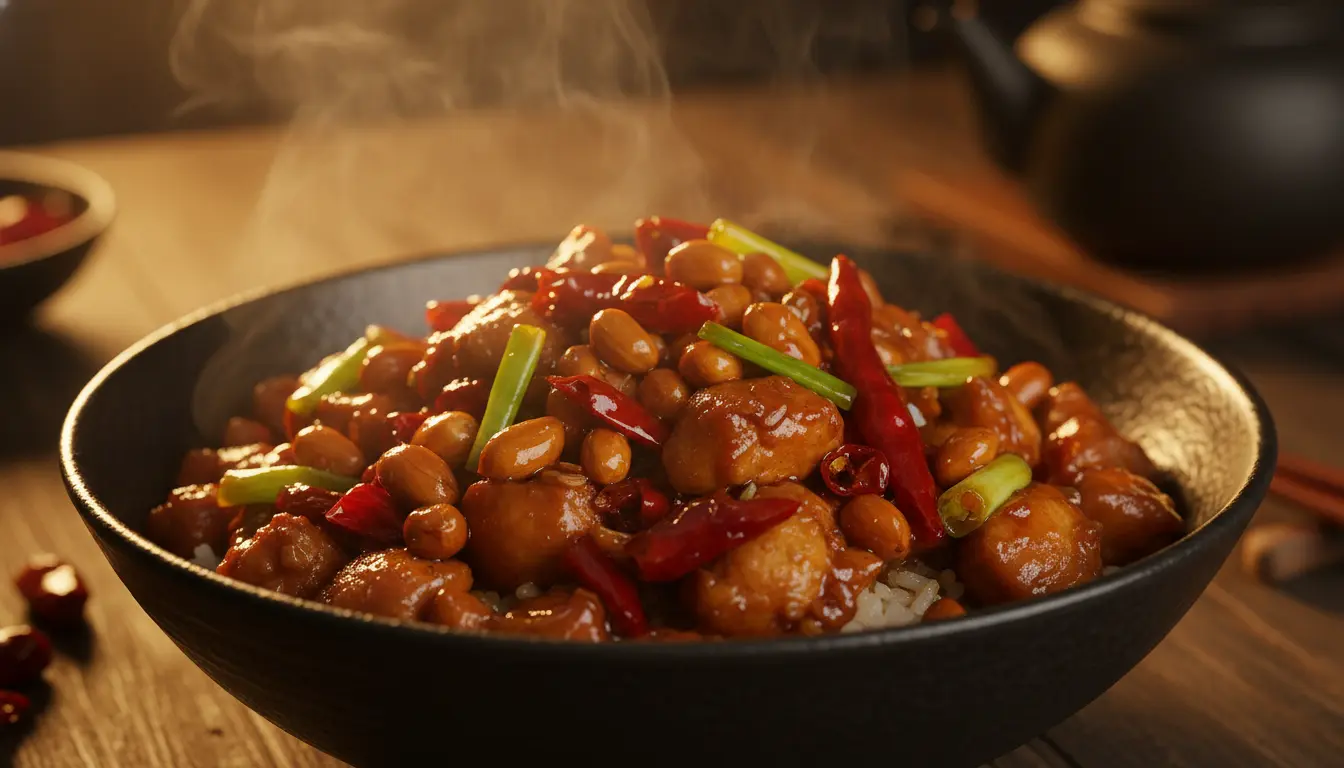
Spicy Sichuan Kung Pao chicken stir-fry, featuring peanuts, dried chilies, and green onions.
ChineseRecipes

Sichuan Kung Pao Chicken

by D L May 24, 2026
written by D L

Watch how to make it

Kung Pao chicken (gong bao ji ding) is a Sichuan classic built on the signature “ma la” tingle of Sichuan peppercorns and dried chilies, balanced by a sweet-sour-savory sauce and crunchy peanuts. Restaurant versions are often dumbed down — this one keeps the numbing heat that makes it special.

We dialed the chili-to-peppercorn ratio for real ma la character without being painful.

Why this recipe works

  • Velveting the chicken (a cornstarch-and-soy marinade) keeps it silky and tender.
  • Toasting whole dried chilies and Sichuan peppercorns in oil builds the aromatic base.
  • A pre-mixed sauce means everything comes together fast over high heat.

Key ingredients

Diced chicken, dried red chilies, Sichuan peppercorns, soy sauce, Chinese black vinegar, sugar, garlic, ginger, scallions and roasted peanuts. A good wok makes the high-heat stir-fry far easier.

Tips from our kitchen

  • Don’t burn the peppercorns — toast just until fragrant or they turn bitter.
  • Have the sauce mixed and aromatics chopped before heating the wok.
  • Add peanuts at the very end so they stay crunchy.

Spicy Sichuan Kung Pao chicken stir-fry, featuring peanuts, dried chilies, and green onions.

Sichuan Kung Pao Chicken

Print Recipe Pin Recipe
Prep Time 20 minutes mins
Cook Time 8 minutes mins
Total Time 28 minutes mins
Servings: 2 servings
Course: Main Course
Cuisine: Chinese
Ingredients Method Notes

Ingredients
  

  • 300 g chicken diced
  • 1 tbsp cornstarch
  • 2 tbsp soy sauce
  • 8 dried red chilies
  • 1 tsp Sichuan peppercorns
  • 1 tbsp black vinegar
  • 1 tbsp sugar
  • 3 cloves garlic minced
  • 2 scallions cut
  • 3 tbsp roasted peanuts

Method
 

  1. Marinate (velvet) diced chicken in cornstarch and 1 tbsp soy sauce, 15 min.
  2. Mix remaining soy, vinegar and sugar into a sauce.
  3. Toast dried chilies and Sichuan peppercorns in hot oil until fragrant.
  4. Add chicken and stir-fry until just cooked.
  5. Add garlic, scallions and the sauce; toss to coat.
  6. Stir in peanuts off the heat and serve.

Notes

Do not burn the peppercorns or they turn bitter.

Frequently asked questions

What are Sichuan peppercorns?

Not actually pepper — they’re dried husks that create a citrusy, numbing tingle (ma) on the tongue. They’re essential to authentic Kung Pao.

How spicy is it?

You control it. The dried chilies are mostly for aroma; remove the seeds or use fewer for a milder dish.

Can I use chicken breast?

Yes, but velvet it well. Thigh is more forgiving and stays juicier under high-heat stir-frying.

Variations & substitutions

While the classic Sichuan Kung Pao Chicken is a masterpiece on its own, its robust flavor profile makes it surprisingly adaptable. Here are some expert-approved ways to tweak the recipe without sacrificing its soul:

  • Protein Swaps: For a vegetarian twist, substitute 1 lb extra-firm tofu, pressed and cut into 1-inch cubes, then lightly fried until golden before adding to the wok. Shrimp (1 lb, peeled and deveined) can replace chicken; marinate for just 15 minutes and cook quickly (1-2 minutes per side) to prevent toughness. Thinly sliced pork tenderloin (1 lb) also works beautifully, benefiting from the same velveting technique as chicken.
  • Vegetable Additions: While not traditional, you can introduce a pop of color and texture with 1 cup of diced red bell pepper or 1/2 cup of sliced bamboo shoots, added during the last minute of stir-frying to maintain a slight crunch.
  • Nut Alternatives: If peanuts aren’t your preference or you have an allergy, roasted cashews make an excellent substitute, offering a similar crunch and richness. Add them at the very end, just before serving.
  • Spice Level Adjustments: To dial down the heat, reduce the number of dried chilies or remove their seeds entirely before adding. For an extra kick, a drizzle of homemade chili oil (Lao Gan Ma is a great store-bought option) can be added just before serving.
  • Sichuan Peppercorn Intensity: If you find the “ma la” (numbing) sensation too intense, reduce the quantity of Sichuan peppercorns to 1/2 teaspoon. If you’re struggling to find them, a tiny pinch of freshly ground black pepper combined with a whisper of lemon zest can offer a faint echo of the unique zing, though it won’t replicate the true numbing quality.

What to serve with it

Kung Pao Chicken is a symphony of spicy, savory, tangy, and subtly sweet flavors, with that signature numbing sensation. To truly appreciate its complexity, it’s best paired with dishes that complement its richness and provide a cooling contrast. Think simple, clean flavors that allow the Kung Pao to shine as the star of your meal.

  • Steamed Jasmine Rice: An absolute essential. Its neutral flavor and fluffy texture are perfect for soaking up the delicious sauce and balancing the heat.
  • Garlic Stir-fried Gai Lan (Chinese Broccoli): Lightly blanched and quickly stir-fried with garlic, this vibrant green offers a fresh, slightly bitter counterpoint that cleanses the palate.
  • Smashed Cucumber Salad (Pai Huang Gua): A classic Sichuan appetizer. Crisp cucumbers smashed and dressed with garlic, vinegar, and a touch of chili oil provide a refreshing, tangy, and cooling contrast to the richness of the chicken.
  • Simple Egg Drop Soup: A light, comforting soup that offers a gentle, savory warmth without competing with the main dish’s bold flavors.
  • Blanched Asparagus or Bok Choy: Lightly cooked and seasoned with a pinch of salt, these vegetables offer a crisp, fresh element that balances the meal.

Make ahead, storage & reheating

Savvy meal prep can make weeknight Kung Pao a breeze, and knowing how to store and reheat ensures every bite is as good as the first.

  • Make Ahead: The sauce can be mixed and stored in an airtight container in the refrigerator for up to 3 days. The chicken can be velveted and marinated up to 4 hours in advance, kept covered in the fridge. Vegetables can be chopped and prepped a day ahead. This streamlines the stir-frying process to just minutes.
  • Storage: Once cooked, allow the Kung Pao Chicken to cool completely before transferring it to an airtight container. It will keep beautifully in the refrigerator for 3-4 days. While technically freezable, the texture of the chicken (which can become a bit rubbery) and peanuts (which can lose their crispness) isn’t ideal after thawing. If you must freeze, it’s best for up to 1 month in an airtight, freezer-safe container, but expect a slight compromise in quality.
  • Reheating: For best results, reheat on the stovetop. Transfer the leftovers to a wok or large skillet over medium heat. Add a splash (1-2 tablespoons) of water or chicken broth to help loosen the sauce and prevent drying. Stir-fry gently until heated through, about 5-7 minutes. Avoid high heat, which can overcook the chicken. Reheating in the microwave is also an option: cover the dish and heat on medium power, stirring every minute, until hot.

Common mistakes to avoid

Even seasoned cooks can stumble when making a dish as nuanced as Kung Pao Chicken. Steer clear of these common pitfalls to ensure your dish is authentic and delicious every time:

  • Overcooking the Chicken: The velveting technique is designed to keep the chicken incredibly tender. Over-stir-frying, especially after adding the sauce, will reverse this effect, resulting in dry, rubbery chicken. Cook just until opaque and the sauce has thickened.
  • Insufficiently Toasting Aromatics and Chilies: Don’t rush this step! The dried chilies and Sichuan peppercorns need a minute or two in hot oil to bloom and release their fragrant, spicy, and numbing oils. If they don’t darken slightly and become aromatic, your dish will lack depth.
  • Using Unroasted Peanuts: Raw peanuts will be soft and absorb too much moisture, becoming soggy. Always use pre-roasted, unsalted peanuts, or blanch and fry raw peanuts yourself until golden and crisp. Add them at the very end to maintain their crunch.
  • Skimping on Sichuan Peppercorns: This is the soul of authentic Kung Pao. Without enough freshly ground Sichuan peppercorns, you miss the signature “ma la” (numbing and spicy) sensation that defines the dish. Don’t confuse them with black peppercorns; their flavor is unique.
  • Crowding the Wok: A common stir-fry error. Adding too much chicken or too many vegetables at once lowers the wok’s temperature, leading to steaming instead of searing. This results in bland, watery ingredients rather than beautifully caramelized ones. Cook in batches if your wok isn’t large enough.

More questions

Can I make Sichuan Kung Pao Chicken less spicy?

Absolutely! The spice level is quite adjustable. To reduce the heat, simply use fewer dried chilies. For a very mild version, you can even remove the seeds from the chilies before adding them, as much of the capsaicin (the heat compound) resides there. You can also omit the chilies entirely and still enjoy the complex flavors, especially the unique numbing sensation from the Sichuan peppercorns.

What’s the main difference between authentic Sichuan Kung Pao and Americanized versions?

The differences are significant! Authentic Sichuan Kung Pao emphasizes the “ma la” (numbing and spicy) sensation from a generous amount of Sichuan peppercorns and dried chilies, balanced by savory, tangy, and subtly sweet notes. It typically features chicken, peanuts, and green onions, with minimal other vegetables. Americanized versions often dial down the spice and the numbing quality, significantly increase the sweetness, and frequently include a wider array of vegetables like bell peppers, zucchini, and carrots. Cashews are also a common substitution for peanuts in Americanized versions.

How do I ensure my peanuts stay crispy in the dish?

The trick to crispy peanuts is twofold: first, start with good quality, roasted, unsalted peanuts (or blanch and fry raw peanuts yourself until golden brown and drain well). Second, and crucially, add them to the wok right at the very end of the cooking process, just before serving. This minimizes their exposure to the sauce and heat, preserving their delightful crunch. If you add them too early, they’ll absorb moisture and become soft.
May 24, 2026 0 comments
0 FacebookTwitterPinterestEmail
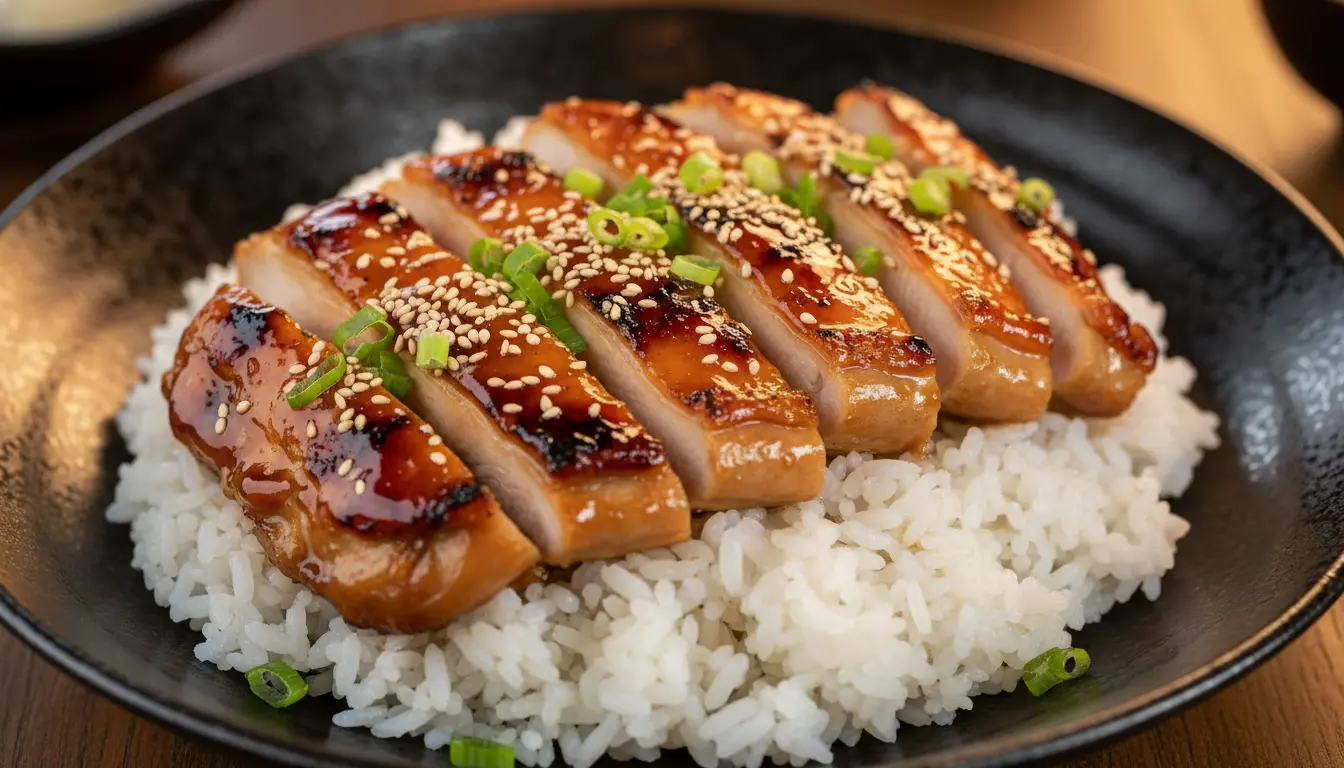
Succulent pieces of glazed Japanese chicken teriyaki, served with a side of rice.
JapaneseRecipes

Japanese Chicken Teriyaki

by D L May 24, 2026
written by D L

Watch how to make it

Real chicken teriyaki is nothing like the gloopy, over-sweet takeout version. Authentic teriyaki is a glossy glaze of just four pantry ingredients — soy sauce, mirin, sake and sugar — reduced until it clings to pan-seared chicken. It’s a 20-minute weeknight dinner that tastes far better than its effort.

We tested this with thigh and breast; thigh wins for juiciness, but both work with the same glaze.

Why this recipe works

  • Sear skin-side down first for crisp skin and rendered fat to glaze in.
  • The 1:1:1:1 sauce ratio (soy : mirin : sake : sugar) is foolproof and balanced.
  • Reduce the glaze in the same pan so it picks up the chicken’s savory fond.

Key ingredients

Boneless chicken thighs, soy sauce, mirin, sake and sugar. That’s the entire glaze — no cornstarch, no bottled teriyaki needed. Serve over steamed rice with sesame seeds and scallions.

Tips from our kitchen

  • Pat the chicken dry before searing for the best browning.
  • Let the glaze bubble until it coats the back of a spoon, then turn the chicken to coat.
  • No sake? Substitute dry sherry or a splash of water plus extra mirin.

Succulent pieces of glazed Japanese chicken teriyaki, served with a side of rice.

Japanese Chicken Teriyaki

Print Recipe Pin Recipe
Prep Time 5 minutes mins
Cook Time 15 minutes mins
Total Time 20 minutes mins
Servings: 2 servings
Course: Main Course
Cuisine: Japanese
Ingredients Method Notes

Ingredients
  

  • 4 boneless chicken thighs
  • 3 tbsp soy sauce
  • 3 tbsp mirin
  • 3 tbsp sake
  • 1 tbsp sugar
  • 1 tsp sesame seeds
  • 2 scallions sliced

Method
 

  1. Pat chicken dry. Sear skin-side down in a dry pan until crisp and golden.
  2. Flip and cook through; remove excess fat.
  3. Mix soy, mirin, sake and sugar; pour into the pan.
  4. Simmer until the glaze coats the back of a spoon.
  5. Turn the chicken to coat in the glaze.
  6. Slice and serve over rice with sesame seeds and scallions.

Notes

Thigh stays juicier than breast. No sake? Use dry sherry.

Frequently asked questions

Thigh or breast?

Thigh stays juicier and is more forgiving. Use breast if you prefer leaner meat, but watch it closely so it doesn’t dry out.

What is mirin?

A sweet Japanese rice wine that gives teriyaki its shine and gentle sweetness. If unavailable, use a little sugar dissolved in rice vinegar as a rough substitute.

How do I get it glossy?

Reduce the sauce properly — the shine comes from the sugar and mirin concentrating, not from cornstarch.

Variations & Substitutions

While our classic Japanese Chicken Teriyaki recipe is perfected for flavor and texture, don’t hesitate to experiment with these expert-approved adjustments to suit your pantry or preferences:

  • Chicken Cut: While boneless, skin-on chicken thighs are king for juiciness and flavor, you can absolutely use boneless, skinless chicken breast. To prevent drying, consider brining the breast for 30 minutes in a 1.5% salt solution (1.5g salt per 100ml water) before cooking. Adjust cooking time accordingly, aiming for an internal temperature of 165°F (74°C).
  • Sweetener: For a slightly different depth of sweetness, substitute honey or light brown sugar for granulated sugar. Use 1 tablespoon of honey or 1.5 tablespoons of light brown sugar for every 1 tablespoon of granulated sugar.
  • Soy Sauce: For a gluten-free version, use tamari in place of regular soy sauce. If you’re watching sodium intake, opt for a low-sodium soy sauce and adjust seasoning later if needed.
  • Sake Alternative: If you don’t have sake, a dry sherry or even a dry white wine (like Sauvignon Blanc) can be used in a pinch, though the flavor profile will differ slightly. You can also omit it, but you’ll lose some of the authentic depth; consider adding a splash of chicken broth to compensate for the liquid.
  • Garnish: Beyond toasted sesame seeds and thinly sliced scallions, consider a sprinkle of shichimi togarashi (Japanese seven-spice blend) for a delightful kick, or finely shredded nori (seaweed) for an umami boost.
  • Add Vegetables: For a complete meal in one pan, stir-fry quick-cooking vegetables like broccoli florets, snap peas, bell peppers, or sliced mushrooms in the same pan after cooking the chicken, then toss them with the finished teriyaki sauce.

What to Serve With It

A well-balanced Japanese meal complements the rich, savory-sweetness of Teriyaki Chicken with contrasting textures and flavors. Think about refreshing, palate-cleansing sides that cut through the richness and add a sense of tradition to your plate.

  • Steamed Short-Grain Rice: The quintessential pairing. Its neutral flavor and sticky texture perfectly absorb the delicious teriyaki sauce.
  • Miso Soup: A light, savory broth with tofu and seaweed provides a comforting and authentic start or accompaniment.
  • Pickled Ginger (Gari): The sharp, sweet, and spicy notes of pickled ginger are excellent for cleansing the palate between bites of rich chicken.
  • Blanched Greens with Sesame Dressing (Gomae): Spinach or green beans lightly blanched and tossed with a simple sesame dressing (toasted sesame seeds, soy sauce, a touch of sugar) offer a refreshing counterpoint.
  • Sunomono (Cucumber Salad): Thinly sliced cucumbers marinated in a sweet and tangy vinegar dressing provide a crisp, cooling, and acidic contrast.
  • Simple Green Salad: A mix of crisp lettuce with a light, Japanese-style dressing (like a ginger-sesame vinaigrette) adds freshness without overwhelming the main dish.

Make Ahead, Storage & Reheating

Japanese Chicken Teriyaki is a fantastic dish for meal prep, as both the chicken and the sauce hold up beautifully. Here’s how to manage it expertly:

  • Make Ahead:
    • Teriyaki Sauce: The sauce can be made up to 5 days in advance and stored in an airtight container in the refrigerator. It may thicken slightly; gently warm it on the stovetop over low heat, adding a teaspoon of water or sake if needed, before serving.
    • Marinated Chicken: You can marinate the chicken for up to 24 hours in the refrigerator. Ensure it’s in a non-reactive container or a sealed bag.
  • Storage:
    • Refrigeration: Once cooked, store leftover chicken teriyaki and any remaining sauce in separate airtight containers in the refrigerator for up to 3-4 days.
    • Freezing: For longer storage, cooked chicken teriyaki can be frozen for up to 2-3 months. Allow the chicken to cool completely, then transfer it to freezer-safe bags or containers with a little extra sauce to prevent drying. Thaw overnight in the refrigerator before reheating.
  • Reheating:
    • Microwave: For individual portions, place chicken and sauce in a microwave-safe dish, cover loosely, and heat on medium power for 1-2 minutes, stirring halfway, until heated through. Be careful not to overheat, which can dry out the chicken.
    • Stovetop: For larger portions or to retain crispy skin, place the chicken and sauce in a skillet over medium-low heat. Add a tablespoon of water or sake to help rehydrate and prevent sticking. Cover and gently warm for 5-7 minutes, flipping the chicken once, until heated through.
    • Oven: For the best results, especially if you want to revive crispy skin, preheat your oven to 300°F (150°C). Place chicken on a baking sheet, add a splash of water or broth to the bottom of the pan, cover loosely with foil, and heat for 10-15 minutes. For a crisper finish, remove the foil for the last 5 minutes.

Common Mistakes to Avoid

Even a seemingly simple dish like Chicken Teriyaki has pitfalls. Sidestep these common errors for consistently perfect results:

  • Overcooking the Chicken: Teriyaki chicken should be juicy and tender, not dry and tough. Use a meat thermometer to ensure chicken thighs reach 175°F (80°C) for optimal tenderness (chicken breast to 165°F/74°C). Pull it off the heat just as it hits this mark, as it will continue to cook slightly while resting.
  • Burning the Sauce: The high sugar content in teriyaki sauce makes it prone to burning if the heat is too high or if it’s left unattended. Always simmer the sauce over medium-low to medium heat, stirring frequently, especially as it thickens. If it starts to brown too quickly, reduce the heat immediately.
  • Not Reducing the Sauce Enough: A thin, watery sauce won’t coat the chicken properly and lacks the desired depth of flavor. Be patient and allow the sauce to simmer until it visibly thickens to a syrupy consistency that clings to the back of a spoon. This typically takes 8-12 minutes for a standard batch.
  • Crowding the Pan: When searing the chicken, resist the urge to cram too many pieces into the pan. Crowding lowers the pan’s temperature, causing the chicken to steam rather than sear, resulting in less browning and less flavor. Cook in batches if necessary, ensuring each piece has enough space.
  • Skipping the Rest: After cooking, let the chicken rest for 5-10 minutes before slicing. This allows the juices to redistribute throughout the meat, ensuring every bite is succulent and flavorful.

More Questions

Can I use chicken breast instead of thighs for this recipe?

Yes, you can! However, chicken breast is leaner and tends to dry out more easily. To get the best results, we recommend brining the chicken breast for 30 minutes in a 1.5% salt solution before marinating. Cook it to an internal temperature of 165°F (74°C), which is lower than thighs, and be mindful not to overcook. You may also want to slice the breast into thinner cutlets or pieces to ensure even cooking and better sauce penetration.

Why is my teriyaki sauce too thin and not coating the chicken?

The most common reason for a thin teriyaki sauce is insufficient reduction. The sauce needs to simmer over medium-low heat for a good 8-12 minutes, uncovered, until the sugar caramelizes slightly and the liquid evaporates, allowing it to thicken into a glossy, syrupy consistency. If it’s still too thin after this time, you can whisk in a cornstarch slurry (1 tsp cornstarch mixed with 1 tbsp cold water) and simmer for another minute until it reaches your desired thickness.

What’s the secret to getting crispy skin on my teriyaki chicken?

The key to truly crispy skin lies in a few crucial steps. First, ensure your chicken skin is thoroughly patted dry with paper towels before cooking. Second, place the chicken skin-side down in a cold, non-stick or well-seasoned cast-iron pan. Turn the heat to medium-low and allow the fat to render slowly for about 8-10 minutes, pressing down occasionally with a spatula. This slow rendering process crisps the skin beautifully without burning. Once golden and crisp, increase the heat to medium-high to finish cooking the other side and glaze with the sauce.

May 24, 2026 0 comments
1 FacebookTwitterPinterestEmail
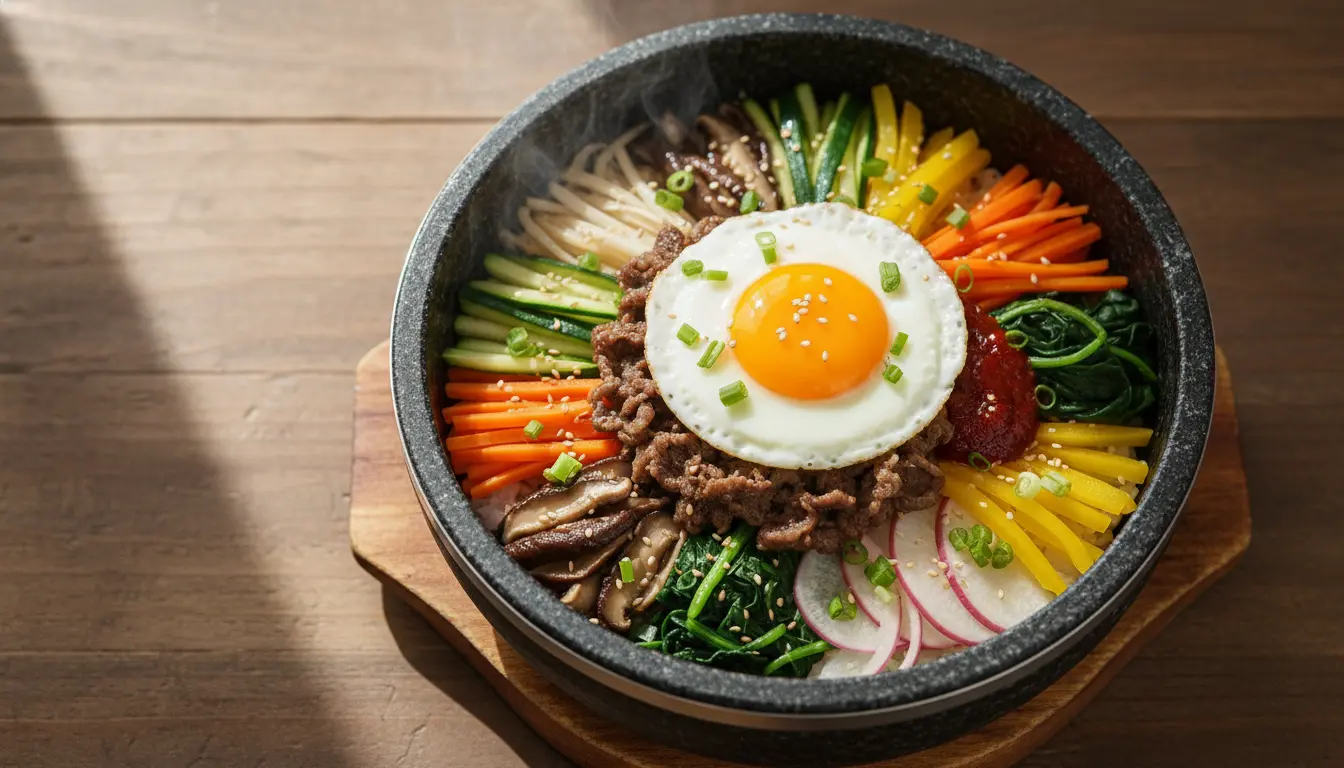
A colorful Korean Bibimbap bowl, featuring rice, assorted vegetables, meat, and a fried egg.
KoreanRecipes

Korean Bibimbap (Mixed Rice Bowl)

by D L May 24, 2026
written by D L

Watch how to make it

Bibimbap — literally “mixed rice” — is Korea’s perfect bowl: warm rice topped with seasoned vegetables (namul), a protein, a fried egg, and a generous spoon of gochujang sauce, all stirred together at the table. It’s endlessly flexible, meal-prep friendly, and a brilliant way to use up vegetables.

We make this most weeks — the components keep for days, so a bowl comes together in minutes.

Why this recipe works

  • Each vegetable is seasoned separately (namul) so every bite has its own character.
  • A crispy rice bottom — if you use a hot stone or cast-iron bowl (dolsot) — adds texture.
  • The gochujang sauce ties everything together with sweet heat.

Key ingredients

Short-grain rice, spinach, carrots, bean sprouts, shiitake mushrooms, beef bulgogi (optional), eggs, and gochujang for the sauce. Sesame oil and toasted sesame seeds season the namul.

Tips from our kitchen

  • Blanch and season vegetables ahead; store separately and assemble to order.
  • For dolsot-style crispy rice, press rice into a hot oiled cast-iron bowl for 2-3 minutes.
  • Don’t skip the runny-yolk egg — it enriches the whole bowl when mixed in.

A colorful Korean Bibimbap bowl, featuring rice, assorted vegetables, meat, and a fried egg.

Korean Bibimbap

Print Recipe Pin Recipe
Prep Time 25 minutes mins
Cook Time 15 minutes mins
Total Time 40 minutes mins
Servings: 2 bowls
Course: Main Course
Cuisine: Korean
Ingredients Method Notes

Ingredients
  

  • 2 cups cooked short-grain rice
  • 100 g spinach
  • 1 carrot julienned
  • 100 g bean sprouts
  • 4 shiitake mushrooms sliced
  • 150 g beef thinly sliced
  • 2 eggs
  • 2 tbsp gochujang
  • 1 tbsp sesame oil
  • 1 tsp sesame seeds

Method
 

  1. Blanch and season spinach, bean sprouts and carrot separately with sesame oil and salt (namul).
  2. Saute mushrooms and beef until cooked.
  3. Mix gochujang with a little sesame oil and water for the sauce.
  4. Divide rice into bowls; arrange vegetables, beef and namul on top.
  5. Fry the eggs sunny-side up and place on each bowl.
  6. Add gochujang sauce and sesame seeds; mix well before eating.

Notes

For crispy rice, press into a hot oiled cast-iron bowl for 2-3 minutes.

Frequently asked questions

Is bibimbap healthy?

Yes — it’s largely vegetables and rice with a modest amount of protein. Control the gochujang sauce and oil to manage calories.

Can I make it vegetarian?

Absolutely. Skip the beef and add extra mushrooms or seasoned tofu. Check that your gochujang has no fish-derived ingredients if you’re strict.

What rice is best?

Short-grain (sushi-style) rice is traditional because its slight stickiness holds together when mixed.

Variations & substitutions

  • Protein Power-Ups: While thinly sliced beef (bulgogi-style) is classic, feel free to swap it. Try pan-fried tofu or tempeh for a vegetarian twist, sautéed shrimp for a lighter option, or even ground pork or chicken seasoned with soy sauce, garlic, and sesame oil.
  • Veggie Adventures: Don’t limit yourself to the usual suspects. Experiment with different mushrooms like shiitake or oyster, add julienned zucchini or bell peppers, or swap out spinach for blanched kale or bok choy. The key is to prepare each vegetable separately with its own subtle seasoning.
  • Grain Gains: For a nuttier flavor and added fiber, use a mix of white and brown rice, or go entirely with short-grain brown rice. Quinoa can also be a surprisingly delicious and healthy base.
  • Sauce Swaps: While gochujang is iconic, you can customize the sauce. For less heat, mix gochujang with a bit more honey or a dollop of doenjang (Korean fermented soybean paste) for a deeper, earthier flavor. A drizzle of perilla oil instead of sesame oil offers a unique, herbaceous aroma.
  • Egg-cellent Alternatives: A perfectly fried egg with a runny yolk is non-negotiable for many, but a poached egg offers a similar creamy richness without the oil. For a different texture, a simple scrambled egg or even a thin egg crepe (jidan) cut into strips can work.

What to serve with it

Bibimbap is often considered a complete meal in itself, a symphony of flavors and textures in one bowl. However, in Korean dining, a spread of banchan (small side dishes) always accompanies the main event, enhancing the experience and offering refreshing counterpoints. A simple, clear broth soup is also a common and welcome addition, especially on a cooler day, to cleanse the palate between bites.
  • Kimchi: The quintessential Korean side dish. Napa cabbage kimchi (baechu kimchi) or cubed radish kimchi (kkakdugi) provides a spicy, sour, and fermented kick that beautifully cuts through the richness of the bibimbap.
  • Miyeokguk (Seaweed Soup): A light, savory clear broth made with rehydrated seaweed, often seasoned simply with soy sauce and garlic. It’s nourishing and refreshing.
  • Oi Muchim (Spicy Cucumber Salad): Crisp cucumber slices tossed in a gochugaru (Korean chili powder) dressing with garlic, vinegar, and sesame oil. Adds a fresh, tangy crunch.
  • Gyeran Jjim (Steamed Egg Custard): A fluffy, savory steamed egg dish, often served in a hot stone bowl. It’s comforting and mild, offering a lovely contrast to the bibimbap’s bold flavors.
  • Danmuji (Pickled Yellow Radish): Thinly sliced, bright yellow pickled radish offers a sweet, tangy, and crunchy bite that’s incredibly refreshing.

Make ahead, storage & reheating

Bibimbap is best enjoyed freshly assembled, but many of its components can be prepared in advance to streamline meal prep. This makes it a fantastic option for busy weeknights.
  • Individual Components (Make Ahead):
    • Cooked Rice: Store cooled, cooked short-grain rice in an airtight container in the refrigerator for up to 3-4 days.
    • Sautéed Vegetables: Each seasoned vegetable (spinach, carrots, mushrooms, etc.) can be stored separately in airtight containers in the fridge for up to 3-4 days. This prevents flavors from melding prematurely and maintains individual textures.
    • Cooked Meat: Marinated and cooked beef or other proteins can be refrigerated in an airtight container for 3-4 days.
    • Gochujang Sauce: The mixed gochujang sauce can be made well in advance and stored in a sealed jar in the refrigerator for several weeks.
  • Assembled Bibimbap (Storage): While not ideal due to potential sogginess of some ingredients and texture changes in the egg, a fully assembled bowl of bibimbap can be stored in an airtight container in the refrigerator for up to 1-2 days.
  • Freezing: Freezing assembled bibimbap is generally not recommended as the vegetables can become mushy and the egg texture degrades significantly upon thawing. Cooked white rice can be frozen for up to 1 month, and cooked beef can be frozen for 2-3 months, but always freeze them separately.
  • Reheating:
    • Individual Components: Reheat vegetables and meat gently in a non-stick pan over medium heat until warmed through, or microwave in short 30-second bursts. Reheat rice in the microwave with a splash of water, covered, or in a steamer.
    • Assembled Bowl: For a pre-assembled bowl, microwave on medium power for 1-2 minutes, stirring halfway through, until heated through. If you desire a crispy rice bottom (dolsot-style), transfer the cold bibimbap to a hot, lightly oiled cast iron skillet or dolsot, press down firmly, and cook over medium-high heat for 5-10 minutes until a crust forms on the bottom. Add a freshly fried egg for best results.

Common mistakes to avoid

  • Overcooking the Vegetables: Each vegetable should be tender-crisp, retaining its vibrant color and a slight bite. Wilting them into a mushy mess diminishes their individual texture and flavor contribution. Sauté quickly over high heat or blanch briefly.
  • Not Seasoning Each Component Individually: This is crucial! Bibimbap isn’t just a mix of unseasoned ingredients. Each vegetable, the meat, and even the rice should be seasoned lightly on its own (typically with soy sauce, garlic, sesame oil, and salt) before assembly. This builds layers of flavor that make the final mixed bowl truly dynamic.
  • Using Cold Rice: Warm, freshly cooked (or properly reheated) rice is essential. Cold rice will result in a clumpy, stiff bibimbap that doesn’t absorb the sauce and egg yolk as effectively, leading to a less cohesive and enjoyable texture.
  • Too Much Gochujang Sauce from the Start: Gochujang can be quite potent. While delicious, adding too much initially can overpower the delicate flavors of the other ingredients. Start with a conservative amount (1-2 tablespoons per serving) and add more to taste after mixing.
  • Skipping the Fried Egg (or cooking it fully): The runny yolk of a perfectly fried egg (sunny-side up) is a binding agent and a rich, creamy sauce in itself. It emulsifies with the gochujang and other ingredients, creating that signature luscious texture. A fully cooked, firm yolk won’t provide the same magic.

More questions

Can I make bibimbap vegetarian or vegan?

A: Absolutely! Bibimbap is incredibly versatile. For a vegetarian version, simply omit the beef and replace it with pan-fried firm tofu or tempeh, seasoned similarly with soy sauce, garlic, and sesame oil. For a vegan bibimbap, in addition to the tofu/tempeh, ensure your gochujang is vegan (most are, but check for fish/shellfish ingredients), use a plant-based oil for frying, and omit the fried egg. You can also find vegan egg substitutes if you want to mimic the texture. The egg’s texture. Embrace a wider variety of vegetables like mushrooms, zucchini, or bell peppers to add more substance.

What’s the best way to get crispy rice at the bottom like in dolsot bibimbap?

A: Achieving that coveted crispy rice (nurungji) is a highlight of dolsot bibimbap! If you have a traditional Korean stone pot (dolsot), preheat it thoroughly on the stovetop over medium heat for about 5 minutes. Drizzle a tablespoon of sesame oil around the bottom and sides, then firmly press a layer of warm rice onto the bottom. Arrange your prepared ingredients on top, then cook over medium-high heat for another 5-10 minutes without stirring. You’ll hear the rice crackling as it crisps. If you don’t have a dolsot, a heavy-bottomed cast iron skillet works wonderfully. Follow the same steps, pressing the rice firmly to ensure maximum contact with the hot, oiled surface.

How spicy is gochujang, and can I adjust it?

A: Gochujang (Korean chili paste) offers a unique balance of savory, sweet, and moderately spicy flavors. Its heat level can vary by brand, but it’s generally a pleasant warmth rather than an aggressive burn. You can absolutely adjust the spiciness! For less heat, reduce the amount of gochujang in your sauce, or mix it with a bit more honey or sugar to balance the spice. Adding more sesame oil or a splash of water can also dilute its intensity. If you crave more heat, feel free to add a pinch of gochugaru (Korean chili flakes) or a few slices of fresh green chili to your bowl before mixing.
May 24, 2026 0 comments
1 FacebookTwitterPinterestEmail
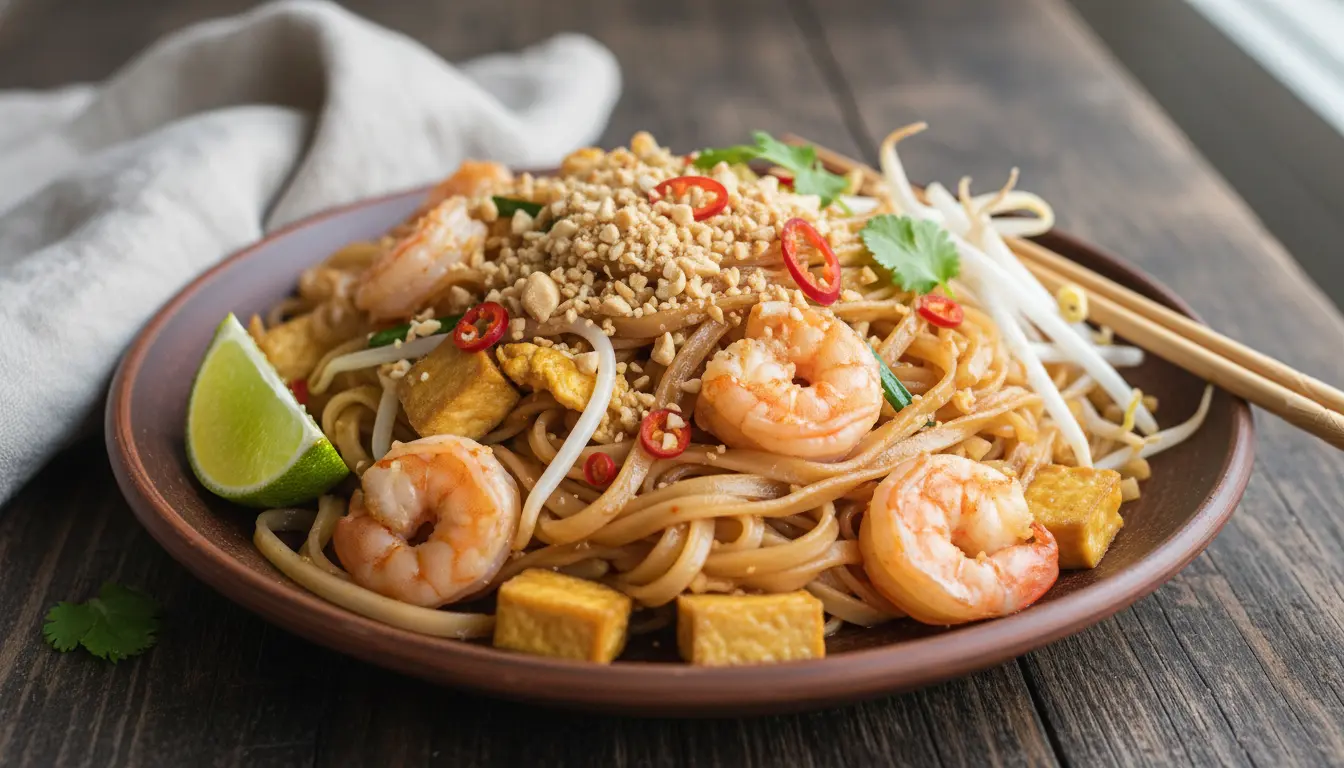
A vibrant plate of authentic Pad Thai noodles, garnished with shrimp, peanuts, and lime.
RecipesThai

Authentic Pad Thai (Thai Noodles)

by D L May 24, 2026
written by D L

Watch how to make it

Pad Thai is Thailand’s most famous noodle dish — springy rice noodles tossed in a sweet-sour-savory tamarind sauce with shrimp, tofu, egg, and a shower of crushed peanuts. The secret to great Pad Thai at home isn’t a long ingredient list; it’s a screaming-hot wok and having everything prepped before you start.

We tested this recipe until the sauce ratio tasted like our favorite Bangkok street stall — balanced, not ketchup-sweet.

Why this recipe works

  • Soak, don’t boil, the noodles — they finish cooking in the wok and stay springy.
  • Real tamarind gives the authentic sour backbone; ketchup-based versions miss it entirely.
  • Cook in batches so the wok stays hot and the noodles fry rather than steam.

Key ingredients

Flat rice noodles, tamarind paste, fish sauce, palm sugar, shrimp, firm tofu, eggs, garlic chives, bean sprouts, and roasted peanuts. See the full recipe card below for amounts.

Tips from our kitchen

  • Prep every ingredient and mix the sauce before the wok goes on — Pad Thai cooks in under 5 minutes.
  • Push the noodles aside and scramble the egg in the bare wok, then fold together.
  • Finish with lime, chili flakes and extra peanuts at the table.

A vibrant plate of authentic Pad Thai noodles, garnished with shrimp, peanuts, and lime.

Authentic Pad Thai

Print Recipe Pin Recipe
Prep Time 20 minutes mins
Cook Time 10 minutes mins
Total Time 30 minutes mins
Servings: 2 servings
Course: Main Course
Cuisine: Thai
Ingredients Method Notes

Ingredients
  

  • 200 g flat rice noodles
  • 3 tbsp tamarind paste
  • 2 tbsp fish sauce
  • 2 tbsp palm sugar
  • 200 g shrimp peeled
  • 100 g firm tofu cubed
  • 2 eggs
  • 100 g bean sprouts
  • 3 garlic chives cut 2cm
  • 3 tbsp roasted peanuts crushed
  • 1 lime wedges

Method
 

  1. Soak rice noodles in warm water until pliable, ~20 min; drain.
  2. Mix tamarind, fish sauce and palm sugar into a sauce.
  3. Stir-fry tofu and shrimp in a hot wok until just cooked; remove.
  4. Add noodles and sauce; toss over high heat until absorbed.
  5. Push aside, scramble the eggs, then fold everything together.
  6. Add bean sprouts, chives and peanuts; toss 30 seconds. Serve with lime.

Notes

Soak, never boil, the noodles. Cook in batches to keep the wok hot.

Frequently asked questions

Can I make Pad Thai without tamarind?

You can approximate it with equal parts lime juice and a little brown sugar, but real tamarind paste gives the authentic fruity sourness and is worth buying.

Why are my noodles mushy?

They were over-soaked or the wok wasn’t hot enough. Soak in warm (not boiling) water just until pliable, and cook over the highest heat in small batches.

What’s the best protein?

Shrimp is classic, but chicken, or tofu alone for a vegetarian version, all work. Keep the sauce and method identical.

Variations & substitutions

  • Protein Power-Ups: While shrimp and chicken are classic, feel free to swap or combine. Try thinly sliced pork loin, firm or extra-firm tofu (pressed and pan-fried until golden), or even a medley of mushrooms for a vegetarian option. For tofu, ensure it’s well-pressed to remove excess water, then pan-fry separately until crispy before adding back to the wok.
  • Noodle Nuances: Our recipe calls for standard 3-5mm wide rice stick noodles (Sen Lek). If you prefer a chewier texture and can find them, wider Sen Jan noodles (around 8mm) are also used in some regions of Thailand. Avoid fresh rice noodles as they tend to break down and become mushy in a stir-fry.
  • Veggie Variety: Beyond the essential bean sprouts and garlic chives, consider adding thinly sliced carrots, bell peppers, or even a handful of gai lan (Chinese broccoli) for extra crunch and nutrition. Add harder vegetables early in the stir-fry process to ensure they cook through.
  • Spice Level: Adjust the dried chili flakes to your preference. For a milder Pad Thai, reduce or omit. For a fiery kick, add a pinch more or serve with a side of prik nam pla (fish sauce with chilies).
  • Sweet & Sour Balance: The beauty of Pad Thai is its customizable balance. If you prefer it sweeter, add a touch more palm sugar. For more tang, a bit more tamarind paste will do the trick. Always taste the sauce before adding it to the noodles.

What to serve with it

Authentic Pad Thai is often a complete meal in itself, a symphony of flavors and textures. However, in Thailand, it’s common to enjoy it alongside other dishes as part of a larger spread or with simple accompaniments that enhance the experience. Here are some traditional and complementary pairings:
  • Fresh Lime Wedges: An absolute must! A squeeze of fresh lime brightens the dish and cuts through the richness.
  • Extra Crushed Peanuts: For added texture and nutty flavor, always have a small bowl of extra crushed peanuts on the side.
  • Cucumber Slices or Ajard: Thinly sliced cucumbers offer a refreshing contrast. A simple Ajard (Thai cucumber relish) made with cucumbers, shallots, and chilies in a sweet vinegar dressing is also excellent.
  • Prik Nam Pla: A small bowl of fish sauce with sliced bird’s eye chilies. For those who like an extra salty, spicy kick.
  • Clear Broth Soup: A light, clear soup, like a simple vegetable broth or a mild Tom Yum clear soup (without coconut milk), can be a refreshing palate cleanser.
  • Thai Iced Tea or Coffee: The creamy sweetness of a traditional Thai Iced Tea (Cha Yen) or Iced Coffee (Oliang) provides a wonderful balance to the savory and tangy Pad Thai.

Make ahead, storage & reheating

Pad Thai is best enjoyed fresh from the wok, but with a few smart techniques, you can still enjoy its deliciousness later. The key is managing the noodles’ texture.
  • Make Ahead: The Pad Thai sauce can be made ahead and stored in an airtight container in the refrigerator for up to 2-3 weeks. This makes weeknight cooking much faster. You can also prep your proteins and vegetables (slice, chop) a day in advance.
  • Storage: Store leftover Pad Thai in a shallow, airtight container in the refrigerator for up to 2-3 days. The noodles will soften slightly over time, but the flavors will meld beautifully. Freezing is generally not recommended for optimal noodle texture, as they can become mushy upon thawing and reheating.
  • Reheating (Stovetop Recommended):
    • Stovetop: This is the best method to revive your Pad Thai. Heat a wok or large non-stick skillet over medium-high heat. Add a tablespoon of neutral oil, and if the noodles seem dry, a splash (1-2 tablespoons) of water or chicken/vegetable broth. Add the Pad Thai and stir-fry gently for 3-5 minutes, breaking up any clumps, until heated through. Be careful not to overcook.
    • Microwave: While convenient, the microwave can make noodles softer. Place a single serving in a microwave-safe dish. Add a tiny splash of water (about 1 teaspoon) and cover loosely. Heat on high for 1-2 minutes, stirring halfway through, until warmed through.

Common mistakes to avoid

  • Overcooking the Noodles: This is the cardinal sin of Pad Thai. Rice noodles should be soaked, not boiled, until pliable but still firm and slightly undercooked (al dente). They will finish cooking in the wok. Overcooked noodles will turn mushy and clumpy.
  • Crowding the Wok: A common stir-fry mistake. If you overload your wok, the temperature drops, and ingredients steam instead of stir-fry, leading to soggy results. Cook in batches if necessary, especially if you have a smaller wok or skillet.
  • Insufficient Wok Heat: Pad Thai demands high heat for that signature smoky ‘wok hei’ flavor and proper caramelization. Ensure your wok is screaming hot before adding oil and ingredients. If the heat is too low, everything will stew.
  • Improper Sauce Balance: The Pad Thai sauce is a delicate balance of sweet, sour, salty, and umami. Taste your sauce before adding it to the wok and adjust. Too much sugar makes it cloying, too much tamarind makes it overly sour.
  • Adding Ingredients in the Wrong Order: Timing is crucial. Proteins should be cooked first (and often removed) to prevent overcooking. Harder vegetables go in before softer ones. The noodles and sauce are added last, followed by the egg and garnishes.
  • Not Prepping Everything First: Stir-frying is fast-paced. Have all your ingredients measured, chopped, and within arm’s reach (mise en place) before you even turn on the stove. This prevents frantic scrambling and burnt ingredients.

More questions

What kind of noodles should I use for authentic Pad Thai?

For authentic Pad Thai, you should use flat, dried rice stick noodles, typically labeled as “Pad Thai noodles” or “Sen Lek” in Thai groceries. They usually come in widths of 3-5mm. The key is to soak them in warm water until pliable but still firm, not soft or mushy, as they will finish cooking in the hot wok. Avoid fresh rice noodles, which can break down too easily.

Can I make Pad Thai vegetarian or vegan?

Absolutely! To make it vegetarian, simply omit the shrimp and chicken, and use pressed, pan-fried tofu as your protein. For a fully vegan version, in addition to the protein swap, substitute fish sauce with a high-quality vegetarian stir-fry sauce or light soy sauce, and omit the egg. Ensure your tamarind paste is pure and doesn’t contain any animal products (which is rare, but always good to check). Many brands of Pad Thai sauce are already vegan-friendly, just check the label.

Why is my Pad Thai sticky and clumpy?

Sticky and clumpy Pad Thai is usually a result of overcooked noodles or insufficient oil. If noodles are soaked for too long or boiled, they release too much starch and become gummy. Ensure your noodles are al dente after soaking and rinsed well. Additionally, make sure your wok is hot and you’re using enough oil (a couple of tablespoons) when stir-frying the noodles. Cooking in smaller batches can also help prevent clumping by maintaining high heat and allowing proper circulation.
May 24, 2026 0 comments
0 FacebookTwitterPinterestEmail
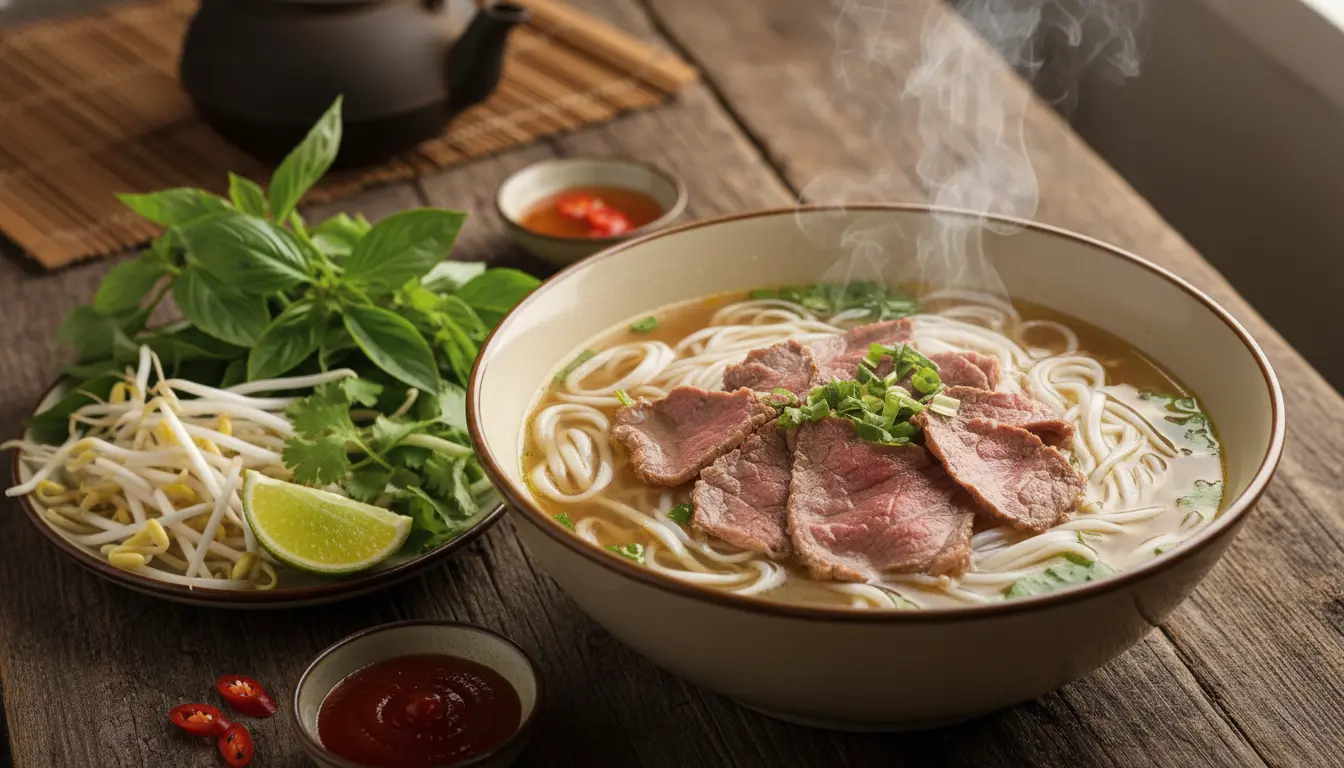
Steaming bowl of Vietnamese pho bo with beef, rice noodles and herbs
RecipesVietnamese

Authentic Pho Bo (Vietnamese Beef Noodle Soup)

by D L May 24, 2026
written by D L

Watch how to make it

Pho bo — Vietnam’s iconic beef noodle soup — is all about the broth: a clear, deeply aromatic stock built on charred aromatics, toasted spices, and hours of gentle simmering. This is the recipe we cook at home when we want the real thing. It takes time, but almost all of it is hands-off.

Tested in our kitchen over multiple batches to dial in the spice balance and a clear (not cloudy) broth.

Why this recipe works

  • Charring the onion and ginger adds the smoky backbone that defines real pho.
  • Toasting then bagging the spices (star anise, cinnamon, clove, coriander, fennel) gives aroma without a muddy broth.
  • Parboiling the bones for 5 minutes, then rinsing, is the single biggest trick for a clear broth.

Ingredients

  • 2 kg beef bones (marrow + knuckle)
  • 500 g beef brisket
  • 1 large onion, halved
  • 1 thumb (60 g) ginger, halved lengthwise
  • 4 star anise, 1 cinnamon stick, 4 cloves, 1 tbsp coriander seeds, 1 tsp fennel seeds
  • 2 tbsp fish sauce (plus more to taste), 1 tbsp rock sugar, salt
  • 400 g fresh or dried banh pho (flat rice noodles)
  • 200 g raw eye-of-round, sliced paper-thin
  • To serve: bean sprouts, Thai basil, lime, sliced chili, hoisin & sriracha

Step by step

  1. Parboil the bones: cover bones with cold water, boil hard for 5 minutes, drain and rinse. Scrub the pot.
  2. Char aromatics: blacken the onion and ginger directly over a flame or under the broiler until fragrant.
  3. Toast spices: dry-toast the spices for 1–2 minutes until aromatic, then tie in a spice bag or cheesecloth.
  4. Simmer: return bones to the clean pot with 5 L water, brisket, charred aromatics, and the spice bag. Bring to a bare simmer and cook 3 hours, skimming foam. Remove brisket at 1.5 hours, slice once cool.
  5. Season: add fish sauce, rock sugar and salt. Taste — the broth should be savory and aromatic, not salty.
  6. Assemble: soak/cook noodles per package, divide into bowls, top with raw beef slices and brisket, then ladle boiling broth over to cook the raw beef. Serve with herbs and condiments.

Equipment we use

A heavy 8-quart stockpot and a fine-mesh skimmer make this far easier. See our kitchen gear guides for tested recommendations. (This section contains affiliate links — see our disclosure.)

Steaming bowl of Vietnamese pho bo with beef, rice noodles and herbs

Authentic Pho Bo (Vietnamese Beef Noodle Soup)

Print Recipe Pin Recipe
Prep Time 30 minutes mins
Cook Time 3 hours hrs
Total Time 3 hours hrs 30 minutes mins
Servings: 4 bowls
Course: Main Course
Cuisine: Vietnamese
Ingredients Method Notes

Ingredients
  

  • 2 kg beef bones marrow + knuckle
  • 500 g beef brisket
  • 1 large onion halved
  • 60 g ginger halved lengthwise
  • 4 star anise
  • 1 stick cinnamon
  • 4 cloves
  • 1 tbsp coriander seeds
  • 1 tsp fennel seeds
  • 2 tbsp fish sauce plus more to taste
  • 1 tbsp rock sugar
  • 400 g flat rice noodles (banh pho)
  • 200 g eye of round beef sliced paper-thin

Method
 

  1. Parboil the bones: cover with cold water, boil hard 5 minutes, drain and rinse. Scrub the pot.
  2. Char the onion and ginger directly over a flame or under the broiler until fragrant and blackened.
  3. Dry-toast the spices 1-2 minutes until aromatic, then tie in a spice bag.
  4. Simmer bones in 5 L water with brisket, charred aromatics and spice bag at a bare simmer for 3 hours, skimming foam. Remove brisket at 1.5 hours and slice once cool.
  5. Season the broth with fish sauce, rock sugar and salt to taste — savory and aromatic, not salty.
  6. Cook noodles per package, divide into bowls, top with raw beef slices and brisket, then ladle boiling broth over to cook the raw beef. Serve with herbs and condiments.

Notes

For a clear broth never boil hard — keep a bare simmer and skim. Broth keeps 4 days refrigerated, 3 months frozen.

Frequently asked questions

Why is my pho broth cloudy?

Cloudiness comes from boiling too hard and from impurities on the bones. Parboil and rinse the bones first, then keep the broth at a bare simmer — never a rolling boil — and skim regularly.

Can I make pho broth in advance?

Yes. The broth keeps 4 days refrigerated and 3 months frozen. Make a big batch, freeze in portions, and you have restaurant-quality pho on a weeknight.

What cut of beef is best for the raw slices?

Eye of round or sirloin, sliced paper-thin against the grain. Freezing the beef for 30 minutes makes thin slicing much easier.

Editor’s note: add a WP Recipe Maker recipe card here (with ingredients, times, nutrition and ratings) in the block editor to generate Recipe schema for rich results.

Variations & substitutions

While traditional Pho Bo is a masterpiece in itself, there are several authentic and practical variations you can explore to tailor it to your taste or what you have on hand. Remember, the soul of pho lies in its aromatic, clear broth, so keep that as your guiding star.

  • Beef Cuts: Beyond the classic rare eye of round (tái) and brisket (nạm), consider adding thinly sliced flank steak (gầu), tripe (sách), or even beef meatballs (bò viên) for a more robust bowl. Each adds a unique texture and flavor dimension. Ensure all cuts are thinly sliced against the grain for tenderness.
  • Noodle Types: While bánh phở (flat rice noodles) are standard, the width can vary. Thicker noodles (bánh phở lở) offer more chew, while thinner ones (bánh phở nhỏ) provide a delicate slurp. Ensure you’re using fresh or good quality dried rice noodles, never egg noodles.
  • Broth Aromatics: The core spices (star anise, cinnamon, black cardamom, cloves, fennel seeds) are essential, but you can subtly adjust their ratios. Some recipes might include a small piece of dried tangerine peel for a hint of citrus, or a touch more ginger for warmth. Always toast them lightly until fragrant, not burnt.
  • Garnishes: While bean sprouts, lime, jalapeño, and fresh herbs are standard, feel free to experiment with different herb combinations. Thai basil, sawtooth herb (ngò gai), and cilantro are crucial. Some regions might add a sprinkle of fried shallots or a few sprigs of Vietnamese mint for extra aroma.
  • Spice Level: Adjust the amount of fresh chilies (like bird’s eye chilies) or chili garlic sauce (tương ớt Sriracha) to your preference. A small dollop of chili oil can also add a beautiful hue and heat.

What to serve with it

Authentic Pho Bo is often considered a complete meal in itself, a symphony of flavors and textures in one bowl. However, in Vietnam, it’s common to find a small array of condiments and sometimes light accompaniments that enhance the experience without overshadowing the star of the show. Think of these as supporting acts that let the pho truly shine.

  • Hoisin Sauce (Tương Đen) and Sriracha (Tương Ớt): These are the classic dipping sauces. Some prefer to add them directly to their bowl, while others use them for dipping the beef slices as they eat.
  • Fresh Lime Wedges: A squeeze of fresh lime brightens the broth and adds a crucial acidic counterpoint to the rich beef.
  • Fresh Chilies: Thinly sliced bird’s eye chilies (ớt hiểm) or jalapeños for those who crave extra heat.
  • Extra Fresh Herbs: A generous plate of additional herbs like Thai basil, cilantro, sawtooth herb (ngò gai), and mint for customization.
  • Bean Sprouts: A handful of fresh, crisp bean sprouts adds a refreshing crunch.
  • Dough Fritters (Bánh Quẩy): These savory, fried dough sticks are often served alongside pho in Northern Vietnam, perfect for dipping into the hot broth to soak up its goodness.
  • Vietnamese Iced Coffee (Cà Phê Sữa Đá): A popular beverage pairing, offering a sweet and strong contrast to the savory pho.

Make ahead, storage & reheating

Pho is an ideal candidate for making ahead, especially the broth, which often improves with time. Proper storage and reheating are key to preserving its incredible flavor and texture.

  • Broth: The broth is the star and can be made entirely in advance. Once cooled, skim off any remaining fat. Store it in airtight containers in the refrigerator for up to 4-5 days. For longer storage, freeze the broth in freezer-safe containers or bags for up to 3 months. Thaw overnight in the refrigerator before gently reheating on the stovetop over medium heat until simmering.
  • Cooked Beef (Brisket, Flank, etc.): If you’ve cooked beef cuts like brisket in the broth, slice them once cooled and store them separately from the broth in an airtight container in the refrigerator for up to 3-4 days. To reheat, you can gently warm the slices in a little of the hot broth or microwave briefly.
  • Raw Sliced Beef (Eye of Round): This should always be sliced fresh just before serving. Do not prepare ahead and store.
  • Noodles: Rice noodles are best cooked fresh just before serving. Pre-cooked noodles tend to clump and become mushy. If absolutely necessary, you can cook them slightly al dente, rinse with cold water, toss with a tiny bit of neutral oil, and store in the fridge for up to 1 day. Reheat by briefly blanching in hot water.
  • Garnishes: All fresh herbs, bean sprouts, lime, and chilies should be stored separately in the refrigerator and prepared just before serving to maintain their freshness and crispness.
  • Assembly & Reheating a Full Bowl: For the best experience, assemble individual bowls fresh. Bring your broth to a rolling boil. Quickly blanch noodles, arrange beef and garnishes in a bowl, then ladle the piping hot broth over everything. The heat of the broth will cook the thinly sliced raw beef perfectly. Never reheat a fully assembled bowl of pho, as the noodles will overcook and the herbs will wilt.

Common mistakes to avoid

Crafting truly authentic Pho Bo requires patience and attention to detail. Steering clear of these common pitfalls will elevate your homemade pho from good to extraordinary.

  • Not Blanching Bones Properly: Skipping the initial blanching of beef bones (boiling for 10-15 minutes, then rinsing thoroughly) is a cardinal sin. This step removes impurities, blood, and scum, which are crucial for achieving that crystal-clear, clean-tasting broth.
  • Rushing the Broth Simmer: Pho broth is a labor of love. A minimum of 6-8 hours (and often longer) of gentle simmering is essential to extract maximum flavor from the bones and aromatics. A rapid boil will emulsify fats and make your broth cloudy and greasy. Maintain a very gentle simmer.
  • Over-toasting or Burning Spices: While toasting spices (star anise, cinnamon, etc.) is vital for releasing their aromatics, burning them will result in a bitter, acrid broth. Toast gently in a dry pan over medium-low heat until fragrant, typically 1-2 minutes, then remove immediately.
  • Adding Fish Sauce Too Early: While fish sauce is a key seasoning, adding it too early in the long simmering process can result in a cooked-out, less vibrant flavor. Add the majority of your fish sauce (and salt, rock sugar) in the last hour or two of simmering, then adjust to taste at the very end.
  • Overcooking Noodles: Rice noodles cook very quickly. Overcooking them turns them into a mushy, unappetizing mess. Cook them just until al dente (a slight chew remains), usually 30-60 seconds in boiling water, then drain immediately and rinse briefly to stop the cooking process if not serving instantly.

More questions

Why is blanching the bones so important for a clear broth?

Blanching the bones—boiling them for 10-15 minutes and then thoroughly rinsing them and the pot—is absolutely crucial for achieving the signature clear pho broth. This process removes impurities like blood, bone fragments, and coagulated proteins that would otherwise cloud your broth and give it an undesirable murky appearance and sometimes a slightly off-flavor. It’s the essential first step to a pristine, aromatic foundation.

Can I make Pho Bo vegetarian or vegan?

While “Pho Bo” specifically means “beef pho,” you can certainly adapt the concept to a vegetarian or vegan version, though it won’t be authentic Pho Bo. To do so, you’d create a rich vegetable broth using roasted vegetables (onions, carrots, daikon radish), mushrooms (shiitake, dried porcini for umami), and the traditional pho spices. Replace beef with fried tofu, seitan, or various mushrooms. It’s a delicious dish in its own right, often called “Phở Chay,” but distinct from the beef original.

What’s the best way to get my rare beef slices perfectly tender?

Achieving perfectly tender rare beef (tái) comes down to two key factors: the cut and the slicing technique. Use a very lean, tender cut like eye of round or sirloin tip. The crucial technique is to slice the beef paper-thin (about 1/16 to 1/8 inch thick) and against the grain. Partially freezing the beef for 30-45 minutes before slicing makes it much easier to achieve these thin, uniform slices. When served, the piping hot broth will gently cook the beef to a perfect medium-rare, ensuring it remains incredibly tender.

May 24, 2026 0 comments
0 FacebookTwitterPinterestEmail
Newer Posts
Older Posts

Recent Posts

  • Vietnamese Fresh Spring Rolls (Goi Cuon)
  • Chinese Beef and Broccoli
  • Japanese Chicken Katsu
  • Korean Fried Chicken (Dakgangjeong)
  • Thai Basil Chicken (Pad Krapow Gai)

Categories

  • Chinese
  • Guides
  • Japanese
  • Korean
  • Recipes
  • Reviews
  • Thai
  • Vietnamese
  • English
    • Français(French)
    • Deutsch(German)
    • 日本語(Japanese)
    • 한국어(Korean)
    • Español(Spanish)
    • Tiếng Việt(Vietnamese)

Get tested recipes in your inbox

Join AIO Kitchen — weekly tested recipes, smart guides & honest reviews. No spam.

Check your inbox to confirm your subscription. Thank you!

  • Facebook
  • Instagram
  • Pinterest
  • About AIO Kitchen
  • Affiliate Disclosure
  • Chinese Recipes — The Complete Guide
  • Contact
  • Disclaimer
  • Japanese Recipes — The Complete Guide
  • Korean Recipes — The Complete Guide
  • Privacy Policy
  • Terms of Use
  • Thai Recipes — The Complete Guide
  • Vietnamese Recipes — The Complete Guide

© 2026 AIO Kitchen. All Rights Reserved.


Back To Top
AIO Kitchen
  • Home
  • Recipes
  • Guides
  • Reviews
  • About AIO Kitchen
  • Contact
  • Cuisines
    • Vietnamese
    • Thai
    • Korean
    • Japanese
    • Chinese
  • English
    • Français
    • Deutsch
    • 日本語
    • 한국어
    • Español
    • Tiếng Việt