
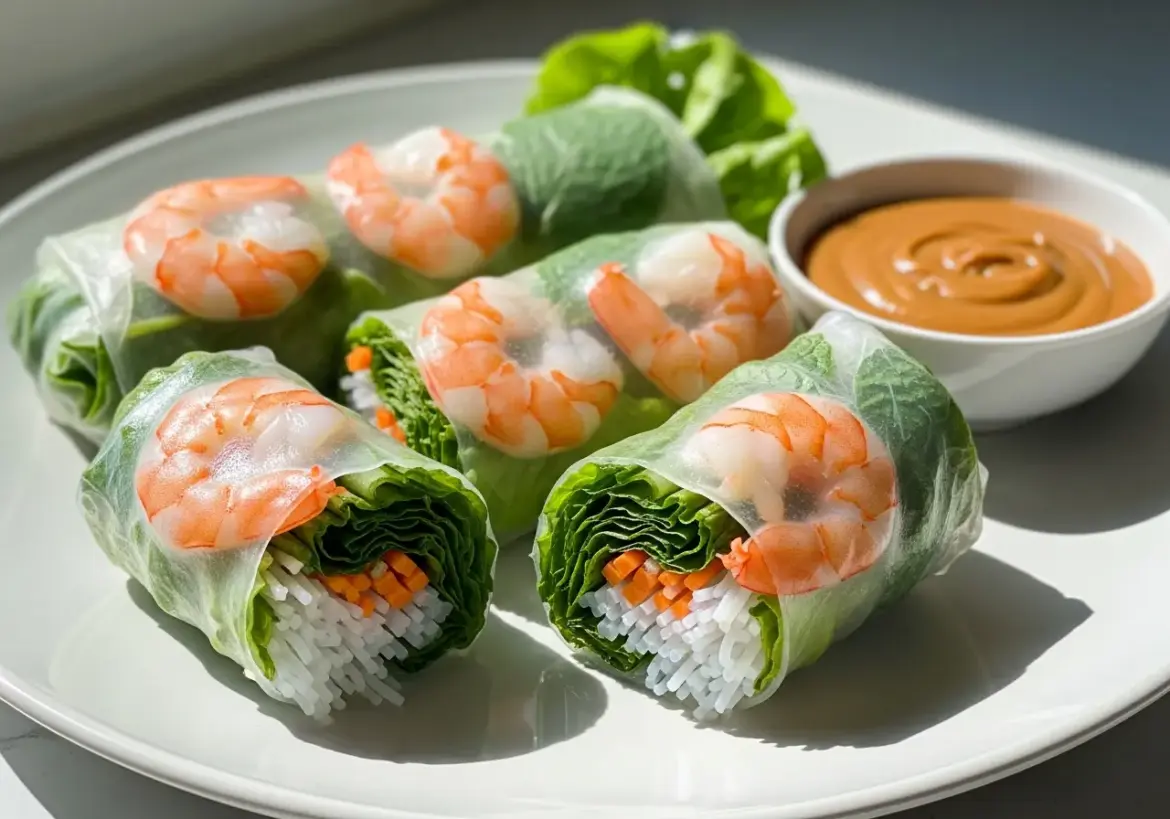
Vietnamese cooking is a study in balance and freshness — bright herbs, clean broths, the salty-funky depth of fish sauce, and the cooling crunch of raw vegetables against warm, savory mains. It is some of the lightest, most aromatic food in Asia, built on contrast rather than heaviness. This guide walks you through the ingredients, techniques and signature dishes that define it.
Essential Vietnamese ingredients
The Vietnamese pantry runs on fish sauce (nước mắm), rice (as noodles, paper and grains), and a generous bundle of fresh herbs — mint, cilantro, Thai basil and perilla. Add lime, chili, garlic, lemongrass and a little sugar and you can build almost any Vietnamese flavor.
Vietnamese recipes to start with
Roll up your sleeves with our tested Vietnamese recipes — each with step-by-step instructions, a printable recipe card and pro tips:
- Vietnamese Fresh Spring Rolls (Goi Cuon)
- Vietnamese Banh Mi Sandwich
- Authentic Pho Bo (Vietnamese Beef Noodle Soup)
Vietnamese cooking techniques
- Balance over richness — season at the end with fish sauce, lime and sugar until it tastes alive.
- Herbs are ingredients, not garnish — pile them on.
- Low, patient simmers for clear, deep broths like pho.
Frequently asked questions
Is Vietnamese food spicy?
Generally mild — heat is added at the table with fresh chili or chili sauce, so you control it.
What is the most famous Vietnamese dish?
Pho (beef noodle soup) and banh mi (the baguette sandwich) are the best known worldwide.
What makes Vietnamese cooking special
Vietnamese cuisine stands out globally for its remarkable balance, vibrant freshness, and aromatic complexity. At its heart is the philosophy of “ngũ vị” – the harmonious interplay of five fundamental tastes: spicy, sour, bitter, salty, and sweet, often present in a single dish or an entire meal. Unlike some other Asian cuisines that rely heavily on rich sauces or deep-frying, Vietnamese cooking emphasizes light preparation, minimal oil, and an abundance of fresh herbs, vegetables, and lean proteins. Fish sauce (nước mắm) serves as a foundational savory element, providing umami depth without heaviness, while a generous squeeze of lime, a sprinkle of chili, and a handful of crisp greens cut through any richness, creating a refreshing and invigorating dining experience. This delicate balance, coupled with influences from French culinary techniques and local ingredients, results in dishes that are both deeply flavorful and remarkably light.
Regional styles to know
- Northern Vietnamese Cuisine (e.g., Hanoi): Characterized by its more subtle, refined flavors and less sweetness. Dishes often feature clear broths and a focus on the natural taste of ingredients, with less reliance on chili or sugar. Phở Bắc (Northern Pho) is a prime example, known for its savory, aromatic broth that’s less sweet than its southern counterpart.
- Central Vietnamese Cuisine (e.g., Hue): Reflects its imperial past with more elaborate, visually stunning, and often spicier dishes. This region is famous for its intricate preparations and a bolder use of chili and fermented shrimp paste. Bún Bò Huế, a spicy beef noodle soup, perfectly encapsulates the central region’s love for heat and complex flavors.
- Southern Vietnamese Cuisine (e.g., Ho Chi Minh City/Saigon): Influenced by its fertile lands and proximity to Cambodia and Thailand, southern dishes tend to be sweeter, spicier, and more aromatic, with a generous use of coconut milk, sugar, and an expansive array of fresh herbs. Bánh Xèo (sizzling savory crepes) served with a vast platter of accompanying fresh greens and herbs is a quintessential southern dish.
Tips for cooking Vietnamese food at home
- Master Your Mise en Place: Many Vietnamese dishes, especially stir-fries and fresh rolls, come together quickly. Have all your ingredients chopped, measured, and ready to go before you start cooking to ensure a smooth and successful process.
- Don’t Skimp on Fresh Herbs: Herbs like mint, cilantro, basil, perilla, and saw-leaf coriander are not just garnishes; they are integral components of the flavor profile and texture. Buy a variety and use them generously.
- Perfect Your Nước Chấm: The classic Vietnamese dipping sauce (nước chấm) is the backbone of countless meals. Learn to balance the sweet, sour, salty, and spicy elements to your personal taste. A good basic recipe includes fish sauce, lime juice, sugar, water, and minced garlic and chili.
- Invest in a Good Wok or Large Skillet: For stir-fries, quick searing, and deep-frying, a wok or a large, sturdy skillet with high sides is incredibly versatile and will make many recipes much easier to execute.
- Embrace the Balance of Flavors: Continuously taste and adjust your dishes, aiming for that signature Vietnamese harmony. Don’t be afraid to add a little more lime for brightness, a touch more sugar for sweetness, or a dash of fish sauce for umami until it sings.
More frequently asked questions
What’s the best way to store fresh Vietnamese herbs?
To keep fresh Vietnamese herbs like mint, basil, and cilantro vibrant for longer, treat them like a bouquet of flowers. Trim the bottoms of the stems, place them upright in a glass with about an inch of water, and then loosely cover the entire glass and herbs with a plastic bag. Store this in the refrigerator. This method helps maintain their moisture and crispness, often keeping them fresh for up to a week or more.
Can I make Vietnamese food vegetarian or vegan?
Absolutely! Many Vietnamese dishes are naturally plant-forward or can be easily adapted. For instance, replace fish sauce with a high-quality vegetarian “fish” sauce made from fermented pineapple or mushrooms, or use soy sauce with a touch of seaweed for umami. Tofu, tempeh, mushrooms (especially shiitake and oyster), and various vegetables can substitute for meat. For broths, use a rich vegetable stock instead of meat-based ones. Dishes like fresh spring rolls (gỏi cuốn), many salads (gỏi), and stir-fries are particularly easy to veganize.
What are some common Vietnamese ingredients I should always have on hand?
Beyond the fresh herbs, a well-stocked Vietnamese pantry should include good quality fish sauce (nước mắm), rice noodles (bún, phở, hủ tiếu), rice paper wrappers (bánh tráng), jasmine rice, limes, fresh chilies (like bird’s eye), garlic, shallots, and ginger. For more specific dishes, consider having star anise, cinnamon sticks, palm sugar, and coconut milk. These staples form the foundation for a wide array of authentic Vietnamese flavors.